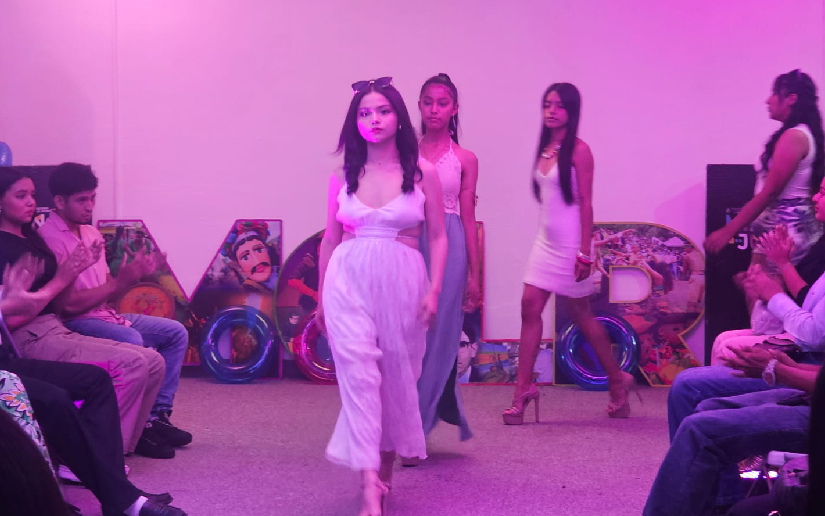
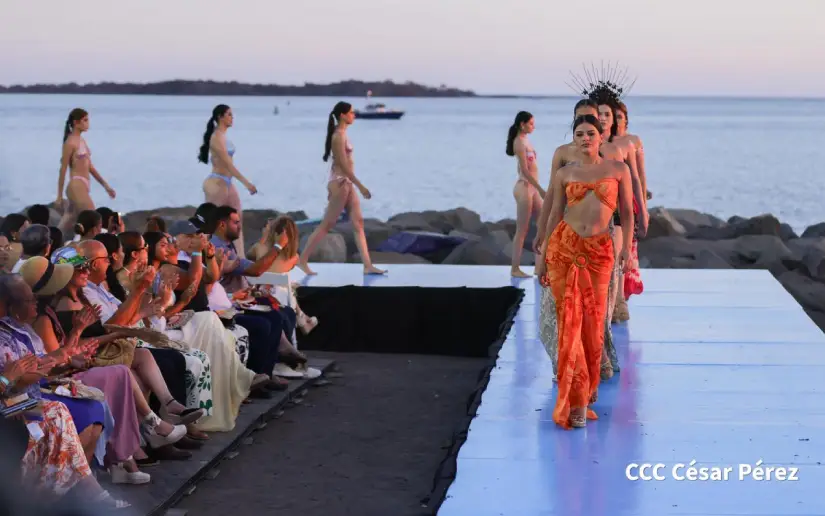
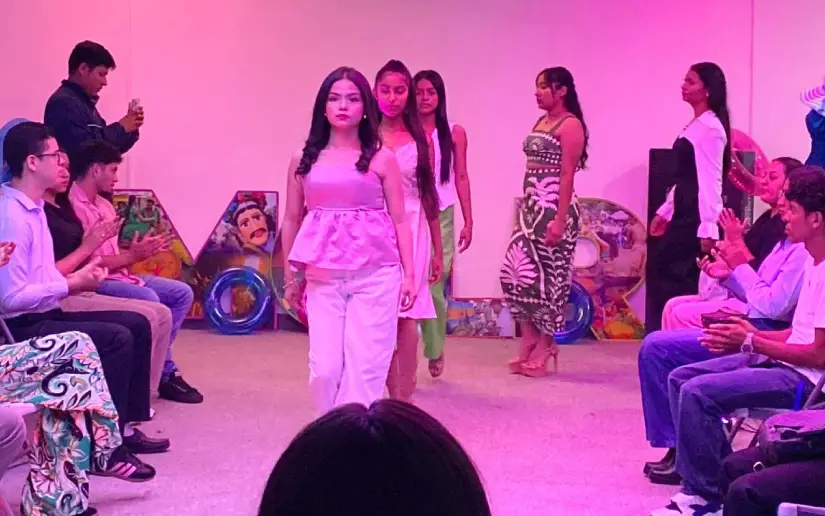
A summer fashion show was held at the Camilo Zapata House of Culture and Creativity in Managua, featuring young Nicaraguan designers and models presenting relaxed, warm-weather garments and accessories, including casual wear and swimwear. Government-aligned reports agree that the event, framed as part of a "Creative Summer 2026" program, involved around fifteen young entrepreneurs who had taken a modeling course, and was organized by the Ministry of Youth in coordination with the Leonel Rugama Cultural Movement, with music, dance, and a festive ambiance welcoming the summer season.
Coverage also consistently situates the show within a broader state-backed ecosystem of cultural and fashion initiatives, linking the Camilo Zapata event to other runways like the Summer 2026 showcase in Corinto organized with Nicaragua Diseña and Chinandega Moda. Both sides, when they cover it, acknowledge that these events are positioned as opportunities for youth training, entrepreneurship, and creative expression, tied to public cultural infrastructure such as houses of culture, beachfront venues, and fashion programs that highlight emerging talent from various regions of Nicaragua.
Areas of disagreement
Purpose and framing. Government-aligned outlets portray the Camilo Zapata fashion show as a celebratory, apolitical initiative that empowers youth entrepreneurship, stressing training opportunities and the festive, community-building nature of the event. Opposition-aligned sources, when they reference similar government cultural activities, tend to frame them as image-management exercises designed to project normality and progress amid broader governance and human rights concerns. Government media emphasize opportunity, creativity, and gratitude toward state institutions, while opposition narratives are more likely to question whether such staging diverts attention from structural problems affecting young people.
Role of the state. In government-aligned coverage, the Ministry of Youth, the Leonel Rugama Cultural Movement, and associated platforms like Nicaragua Diseña are celebrated as key enablers of fashion and design, presented as proof that the Sandinista government invests in cultural infrastructure and supports small creative businesses. Opposition sources generally describe the same institutions as politicized or partisan arms of the ruling party, suggesting that access to these spaces can be conditioned on loyalty and that independent cultural initiatives outside this network receive far less support. Thus, state presence is seen as benevolent and developmental by government-aligned media, but as controlling and exclusionary by opposition outlets.
Socioeconomic impact. Government-aligned reports highlight the economic potential generated by the show, depicting young designers as entrepreneurs gaining market visibility, contacts, and future clients through state-organized platforms. Opposition-aligned coverage of comparable events tends to argue that while such showcases offer visibility, they do little to alter precarious labor conditions, limited access to capital, or migration pressures faced by Nicaraguan youth in creative industries. Government narratives underscore success stories and optimism, whereas opposition narratives stress that symbolic opportunities do not substitute for broader economic reforms.
Freedom and cultural space. Official media describe the Camilo Zapata House of Culture as an open, inclusive space where youth can safely express their creativity, model, and design without barriers. Opposition-aligned outlets, in contrast, usually contend that cultural spaces linked to the government operate within a climate of self-censorship, where explicitly critical or dissenting artistic expression is unwelcome, and that independent venues face pressure or restrictions. For government-aligned coverage, the show exemplifies cultural democratization, while opposition coverage suggests that the same space functions within a tightly managed cultural sphere.
In summary, opposition coverage tends to interpret the Camilo Zapata fashion show within a narrative of politicized cultural staging and limited structural impact, while government-aligned coverage tends to present it as concrete proof of inclusive youth empowerment, cultural vitality, and state-supported creative entrepreneurship.