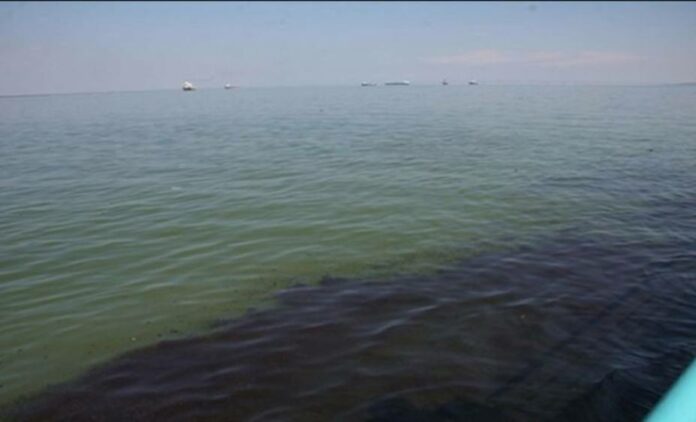
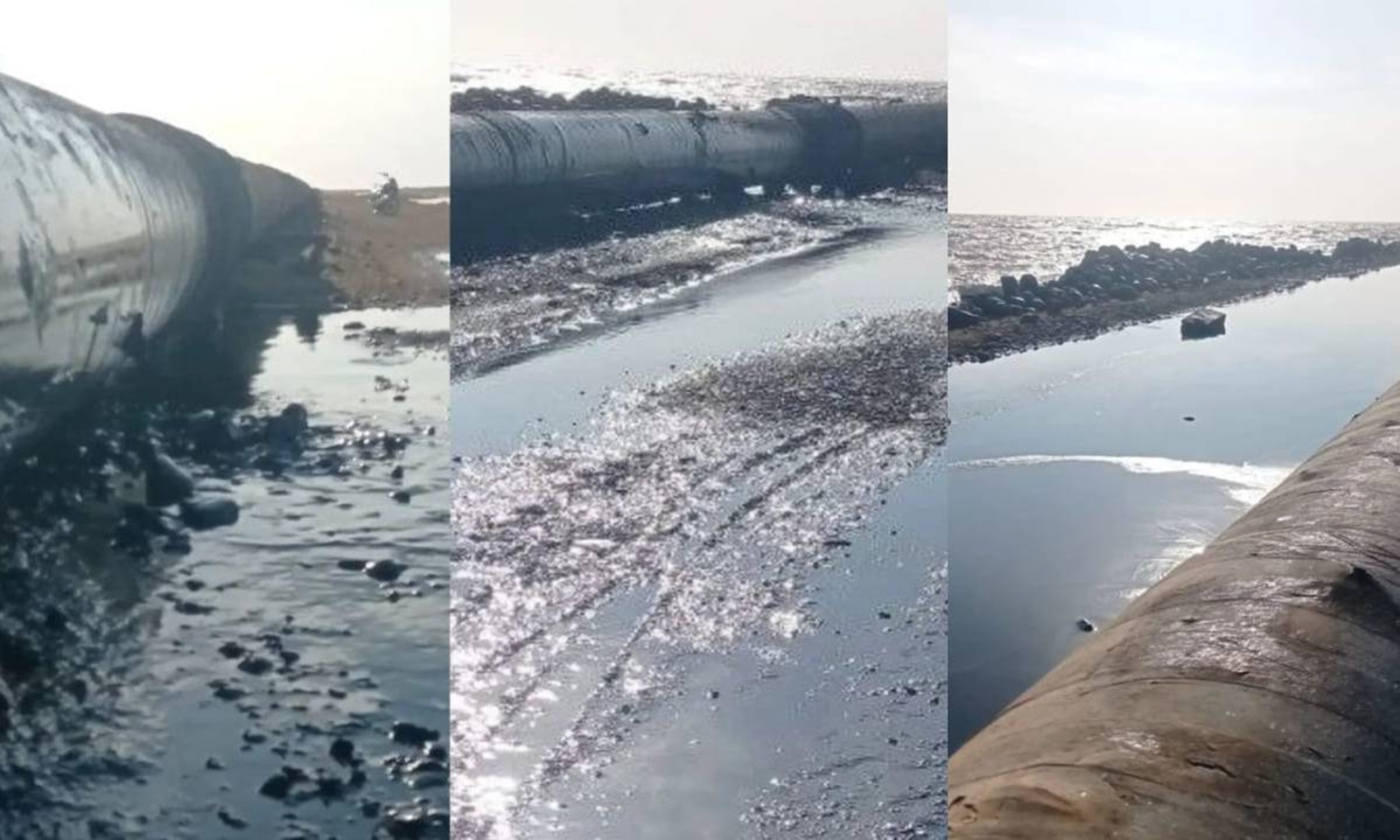
Two oil spills were reported near PDVSA’s Cardón refinery on Venezuela’s Paraguaná peninsula, with incidents linked to the LOL pipeline that feeds the Paraguaná Refining Complex and the nearby Gulf of Coro. Both opposition and government-aligned coverage agree that the spills began in early March, that crude reached coastal areas used by local fishing communities, and that PDVSA subsequently moved containment and clean-up teams to the area while halting pumping through the affected pipeline to limit further leakage.
Across outlets, the events are framed within the broader context of Venezuela’s aging and underfunded oil infrastructure and the chronic operational problems at PDVSA and the Paraguaná Refining Complex. There is shared acknowledgment that fishing activities and coastal communities in Falcón state have been affected, that fishermen have formally raised complaints with PDVSA and relevant state agencies, and that the incidents underscore the vulnerability of key energy infrastructure and the need for more robust maintenance, monitoring, and environmental safeguards.
Areas of disagreement
Responsibility and blame. Opposition-aligned sources typically emphasize PDVSA’s long-term mismanagement, alleging systemic negligence and corruption as the root causes of the pipeline failures, while government-aligned coverage tends to describe the spills as operational incidents within a constrained and sanctioned industry. Opposition stories highlight repeated past spills as evidence of chronic incompetence, whereas official or pro-government narratives focus on technical damage to specific assets without expanding blame to the broader political or managerial leadership.
Severity and impact. Opposition media generally portray the spills as severe, ongoing, and underreported, stressing the extent of contamination in the Gulf of Coro and the disruption to fishing and coastal livelihoods, while government-aligned outlets more often characterize the damage as moderate and being contained. Where opposition reports dwell on images and testimonies of extensive slicks and dead or threatened marine life, pro-government coverage underscores that containment barriers, clean-up brigades, and pumping suspensions are in place to prevent a larger environmental disaster.
Institutional response and accountability. Opposition coverage tends to underline delays, lack of formal communication, and the absence of compensation, citing fishermen who say their complaints to PDVSA and regulatory bodies have gone unanswered, while government-aligned pieces foreground PDVSA’s deployment of response teams and technical steps taken to address the leaks. Opposition outlets frame the fishermen’s demands for pipeline replacement and reparations as proof that institutions are unresponsive and opaque, whereas government-aligned reports either downplay these grievances or present them as part of an ongoing dialogue within a normal incident-management process.
Structural causes and reform. Opposition narratives typically link the spills to broader structural decay at PDVSA, pointing to underinvestment, loss of technical staff, and politicization as drivers of recurrent failures, while government-aligned media tend to attribute infrastructure stress to external constraints like sanctions and limited access to financing and technology. In the opposition view, the incidents reinforce calls for deep corporate and regulatory reform and independent oversight, whereas official-leaning outlets frame them as challenges to be resolved through incremental repairs and state-led modernization plans without questioning the current governance model.
In summary, opposition coverage tends to depict the Cardón-area spills as emblematic of systemic failure, high environmental risk, and institutional neglect demanding structural change, while government-aligned coverage tends to present them as contained technical incidents in a besieged but responsive state industry that is taking steps to manage and repair the damage.