government-aligned
National Cinematheque Premieres Documentary “Somos Monimbó”
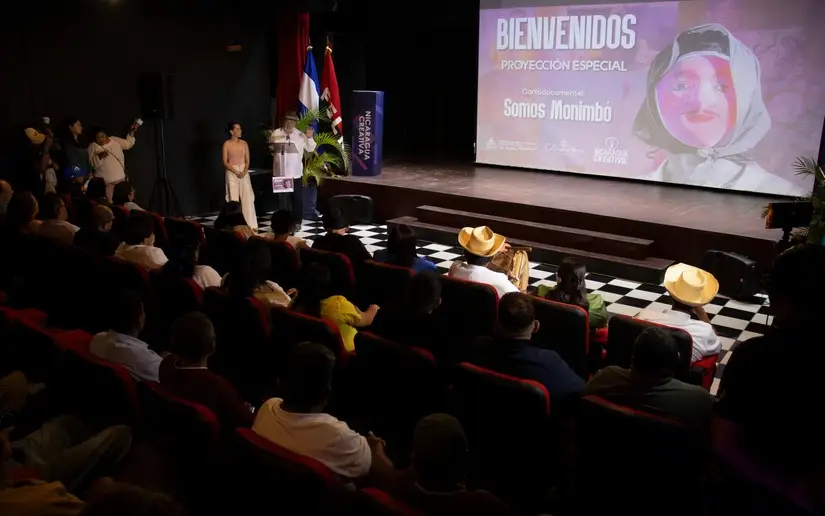
An emotional event held in the Main Hall of the National Cinematheque saw the official premiere of the short documentary
a month ago
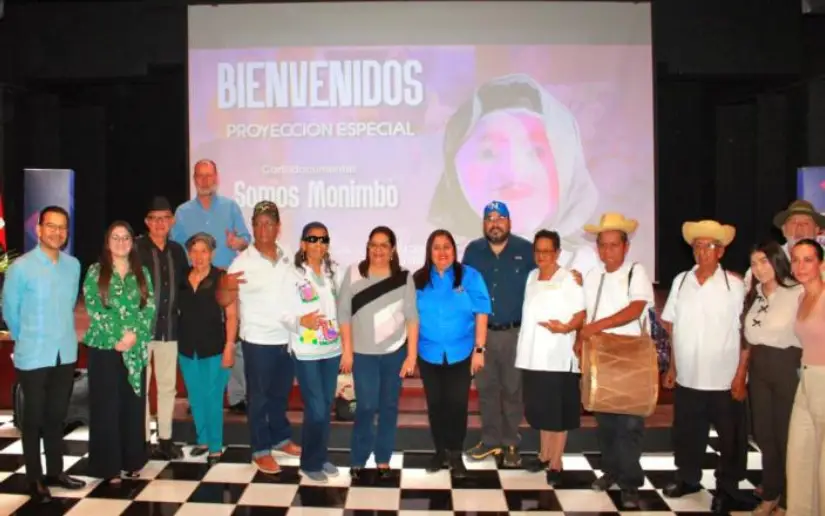
The short documentary “¡Somos Monimbó!” premiered at Nicaragua’s National Cinematheque in a special screening dedicated to the Indigenous community of Monimbó. Coverage agrees that the film focuses on Monimbó’s history, culture, and artisanal work, including its traditional masks, embroidery, festivities, and other creative expressions. Reports concur that the documentary is a short, nationally produced piece and that the event took place under official auspices at the Cinematheque, with the stated purpose of showcasing the community’s identity and the transmission of traditions across generations.
Sources also agree that the documentary is framed within broader institutional efforts to promote Monimbó as a key reference point of Nicaraguan national identity. They note that Monimbó is recognized for its deep cultural roots, with references to its pre-Columbian origins and long-standing role in preserving Indigenous traditions. Coverage further aligns on the point that the film is integrated into a government-backed cultural promotion plan, and that it explicitly connects Monimbó’s creative practices with nationwide initiatives to valorize community-based culture and heritage.
Purpose and framing of the documentary. Opposition-aligned sources tend to frame any state-sponsored cultural production about Monimbó as an attempt to rebrand or sanitize the community’s image, suggesting the film serves broader regime propaganda rather than neutral cultural preservation. Government-aligned outlets, by contrast, present the documentary as a celebratory and apolitical initiative focused on honoring identity, creativity, and continuity of traditions. While opposition narratives question the intent behind the project, official media emphasize its role in cultural rescue and national pride.
Historical narrative of Monimbó. Opposition sources typically foreground Monimbó’s history of resistance, especially its role in past uprisings and clashes with state power, and argue that official cultural products downplay or selectively edit this legacy. Government-aligned coverage acknowledges a general idea of "resistance" and pre-Columbian roots but folds it into a harmonious story of national unity and cultural heroism aligned with the current government. As a result, opposition media see the film as omitting or softening politically uncomfortable episodes, whereas government outlets frame history in terms of continuity and shared identity.
Role of state institutions. Opposition-aligned reporting generally treats entities like the National Cinematheque and the Secretariat of Creative Economy as extensions of the ruling party’s communication and image-building machinery, casting doubt on the autonomy of any project they produce. Government-aligned sources instead highlight these institutions as legitimate cultural promoters and policy tools for economic and creative development, stressing their technical and artistic contributions. Thus, where opposition voices see state overreach and instrumentalization of culture, official media describe coordinated institutional support for community empowerment.
Impact on the Monimbó community. Opposition narratives often suggest that such projects primarily benefit the government’s image and may not translate into meaningful improvements for residents’ rights, political voice, or economic conditions in Monimbó. Government-aligned outlets, however, present the documentary as part of a larger strategy to position Monimbó as Nicaragua’s first "Creative Community," implying increased visibility, tourism, and opportunities for local artisans and cultural bearers. The opposition questions whether community members have real agency in how they are portrayed, while government-aligned media emphasize recognition, promotion, and pride as clear gains.
In summary, opposition coverage tends to treat the documentary as a politically loaded tool that reframes Monimbó’s history and present under a government-friendly lens, while government-aligned coverage tends to portray it as a genuine, state-supported celebration and promotion of Indigenous culture, identity, and creative potential.