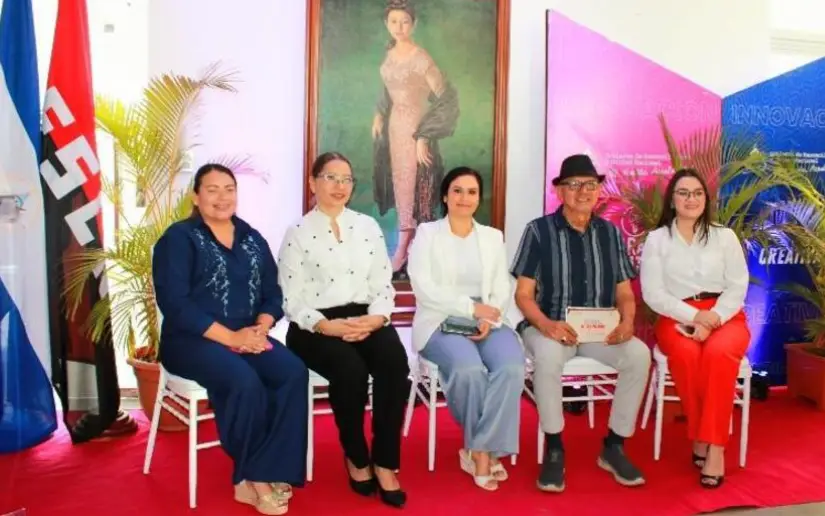
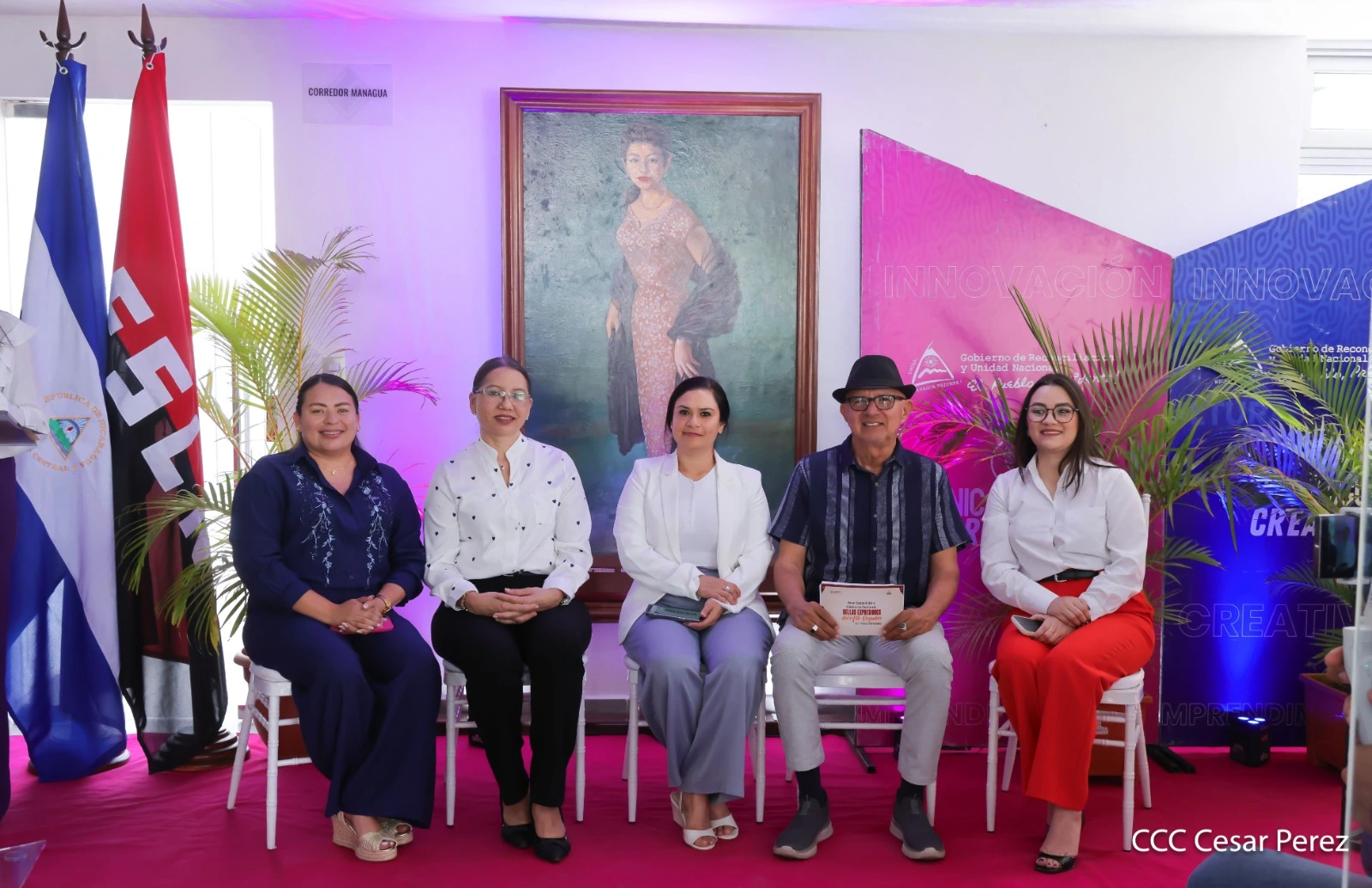
Nicaraguan media report the launch in Managua of a national exhibition and contest titled “Beautiful Expressions of Painted Plaster Folk Art” or “Beautiful Expressions of Popular Art in Painted Plaster,” aimed at promoting and reviving traditional painted plaster sculpture. Coverage agrees that the initiative is organized at the national level, coordinated through the National Commission of Creative, Innovative, and Entrepreneurial Economy and related cultural institutions, with registration open from March 24 to May 10 and a final exhibition scheduled for May 16 in Granada, where five prizes, including cash awards and certificates, will be granted. All sides describe the contest as open to artisans, especially young artists and families, and as focused on showcasing the distinctive plaster figures that decorated many Nicaraguan homes in past decades.
Across outlets, the contest is presented within the broader context of preserving and transmitting cultural heritage, with emphasis on painted plaster work that flourished roughly between the 1950s and the late 1980s or early 1990s. Reports concur that this art form is considered part of Nicaragua’s popular or folk traditions, and that the initiative is linked to ongoing governmental programs to support creative industries, artisan economies, and intergenerational transmission of cultural knowledge. The shared narrative frames the event as both a homage to older artisans and an educational opportunity to engage younger generations, tying the contest to long-standing efforts to conserve national identity and strengthen local cultural expressions.
Areas of disagreement
Political framing and intent. Government-aligned outlets frame the contest as a straightforward cultural and economic initiative that celebrates national identity and supports artisans, emphasizing continuity with broader policies to promote creative entrepreneurship. Opposition-aligned sources, when they note such cultural events, tend to portray them as part of a government publicity strategy, suggesting that they serve to project normality and national pride while diverting attention from political repression and economic hardship. Pro-government coverage highlights official speeches about heritage and creativity, whereas opposition coverage, where it appears, treats these same speeches as carefully staged messaging.
Socioeconomic impact. Government-aligned reporting stresses the potential economic benefits for artisans and young creators, presenting the contest as an avenue for income generation, professional recognition, and integration into the creative economy. Opposition-aligned media are more likely to question whether small contests with limited prizes can materially change artisans’ living conditions amid inflation, underemployment, and alleged clientelism in access to state programs. The former highlight prize money, certificates, and potential markets for participants, while the latter tend to contextualize these benefits as symbolic or limited relative to broader structural challenges.
Inclusiveness and access. Officially aligned outlets describe the contest as a national call open to all interested artisans, families, and youth, underscoring the geographic and social inclusiveness of the initiative and the role of state institutions in facilitating participation. Opposition-leaning commentary often raises doubts about how truly open such calls are, pointing to patterns in other programs where participation is said to skew toward government supporters, urban centers, or networks close to local authorities. While pro-government coverage portrays institutional coordination as a guarantee of broad access and support, opposition narratives tend to depict the same structures as potential gatekeepers that may limit or politicize access.
Cultural narrative and memory. Government-aligned sources frame painted plaster art as a unifying, apolitical heritage that links generations and evokes a nostalgic, shared past within Nicaraguan homes. Opposition voices, when addressing similar cultural references, may acknowledge this nostalgia but also situate it in a more complex memory landscape that includes migration, conflict, and changing social realities, sometimes arguing that official narratives selectively idealize the past. Thus, pro-government outlets emphasize harmony, continuity, and depoliticized tradition, whereas opposition-aligned perspectives are more inclined to read cultural heritage initiatives as embedded in contested historical and political memories.
In summary, opposition coverage tends to treat the contest as a modest, potentially politicized cultural showcase embedded in a context of repression and socioeconomic strain, while government-aligned coverage tends to present it as an inclusive, largely apolitical effort to honor heritage, stimulate creativity, and strengthen the artisan economy.