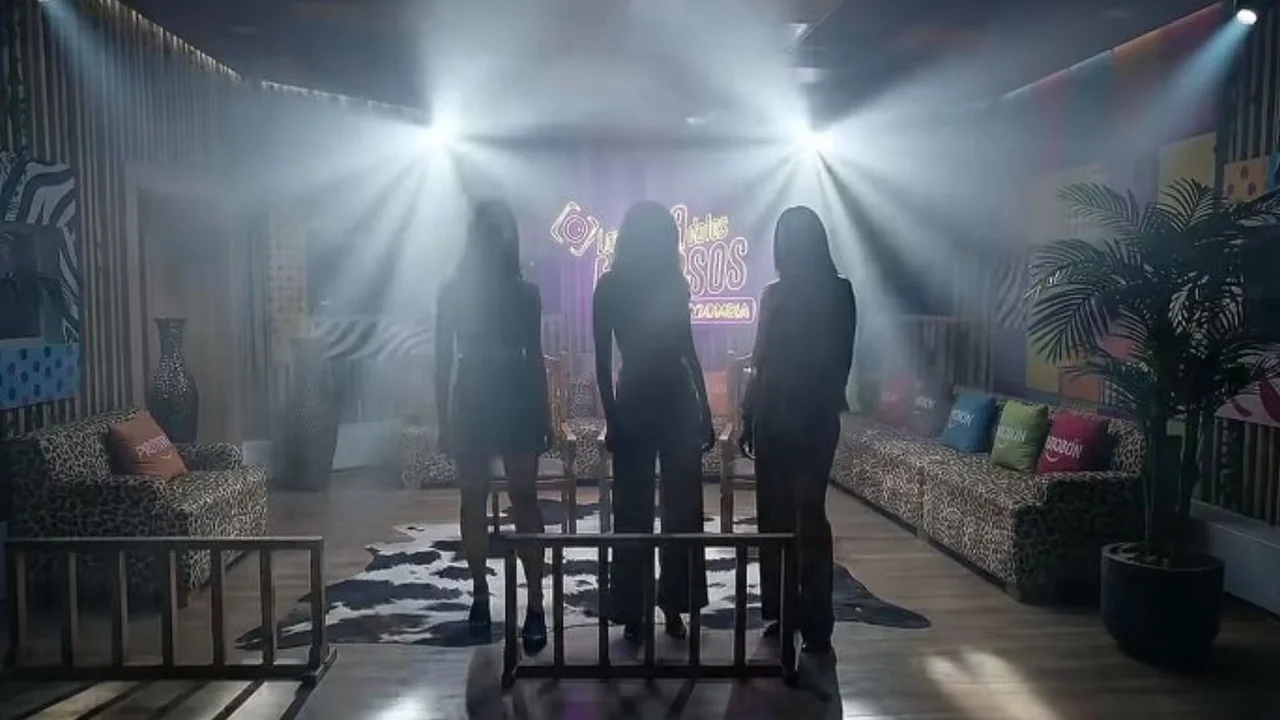
Three former contestants, Luisa Cortina, Marilyn Patiño, and Beba de la Cruz, have returned to La Casa de los Famosos Colombia in a special twist covered similarly across most outlets. Government‑aligned reports say they came back as guest participants, entering the house together and staying only until Friday, at which point current housemates will vote on which one may fully rejoin the competition. These sources agree that the production framed the move as a surprise or “resurrection,” that the three expressed nervousness about accidentally leaking outside information, and that some current players immediately wondered whether the twist might give the returnees or their allies an edge.
Broader context is also relatively consistent: all sides portray La Casa de los Famosos Colombia as a high‑profile reality show where format twists are central to maintaining ratings and social‑media buzz, and where producers periodically reinsert former contestants to shake up alliances. Coverage converges on the idea that such returns are part of a broader trend in reality TV franchising, in which audience engagement is fueled by nostalgia for eliminated figures and by speculation about shifting relationships inside the house. Media across the spectrum highlight how the returning trio’s previous storylines and conflicts could reshape existing dynamics, and note that the twist comes amid ongoing romantic plotlines and fan debates, indicating that the show’s structure is designed to maximize viewer discussion rather than adhere to a strictly linear elimination format.
Areas of disagreement
Legitimacy of the twist. Opposition‑aligned outlets tend to frame the re‑entry of Luisa Cortina, Marilyn Patiño, and Beba de la Cruz as a potentially manipulative twist that bends the rules to favor production interests or certain contestants, often hinting that it undermines fair play. Government‑aligned coverage instead stresses that bringing back ex‑participants is a known format resource in international versions of the franchise and presents it as a creative decision to keep the game dynamic and entertaining. While opposition narratives emphasize fan frustration and talk of a “radical” or disruptive move, government‑aligned sources normalize it as a planned, transparent mechanic within the show’s design.
Impact on fairness and contestants. Opposition reporting tends to echo or amplify housemates’ and viewers’ concerns that the three returnees might have indirect outside knowledge, social‑media feedback, or producer favor that could distort competition outcomes. Government‑aligned sources acknowledge those worries but quickly counter them by stressing that the trio is formally labeled as guests, with only one allowed back after a house vote, and that strict rules are in place to prevent disclosure of external information. The former emphasize the risk of psychological pressure and shifting alliances as evidence of unequal conditions, whereas the latter cast those same shifts as normal strategic turbulence inherent to the show.
Interpretation of motives. Opposition‑leaning outlets are more inclined to suggest that the timing of the twist responds to slipping audience interest or controversial plotlines, hinting that producers are intervening to rescue ratings or steer narratives. Government‑aligned coverage instead attributes the decision to long‑term planning and format experimentation, presenting it as part of an overarching content strategy rather than a reactive maneuver. In practice, the former highlight online criticism and suspicion about backstage calculations, while the latter foreground fan excitement and the promotional framing used by the channel and producers.
Framing of side storylines. Opposition sources, when referencing parallel developments like the growing closeness between Eidevin and Karola Alcendra, sometimes imply that romantic subplots are being opportunistically leveraged to distract from contentious format changes such as the ex‑players’ return. Government‑aligned outlets treat these relationships as organic story arcs that naturally intersect with the twist, presenting them as evidence that the house remains vibrant and unpredictable. Thus, opposition narratives see an orchestrated layering of drama to manage backlash, whereas government‑aligned ones emphasize entertainment value and audience engagement without suggesting ulterior motives.
In summary, opposition coverage tends to cast the return of the three ex‑contestants as a risky, potentially unfair intervention that serves producer interests and invites skepticism about motives, while government-aligned coverage tends to portray it as a legitimate, preplanned format twist that refreshes the game, deepens storylines, and keeps viewers engaged.