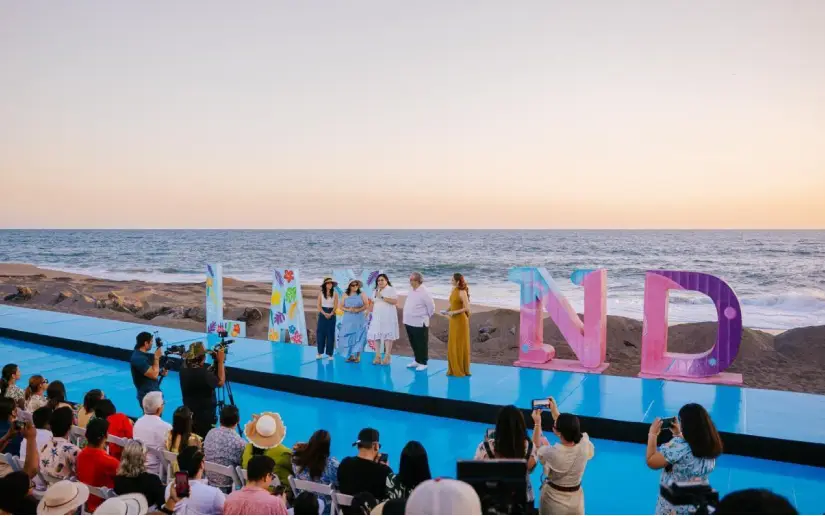
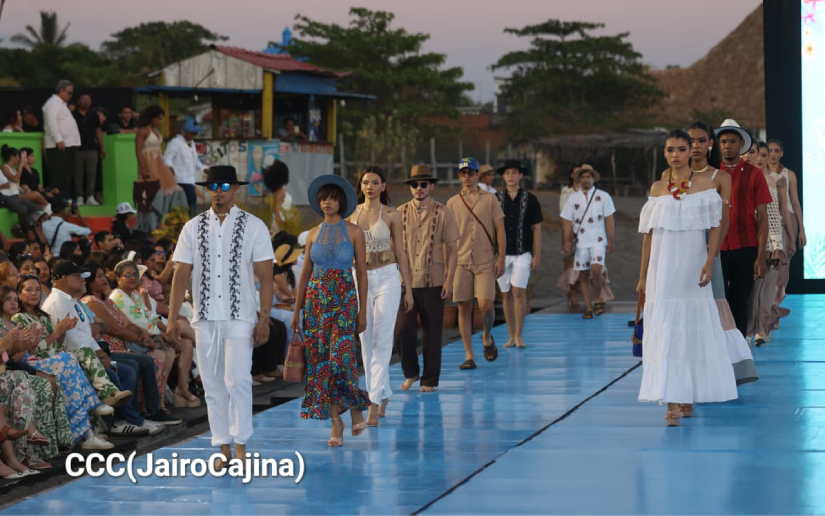
The Summer Fashion Show in León, Nicaragua, identified in government-aligned coverage as the fifth edition of the Pasarela Verano León 2026, took place on Las Peñitas beach on the Pacific coast of León. It was organized through a collaboration between Nicaragua Diseña and León Arte y Moda and brought together around nine national designers and approximately forty models, who presented collections inspired by the country’s summer essence, visual richness, and natural landscapes, particularly its coastal scenery.
Across descriptions, the event is framed as a platform for showcasing national fashion and creative talent and as part of a broader push to strengthen Nicaragua’s creative industries. The fashion show is also consistently tied to goals of boosting the local economy, promoting tourism in León’s coastal areas, and encouraging recreational, family-friendly activities, with emphasis on the integration of fashion, art, and nature in a single cultural offering.
Areas of disagreement
Purpose and framing. Government-aligned outlets portray the León Summer Fashion Show as a flagship cultural initiative that celebrates national identity, supports young designers, and expands Nicaragua’s creative economy, explicitly tying it to broader development plans and official slogans such as the so‑called Good Government initiatives. Hypothetically, opposition outlets would be more likely to downplay the cultural triumphalism and instead question whether such events primarily serve as political showcase projects designed to generate positive imagery for the ruling party rather than respond to deeper social or economic needs.
Economic impact and beneficiaries. Government-aligned coverage emphasizes the show as a concrete mechanism for dynamizing the local economy, boosting tourism, and opening professional opportunities for designers, models, and small businesses in León’s coastal communities. In contrast, opposition-aligned reporting would be expected to scrutinize who actually benefits, potentially arguing that gains are concentrated among a narrow circle of regime-linked brands and organizers while structural issues facing local workers, informal vendors, or nearby residents remain largely unaddressed.
Role of the state and institutions. In government-friendly narratives, institutions like Nicaragua Diseña are highlighted as effective vehicles of public policy that foster creativity, provide platforms for emerging talent, and demonstrate the state’s commitment to culture and healthy recreation. Opposition sources, by comparison, would likely frame these same institutions as extensions of the ruling party’s communication apparatus, suggesting that participation and promotion are conditioned by political loyalty and that independent or critical designers may be marginalized.
Broader national context. Government-aligned outlets situate the fashion show within a storyline of stability, progress, and the normalization of public leisure activities, implying that such high-profile cultural events reflect a country on an upward trajectory. Opposition outlets would be more inclined to stress the dissonance between glamorous beachfront shows and ongoing concerns about democratic backsliding, repression, or economic hardship, arguing that the event helps mask deeper crises rather than address them.
In summary, opposition coverage tends to reinterpret or question celebratory cultural narratives by foregrounding underlying political, economic, and social tensions, while government-aligned coverage tends to present the León Summer Fashion Show as clear evidence of cultural vitality, effective public policy, and shared national progress.