opposition
IN VIDEO
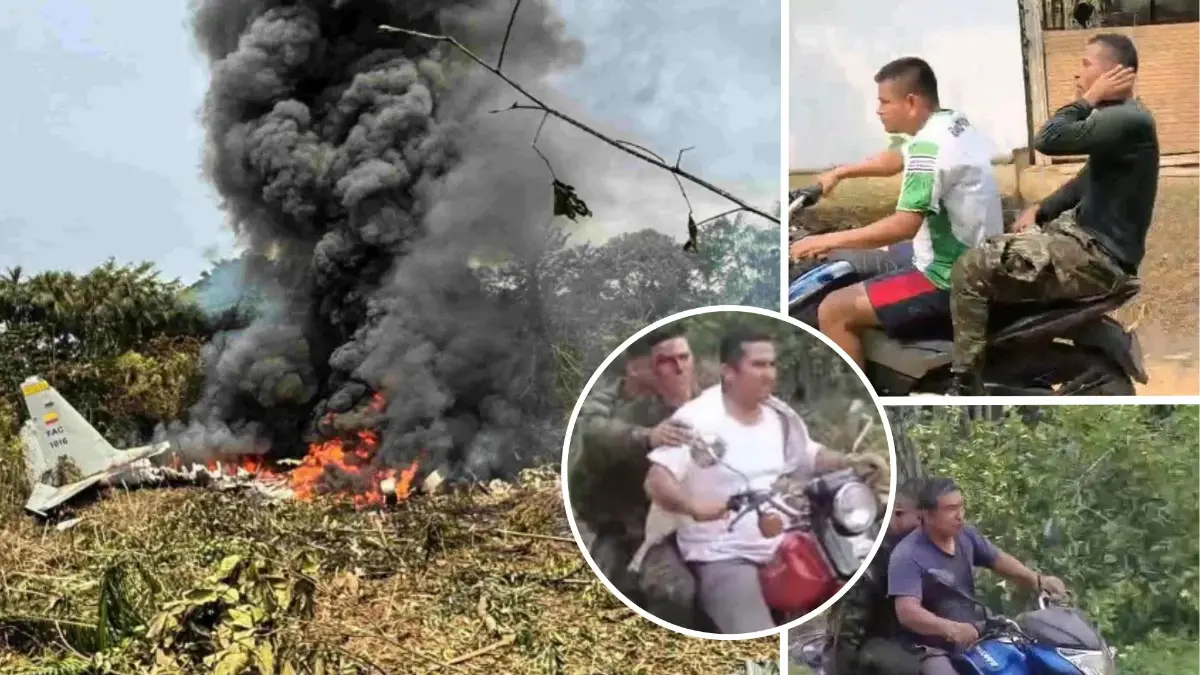
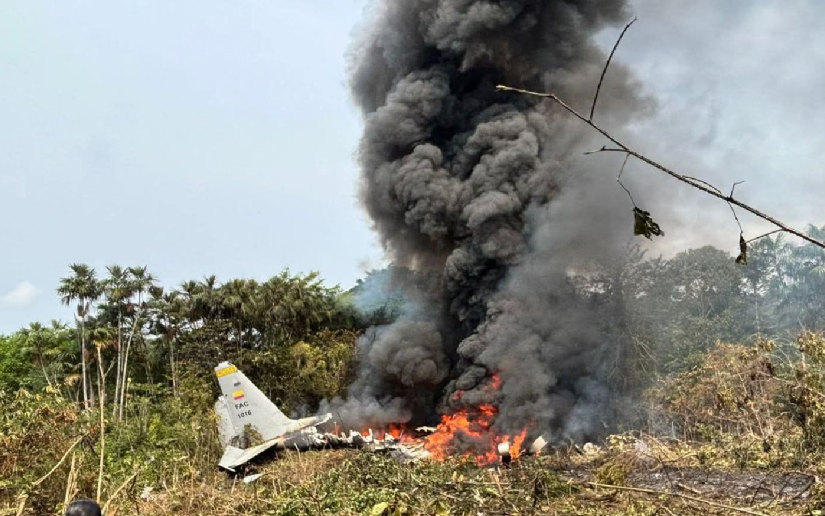
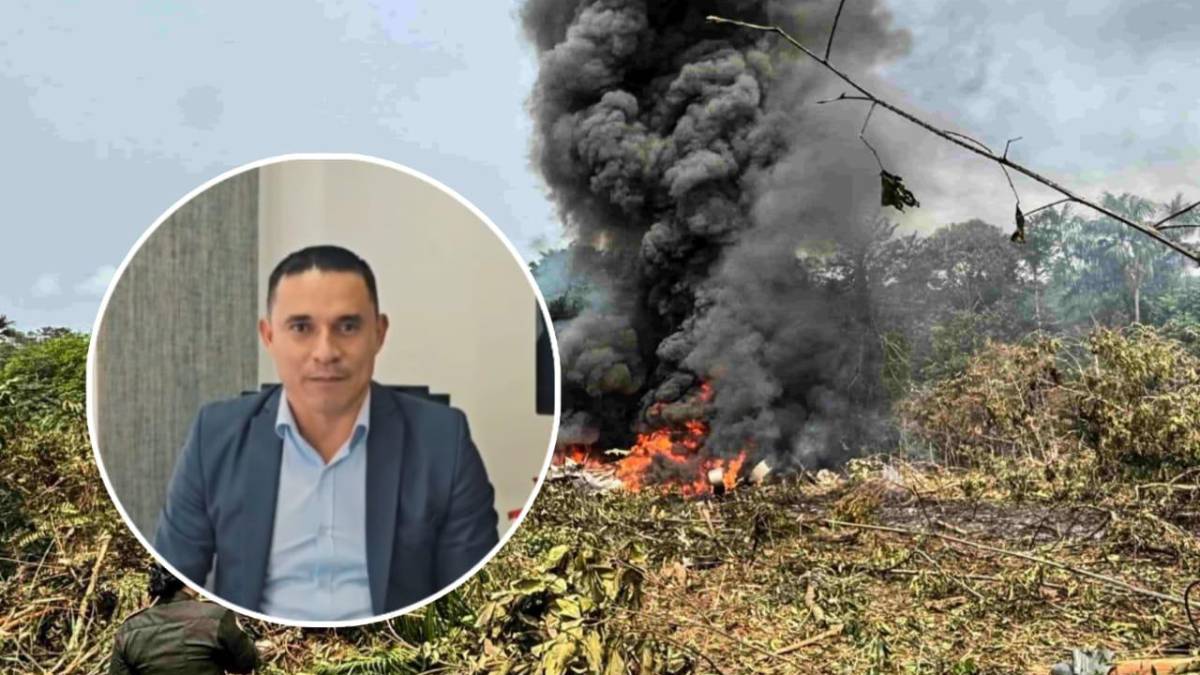
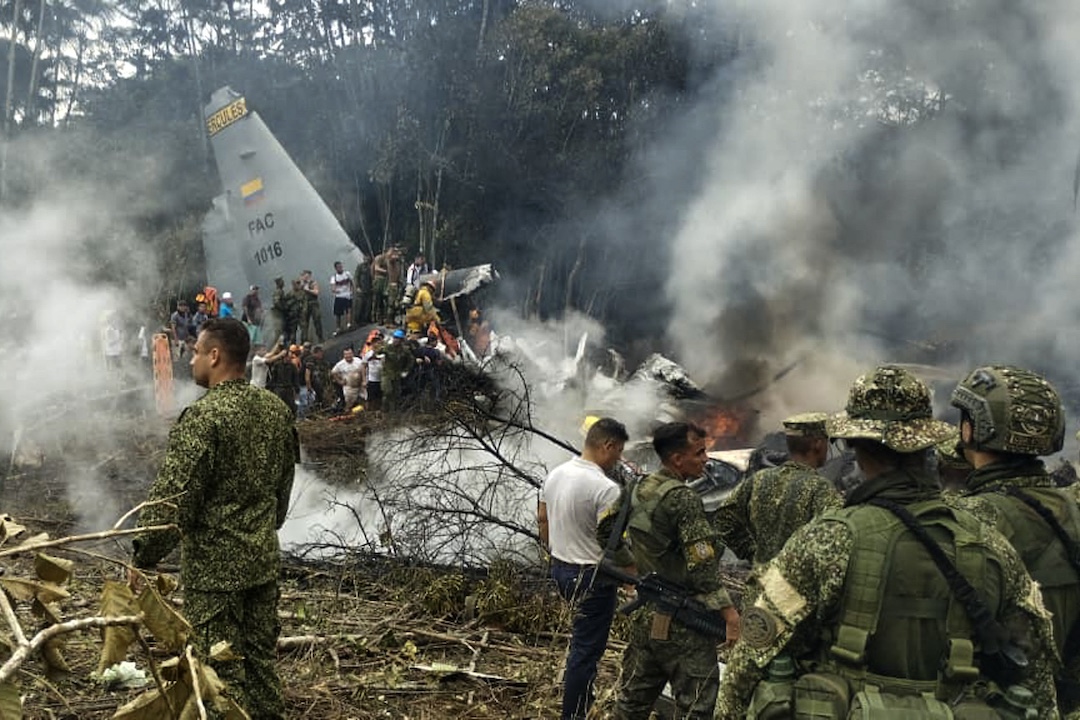
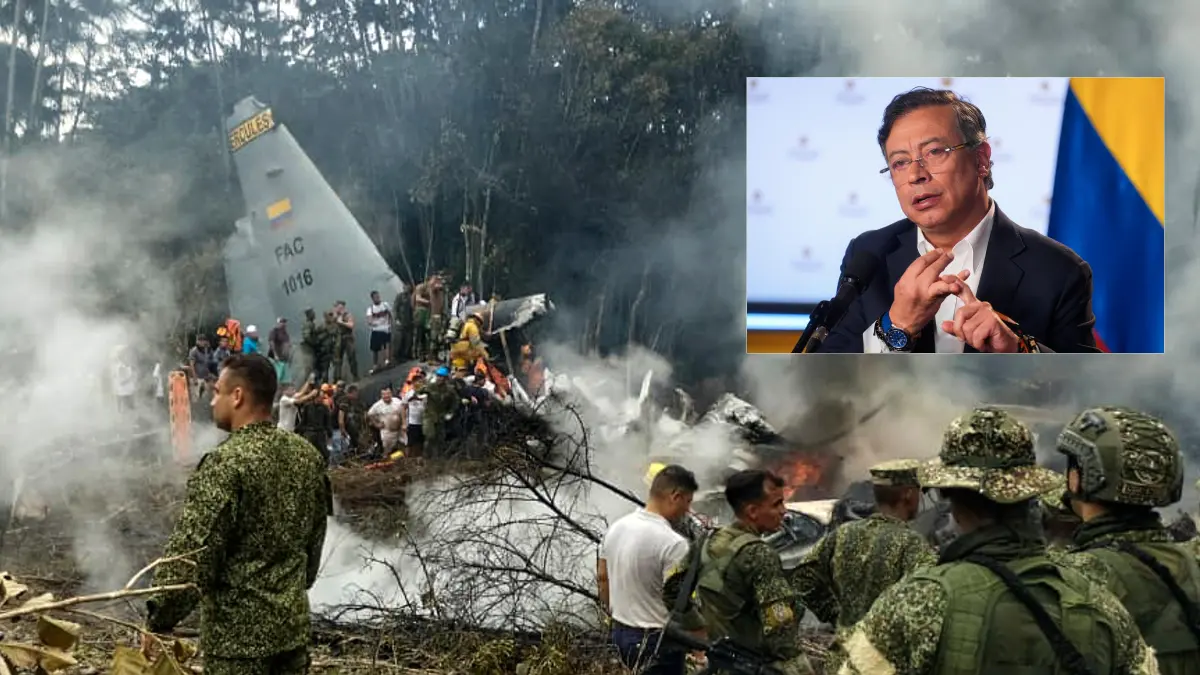
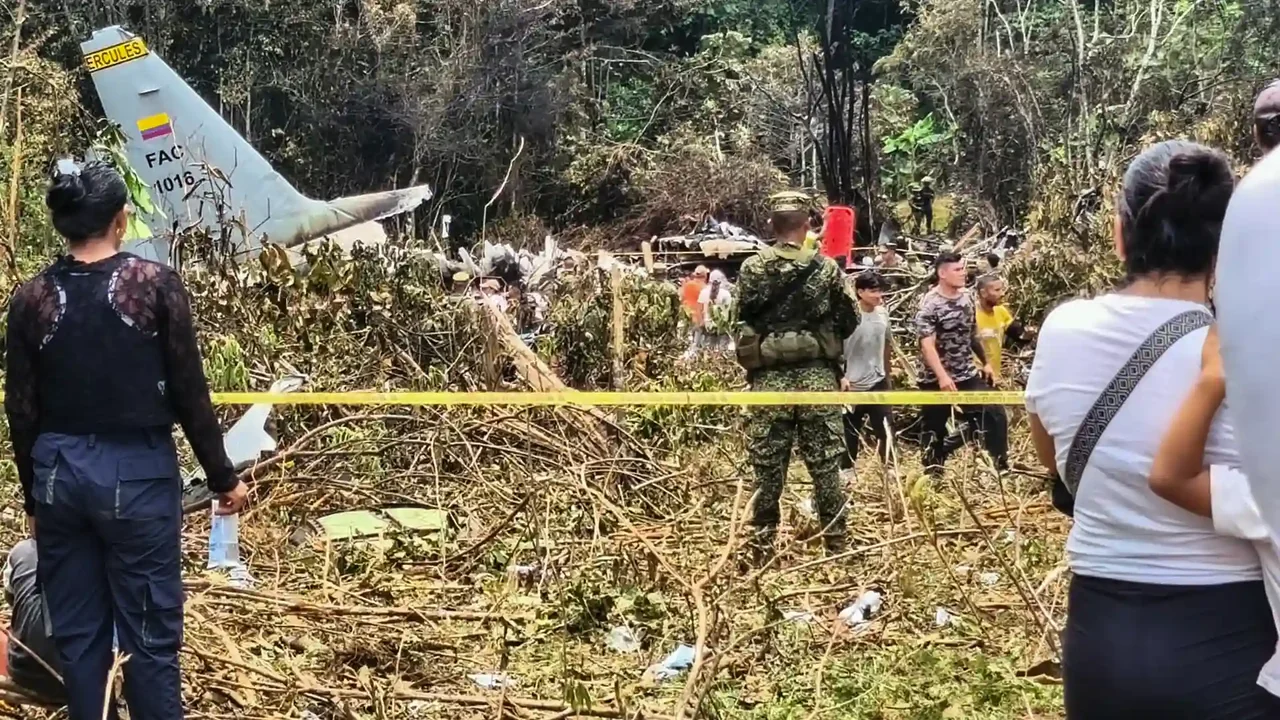
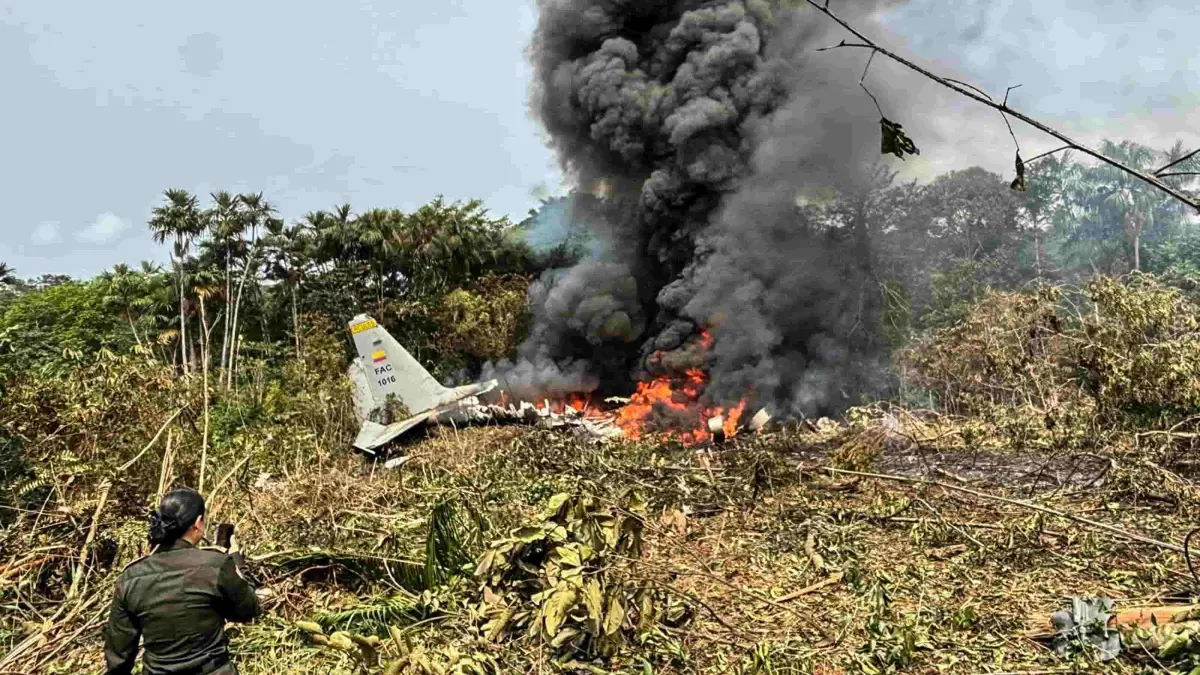
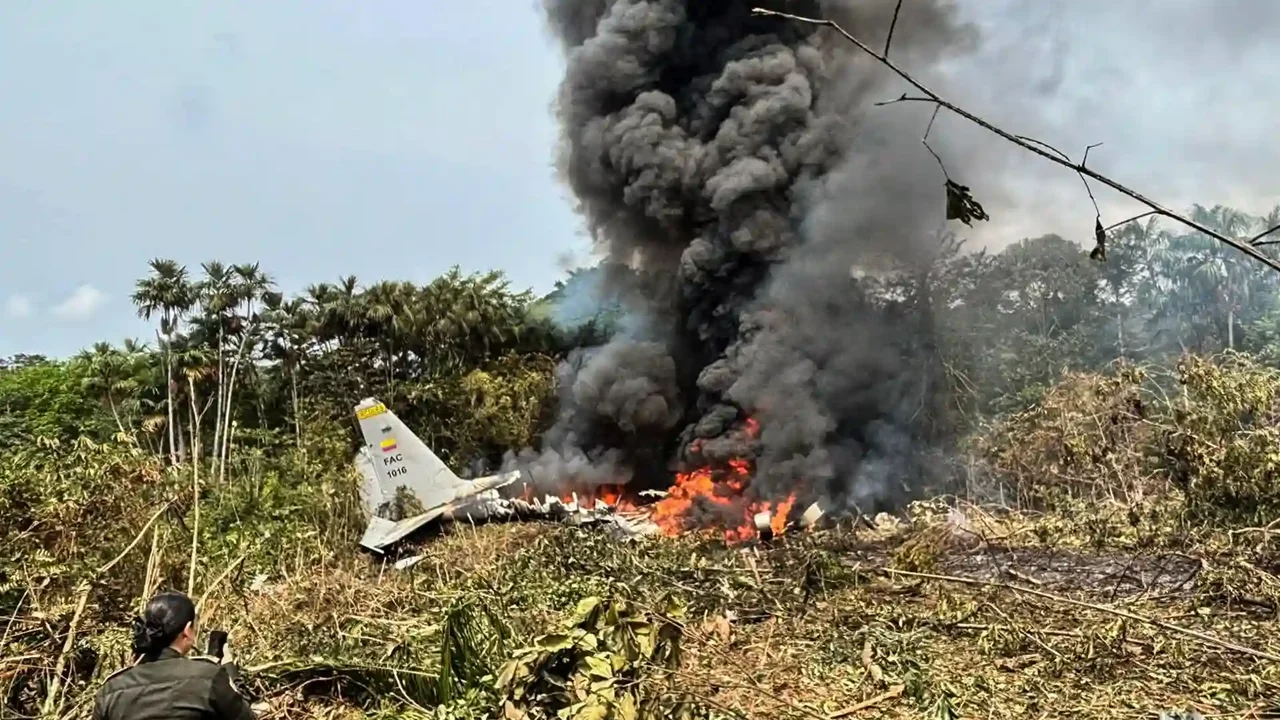
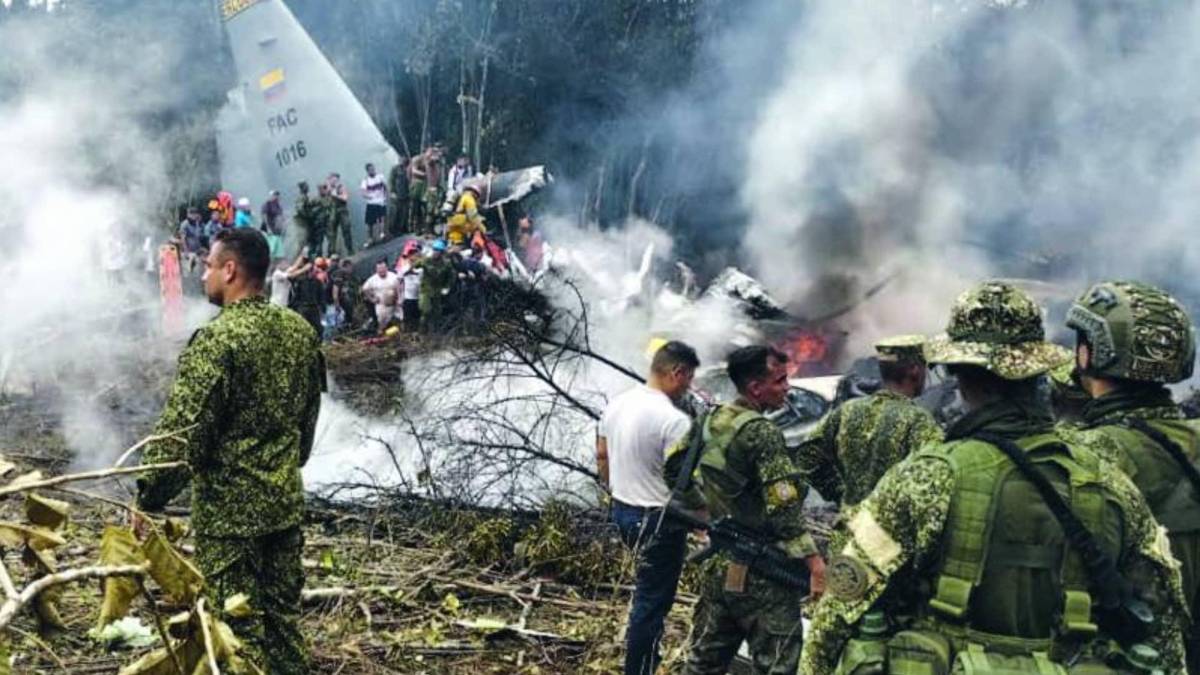
A Hercules plane of the Military Forces crashed on the morning of Monday, March 23, in Puerto Leguízamo, Putumayo, an area with limited access...
2 months ago
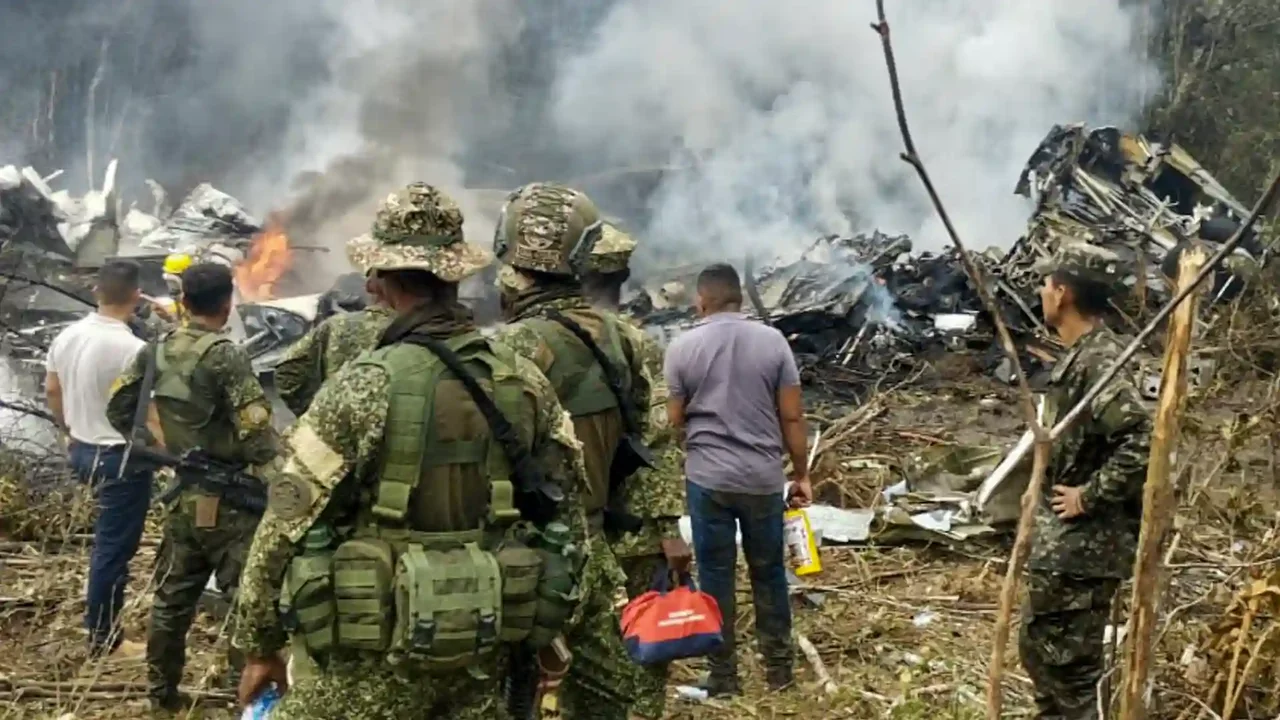
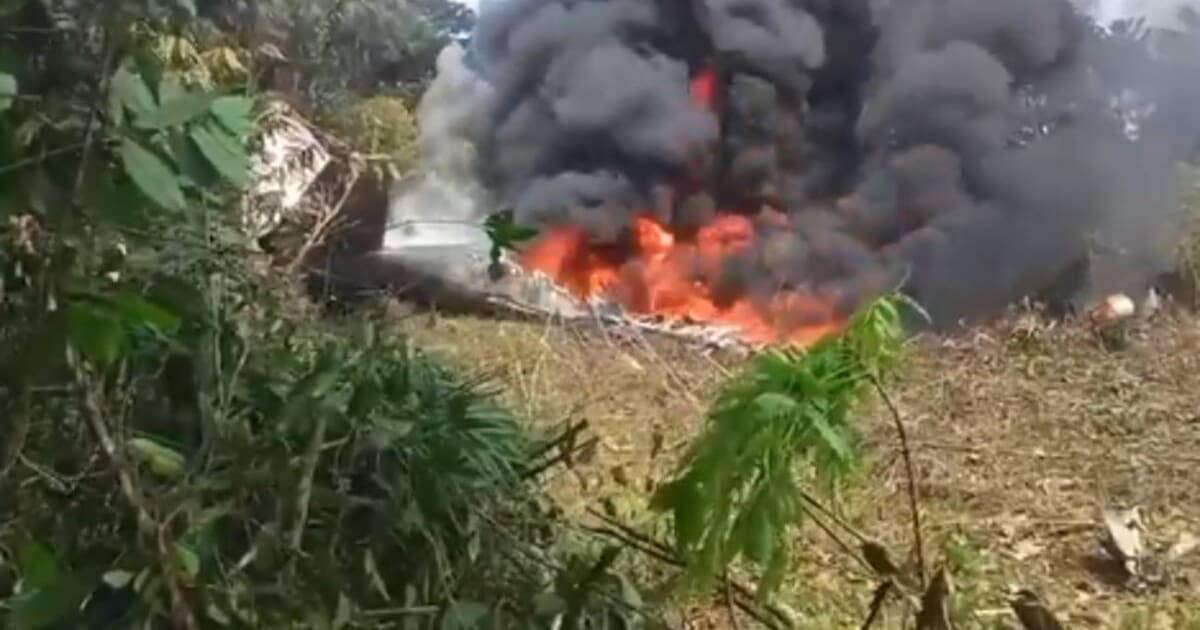
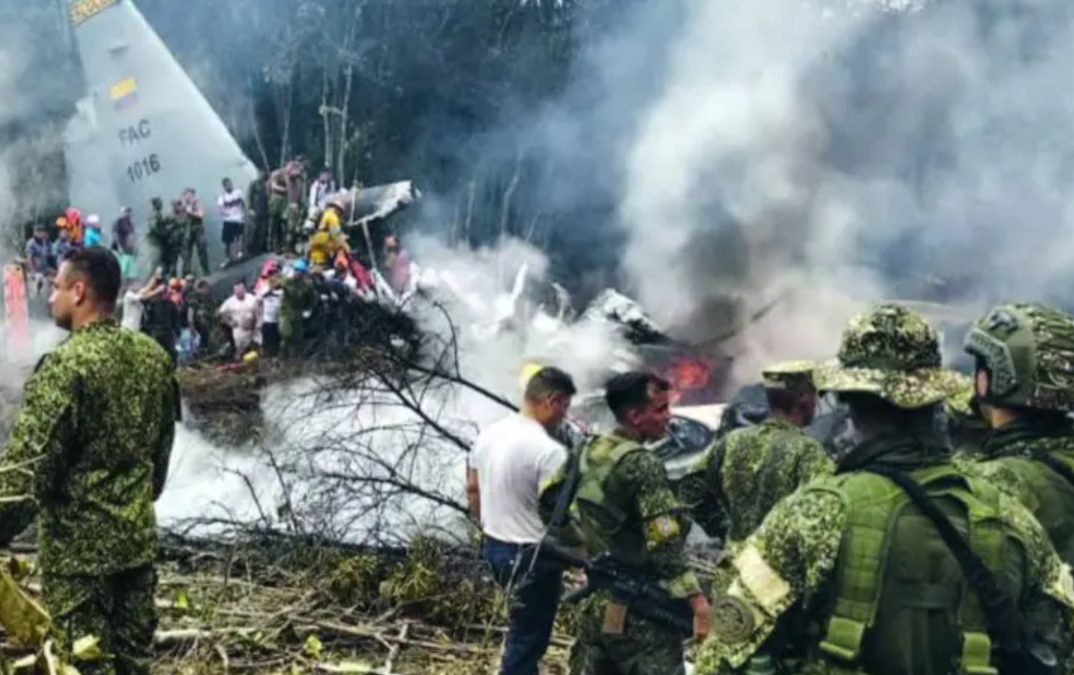
A Colombian Air Force C-130/Hercules military transport plane crashed shortly after takeoff from the Puerto Leguízamo airfield in Putumayo, southern Colombia, while carrying well over 100 members of the security forces, mainly Army soldiers along with Air Force crew and a small police contingent. Both opposition and government‑aligned outlets agree that the aircraft lost altitude soon after departure, exploded on impact in a difficult jungle area near the runway, and that initial official figures spoke of at least eight dead and more than 80 injured, many in serious condition, before later updates converged around roughly 69–70 fatalities and around 57 injured out of approximately 120–126 people on board. Coverage from both sides highlights that local residents — some arriving by motorcycle and improvising with buckets and hoses — were the first to reach the burning wreckage, helping rescue soldiers and extinguish flames while military and emergency teams mobilized. They also concur that an attack has been formally ruled out by authorities and that multiple institutions, including the Air Force, Army, Navy, Fiscalía and Policía, are involved in the response and investigation.
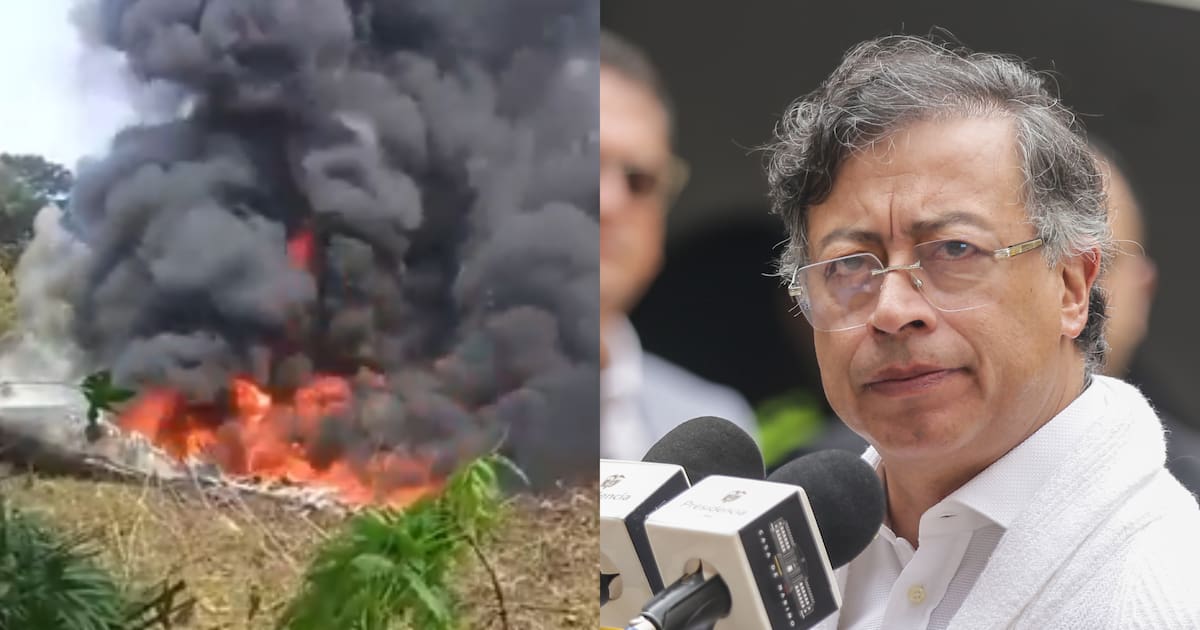
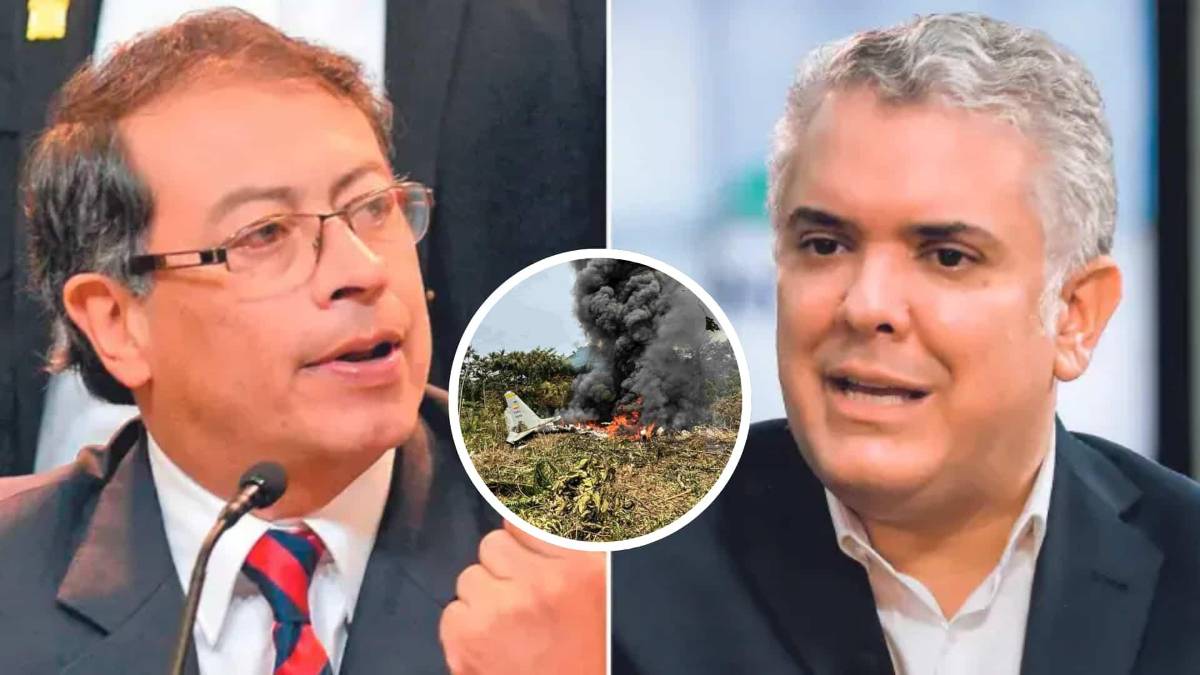
Across the spectrum, outlets situate the crash within the broader context of Colombia’s aging military air fleet and ongoing debates about modernization and safety. There is shared reporting that President Gustavo Petro publicly linked the tragedy to the need to renew or modernize equipment, convening urgent meetings on procurement and pointing to issues such as overloading risks, runway length constraints at Puerto Leguízamo, and the importance of rigorous inspections. Both opposition and government‑aligned sources mention that international governments, notably from Venezuela, Nicaragua, and Uruguay, sent condolences and expressions of solidarity, underscoring the regional resonance of the tragedy. They also agree that investigations are focusing on technical or operational causes — including possible mechanical failure and load/runway factors — within a formal process led by aviation and judicial authorities to clarify what went wrong and to inform any future reforms.
Victim numbers and emphasis. Opposition outlets often emphasize the highest reported tolls, stressing figures of 69–70 dead and more than 120 people aboard, and they highlight evolving and sometimes conflicting numbers as a sign of official disorganization. Government‑aligned media, while eventually citing similar fatality figures, initially foreground lower casualty counts and the ongoing nature of rescue operations, focusing on confirmed victims and injured rather than stressing uncertainty. Opposition narratives frame the scale of loss as a systemic failure of state planning and risk management, whereas government‑aligned coverage frames it as a national tragedy confronted with institutional discipline and compassion.
Responsibility and political accountability. Opposition coverage foregrounds questions about failed inspections, potential negligence, and under‑execution or mismanagement of the security and defense budget, explicitly pressing the Petro government to explain why such an aircraft was operating under these conditions. It highlights Petro’s online clashes with critics, his description of the plane as a “junk” gift, and his combative tone as evidence that he is politicizing the tragedy while deflecting blame. Government‑aligned outlets largely avoid direct criticism of current authorities, portraying state institutions as responsive and professional, and they do not frame the event as a budgetary or management scandal but rather as a technical accident under investigation.
Characterization of Petro’s response. Opposition media portray Petro’s reaction as polarizing and insensitive, focusing on his aggressive remarks against former officials and detractors and arguing that he failed to offer an appropriate message of condolence and unity in the immediate aftermath. They also cast his call for rapid military modernization as opportunistic, using the tragedy to attack predecessors and justify new procurement while responsibility for the accident remains unclear. Government‑aligned outlets instead stress Petro’s role in ordering investigations, convening meetings, and advocating fleet renewal, framing him as a leader seeking to protect troops and modernize the forces, and they largely omit or downplay his controversial language toward opponents.
Framing of institutions and community. Opposition‑leaning reports often juxtapose the professionalism of rank‑and‑file soldiers and the heroism of civilians with what they depict as political and bureaucratic failures at the top, using the accident to question oversight of contractors, maintenance regimes, and broader defense policy. Government‑aligned coverage also highlights the heroism of local residents and the grief of soldiers’ families but pairs it with laudatory portrayals of the Armed Forces and Navy, emphasizing institutional solidarity, swift deployment, and international support rather than structural criticism. Where opposition sources use these stories to argue for accountability and deep reform, government‑aligned outlets use them to reinforce a narrative of national unity around the military and the presidency.
In summary, opposition coverage tends to use the crash as a lens to scrutinize government competence, resource management, and Petro’s rhetoric, while government-aligned coverage tends to emphasize national mourning, institutional solidarity, and the president’s calls for modernization while minimizing direct political blame.