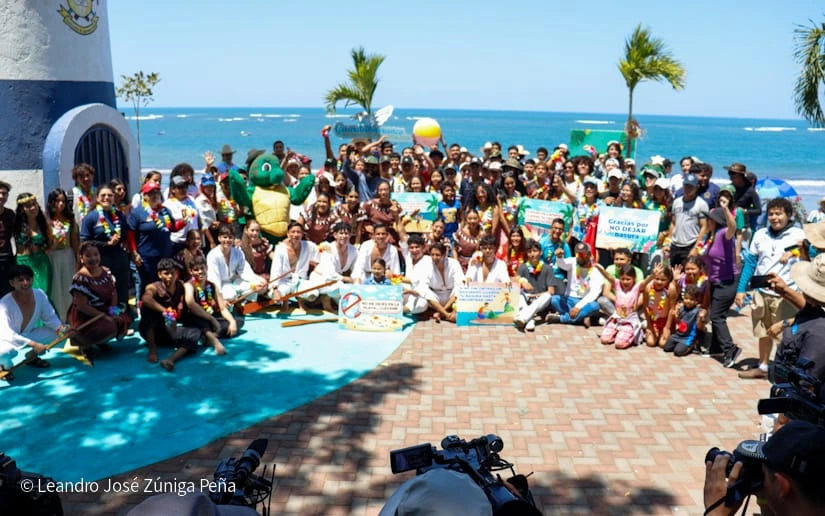
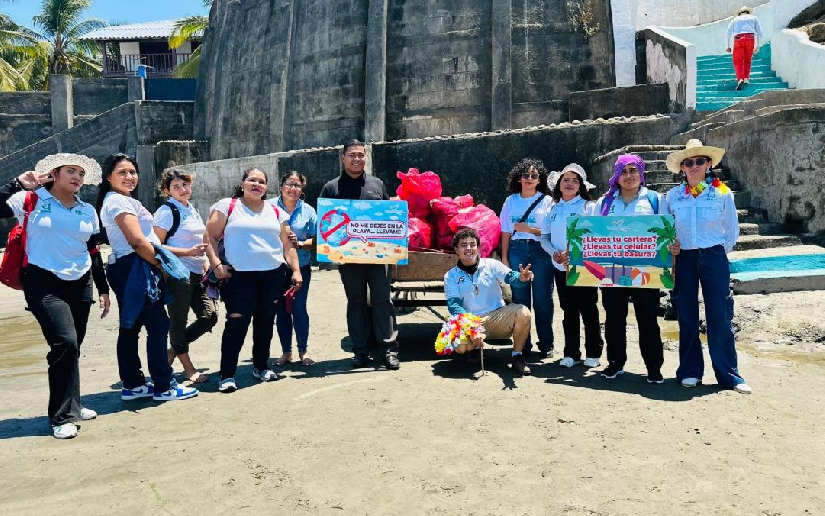
Government-aligned and opposition-aligned sources broadly agree that Nicaraguan authorities, through the Ministry of Environment and Natural Resources and allied youth organizations, have launched a seasonal national plan to clean coasts, rivers, lakes, and lagoons, with visible activities centered on tourist and recreational areas. They concur that the Guardabarranco Environmental Movement and Sandinista Youth are central operators of the initiative, that the launch was tied to World Water Day events around March 22 at locations such as Faro Masachapa, and that the plan will unfold through early April in the run‑up to the 2026 summer and Holy Week vacation period, emphasizing beach cleanups, environmental education, and family participation.
Coverage from both sides also acknowledges that the campaign includes more than simple trash collection, incorporating actions like outreach to businesses, protection of marine turtles and mangroves, installation of signage in protected areas, and contests or awareness‑raising visits in coastal communities. There is shared recognition that the stated purposes are to improve environmental health, reduce pollution in recreational waters, prevent some water‑related diseases, and support tourism by offering cleaner, safer spaces for Nicaraguan families and visitors.
Areas of disagreement
Significance of the initiative. Government-aligned outlets frame the plan as a major, proactive environmental milestone that showcases effective stewardship and the vitality of pro-government youth movements. Opposition-aligned sources, when they mention it, tend to cast it as a limited, symbolic, or seasonal publicity effort that does not meaningfully change the country’s broader environmental record. While official media stress scale and impact, opposition coverage downplays its structural importance and questions how transformative a few weeks of cleanups can be.
Motives and political framing. Government-aligned reporting presents the campaign as a selfless act of love for Nicaragua and its natural resources, driven by civic spirit and community values rather than politics. Opposition coverage typically interprets the same activities as part of a broader image-management strategy for the ruling party, highlighting the prominent branding of Sandinista Youth and Guardabarranco and suggesting that environmental action is being used to reinforce political loyalty. In official narratives the state appears as a caring guardian, while in opposition narratives it appears as a political actor seeking positive visuals.
Depth of environmental policy. Government-aligned sources emphasize concrete actions such as coastal cleanups, turtle protection, and mangrove care as evidence of a comprehensive environmental agenda in practice. Opposition-aligned media tend to argue that these actions remain superficial unless paired with stricter regulation of polluting industries, better wastewater management, and greater transparency about environmental indicators, which they say are largely absent. Thus, official coverage highlights visible community campaigns, whereas opposition coverage judges the effort against longer-term policy and enforcement gaps.
Public participation and inclusion. Government-aligned outlets highlight enthusiastic involvement of youth, families, and community groups, portraying the effort as broad-based and inclusive nationwide. Opposition-aligned coverage is more likely to question how spontaneous that participation really is, suggesting that state-linked organizations dominate and that critical or independent environmental groups are sidelined or underreported. Official narratives stress unity and mass participation, while opposition narratives stress selectivity and control over who gets to appear as an environmental actor.
In summary, opposition coverage tends to portray the cleanup plan as a politically instrumental, short-term and largely cosmetic effort that does not address deeper environmental governance problems, while government-aligned coverage tends to celebrate it as a large-scale, participatory and genuinely patriotic campaign that demonstrates the government’s commitment to caring for Nicaragua’s coasts, rivers, and lakes.