government-aligned
Yeferson Cossio made a touching decision amid his grief: this was it
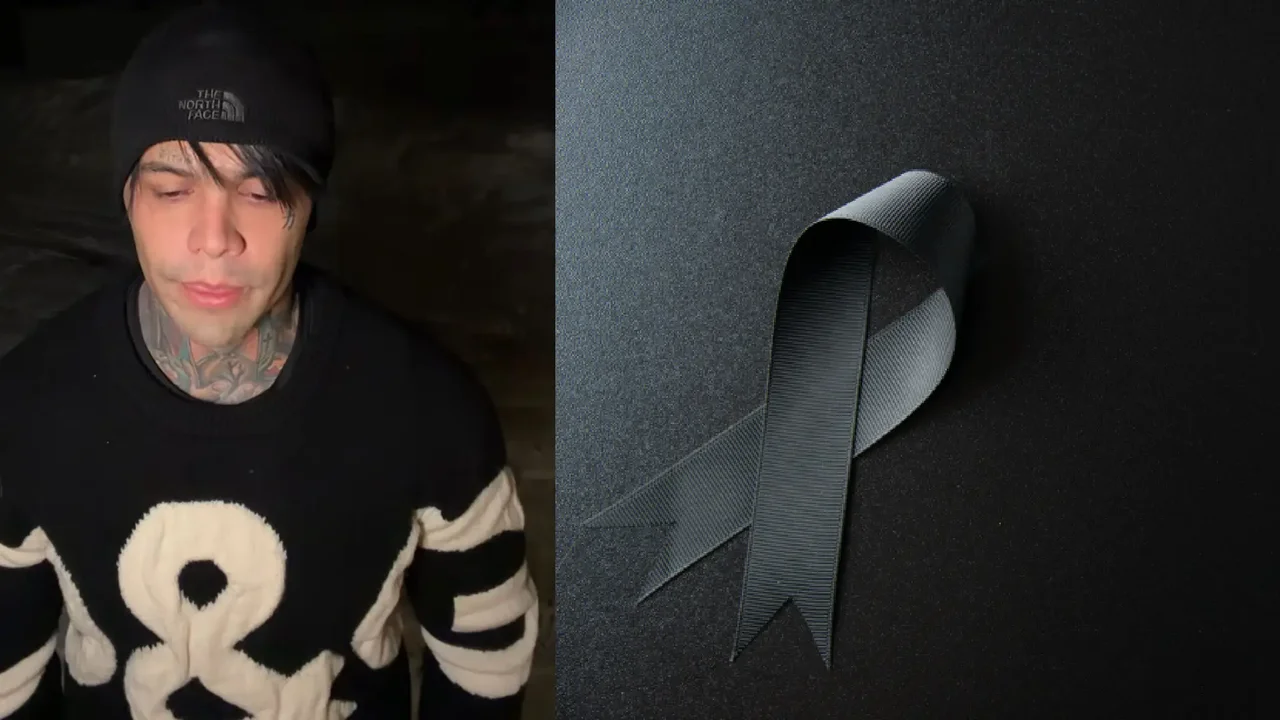
On the afternoon of Tuesday, March 17, Yeferson Cossio tearfully confirmed the death of Akira, the dog who was by his side for 13 years.
2 months ago
Influencer Yeferson Cossio publicly announced the death of his 13-year-old dog Akira, who had been diagnosed with advanced, metastatic stomach cancer that was detected late. Both opposition and government-aligned outlets agree that Akira’s illness progressed rapidly, that the animal’s condition worsened shortly before her death, and that Cossio communicated the news directly to his large online following. Coverage on both sides highlights his visible grief, his emotional messages on social networks, and the strong wave of condolences and supportive comments from fans.
Across the spectrum, outlets situate the event in the broader context of Cossio’s established image as a high-profile Colombian content creator whose personal life is closely followed by millions. Reports concur that Akira had been a long-time companion across much of his career, which makes the loss a highly symbolic moment for his audience and for parasocial bonds between influencers and followers. Both sides also acknowledge that in response to the emotional impact of the death, Cossio temporarily paused professional or public commitments, signaling a short-lived retreat from routine content production before indicating that he would soon resume his activities.
Framing of grief and priorities. Opposition-aligned sources tend to stress the episode as an example of influencer culture centering personal drama, sometimes questioning whether the level of media attention to a pet’s death is proportionate given broader national issues, while government-aligned outlets frame Cossio’s mourning as a humanizing story that reflects ordinary emotional bonds with animals. The former are more likely to present his decision to pause commitments as a sign of professional volatility or self-absorption, whereas the latter depict it as a reasonable, even admirable, choice to prioritize mental health. Opposition coverage may subtly contrast his emotional display with what they describe as a lack of similar visibility for structural social problems, while government-aligned pieces keep the focus narrowly on empathy and personal loss.
Narrative around influencer responsibility. Opposition outlets often use the case to reopen debates about the social role and responsibility of influencers, suggesting that such figures shape public discourse and values when they spotlight intimate events like a pet’s death, and hinting that this can distract from civic or political engagement. Government-aligned media, by contrast, present Cossio mainly as an entertainer whose sharing of grief helps normalize discussions about emotional vulnerability, treating the incident as largely apolitical. Where opposition coverage might question whether monetization and algorithmic amplification are at play when such stories go viral, government-aligned reports generally ignore commercialization angles and highlight audience solidarity instead.
Use of the story in broader agendas. Opposition-aligned reporting is more inclined to place Cossio’s announcement alongside other trending controversies to argue that public attention is being steered toward celebrity episodes rather than systemic governance issues, implicitly criticizing both media priorities and the political communication environment. Government-aligned outlets, meanwhile, fold the story into lighter human-interest segments, presenting it as a brief respite from hard news and avoiding any explicit connection to governmental performance or policy. As a result, the same facts about Akira’s death become, for opposition sources, part of a narrative about distraction and spectacle, while for government-aligned media they remain confined to lifestyle and entertainment coverage.
In summary, opposition coverage tends to treat Cossio’s announcement as a lens on influencer culture, media distraction, and questions about public priorities, while government-aligned coverage tends to present it as a straightforward human-interest account of personal grief and community empathy around the loss of a beloved pet.