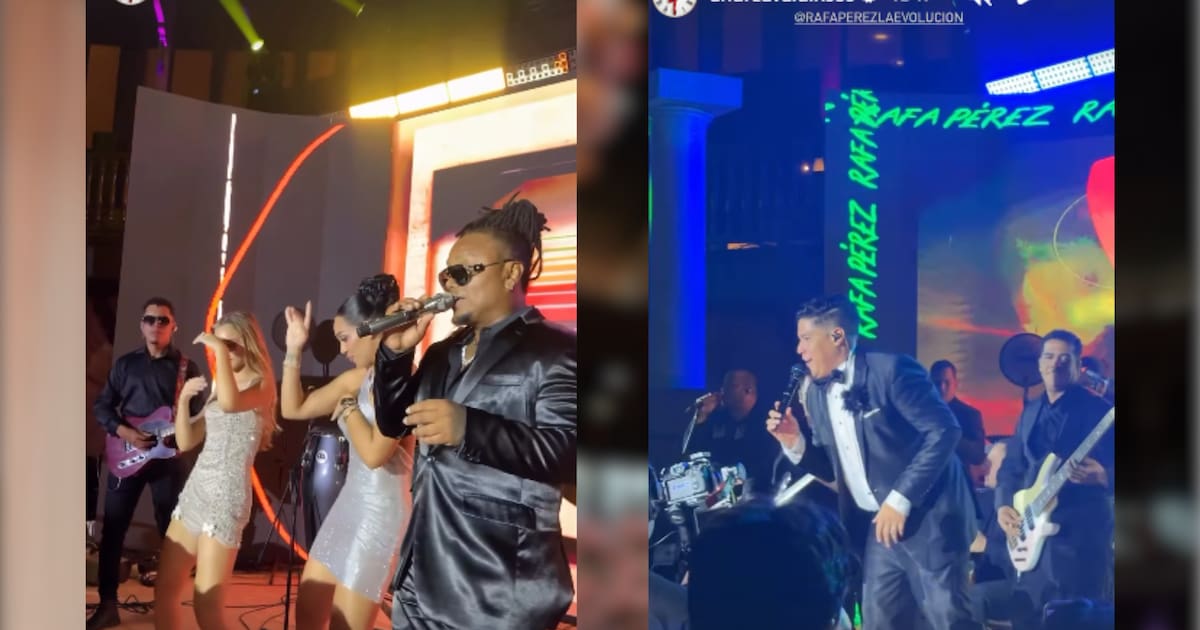
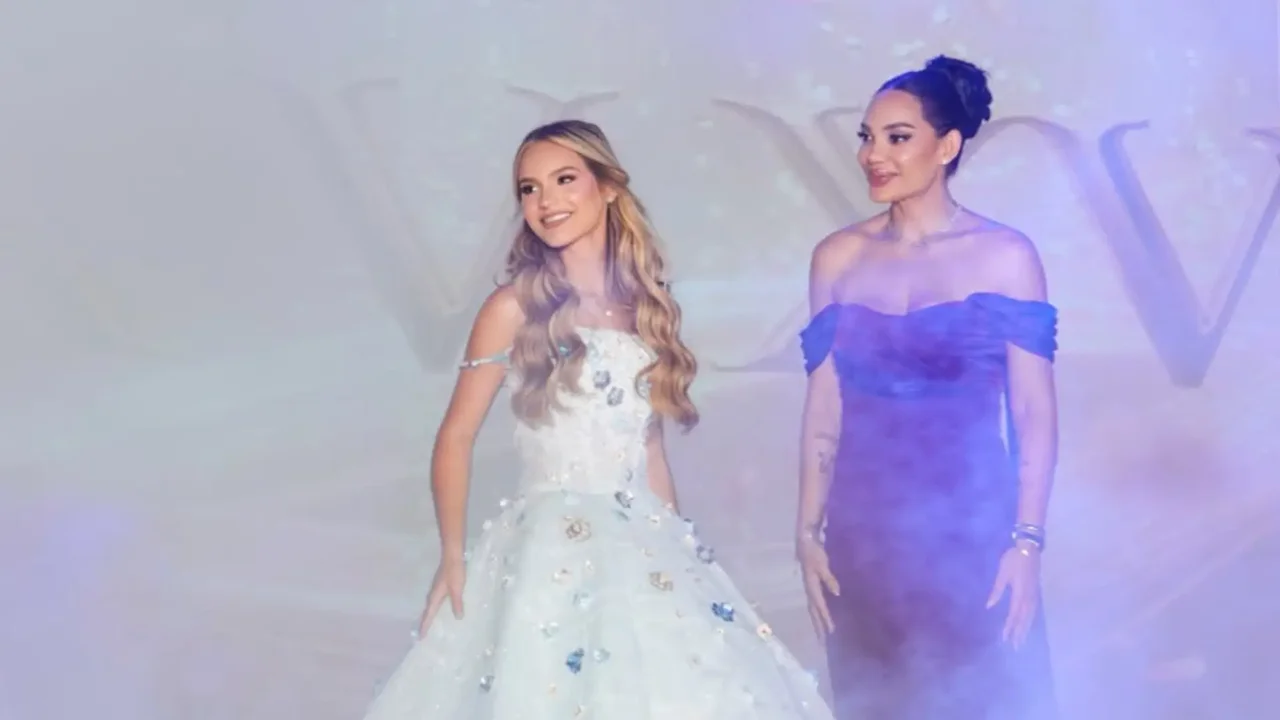
Isabela (often rendered Isabella) Valdiri, daughter of influencer and content creator Andrea Valdiri, celebrated her 15th birthday on March 13 in Cartagena, at the La Serrezuela shopping center, in an event widely described as exclusive and lavish. Across outlets, reports agree there were around 150 guests and a star‑studded entertainment lineup including artists such as Rafa Pérez and Mr. Black, complemented by a "hora loca" with DJ Alexo and other performers like Stefany BX, Jader Tremendo, and Byordy, with some coverage also highlighting surprise appearances by J Balvin and streamer Westcol.
Both opposition and government‑aligned media frame the celebration as a high‑profile cultural and social event anchored in Colombia’s influencer and music ecosystem, emphasizing Andrea Valdiri’s status as a prominent digital figure with the capacity to mobilize major artists and luxury branding. They converge in portraying the party as emblematic of contemporary Colombian celebrity culture, where influencer milestones are treated like red‑carpet spectacles that mix regional music, social‑media visibility, and expensive symbolism, and they note that the event quickly spilled over onto networks where attendees, outfits, and gifts were intensely discussed.
Areas of disagreement
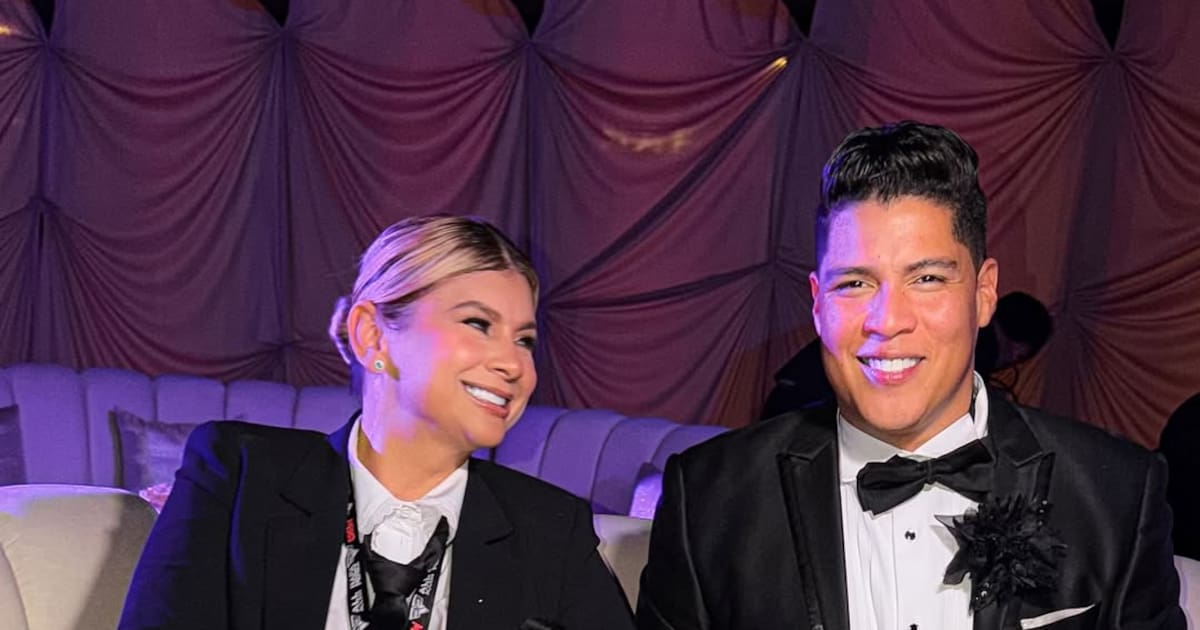
Focus of coverage. Opposition‑aligned outlets concentrate on the musical show, the roster of performers, the ambiance of the "hora loca," and social‑media chatter, including criticism of Rafa Pérez’s wife Milagros Villamil for her outfit, making the party primarily an entertainment and gossip story. Government‑aligned outlets, by contrast, foreground the scale of luxury, stressing the Mini Cooper S Favoured 2025 AT valued at about 180 million pesos and the distribution of emeralds to every guest, turning the same event into a showcase of opulence and aspirational consumption.
Tone toward excess and wealth. Opposition coverage generally presents the extravagance as background and focuses on personalities and small controversies, neither overtly condemning nor celebrating the spending and letting the spectacle speak for itself. Government‑aligned coverage adopts a more admiring and promotional tone, portraying the car and emeralds as symbols of prosperity and success linked to influencer entrepreneurship, implicitly normalizing such displays of wealth as desirable markers of social ascent.
Social-media controversy and propriety. Opposition outlets highlight online backlash, especially around Milagros Villamil’s black pantsuit and blazer, amplifying debates over fashion norms and what is considered appropriate at a 15th birthday party, and using those reactions to show a divided audience. Government‑aligned reports largely sidestep this micro‑controversy, downplaying questions of taste or propriety and instead emphasizing how guests supposedly enjoyed the event and left with luxurious mementos, framing the night as unproblematically glamorous.
Framing of influencer power. Opposition‑aligned media implicitly question aspects of influencer culture by spotlighting how every detail, from outfits to artist lists, becomes fodder for scrutiny and criticism, suggesting a sometimes toxic attention economy around such families. Government‑aligned outlets frame Andrea Valdiri’s influence more positively, as a success story in which her online popularity translates into the ability to stage a spectacular event and shower guests with gifts, aligning her narrative with broader themes of achievement and consumption endorsed by official‑leaning cultural discourse.
In summary, opposition coverage tends to treat the party as a celebrity entertainment and gossip spectacle with room for minor controversy and implicit questioning of influencer excess, while government-aligned coverage tends to celebrate it as a glittering example of prosperity and aspirational luxury centered on Andrea Valdiri’s success.