government-aligned
Edith Grön Boulevard will be delivered this March 8
As we have announced, this Sunday, March 8, in celebration of International Women's Day, our Government of Reconciliation and National Unity.
2 months ago
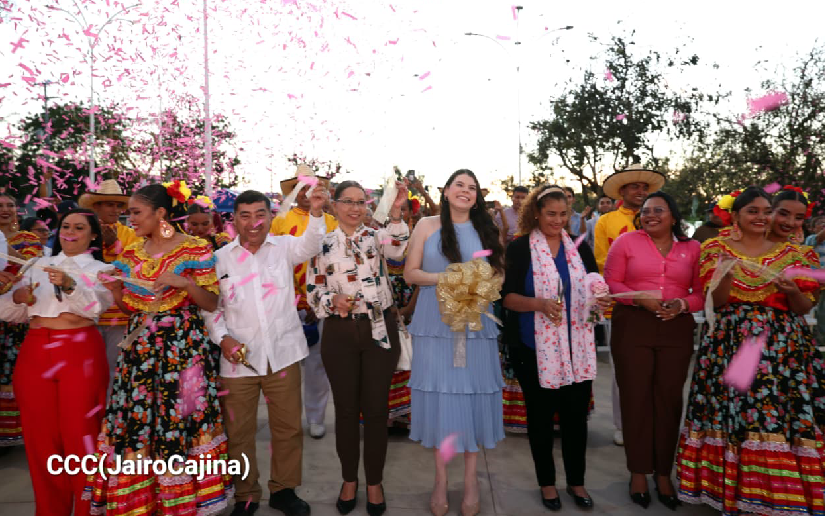
The Edith Grön Promenade in Managua was inaugurated on March 8, International Women's Day, as a new public recreational and cultural space in the Nicaraguan capital. Both opposition and government-aligned coverage agree that the project honors sculptor Edith Grön, a Denmark-born artist who migrated to Nicaragua as a child and went on to become one of the country’s most important sculptors of national heroes and historic figures. They concur that the promenade is located in the northern sector of Managua, in the area connecting major parks and existing urban developments, and that it includes gardens, walkways, and spaces designed for families and visitors to gather.
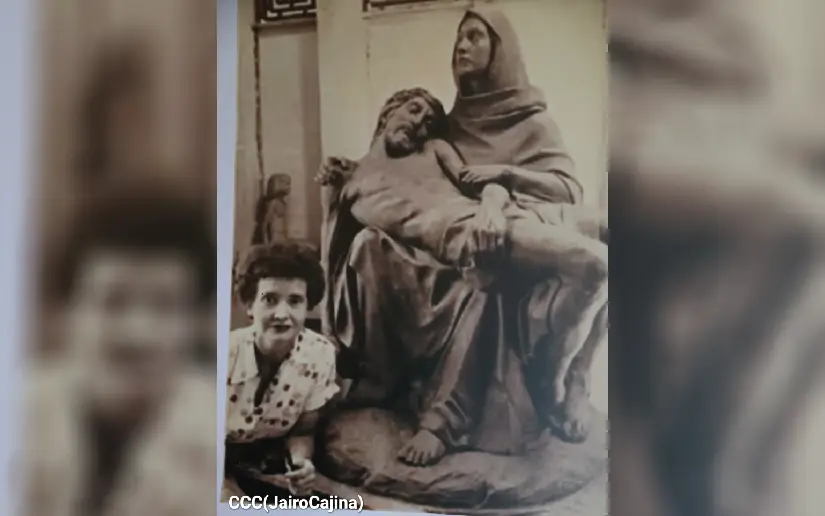
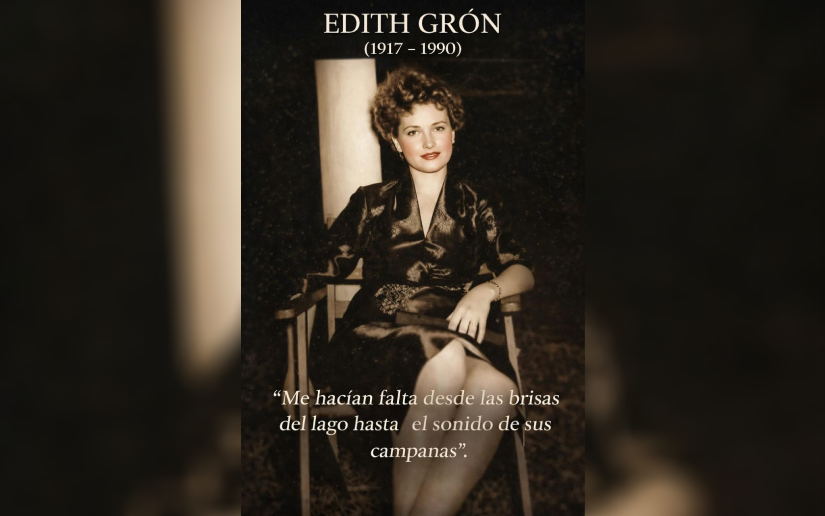
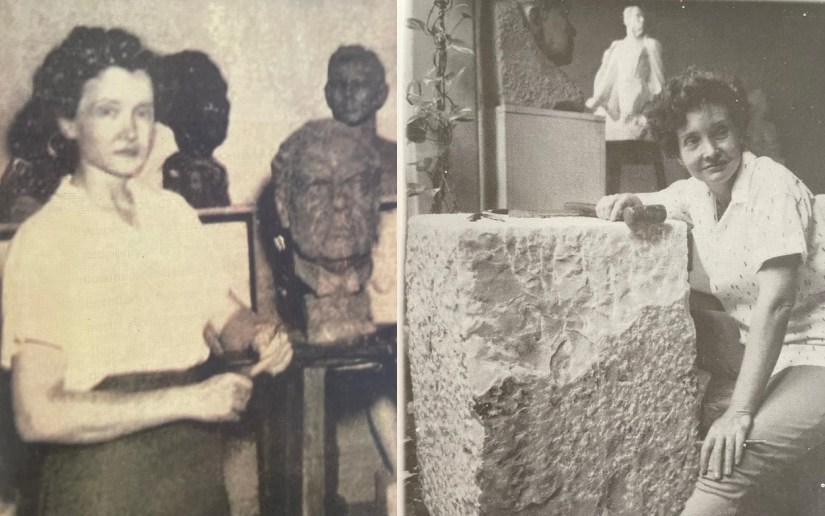
Across outlets, Edith Grön is consistently described as a central figure in Nicaraguan art history, having studied in Managua as well as at institutions in Mexico and New York and having received multiple recognitions for her work. There is shared emphasis that dedicating the promenade in her name is meant to highlight women’s contributions to culture and history, linking the space symbolically to International Women’s Day and to broader efforts to provide public areas for recreation. Both sides acknowledge that the initiative is framed as part of ongoing urban improvements in Managua and as a gesture that situates women’s creative and social roles within the country’s official commemorations.
Symbolism of the inauguration. Opposition-aligned sources say the choice to inaugurate the promenade on International Women's Day is a political maneuver that uses urban works to mask repression and the dismantling of independent women's and feminist organizations, while government-aligned outlets frame it as a sincere tribute to Nicaraguan women and their "transformative power." Government-aligned coverage emphasizes celebratory imagery of families, cultural pride, and gratitude to the authorities, whereas opposition narratives stress the contrast between the festive ceremony and reports of broader rights restrictions. Where government-aligned media see the promenade as proof of commitment to women’s advancement, opposition outlets portray it as symbolic compensation in place of genuine gender equality and civic freedoms.
Role of the government and institutions. Opposition reporting tends to underline the concentration of decision-making in the presidential family and the use of projects like this to consolidate personalist power, highlighting the presence of figures such as Camila Ortega Murillo as an example of dynastic control of culture and public works. Government-aligned coverage instead celebrates the involvement of the Mayor's Office of Managua and national authorities as evidence of coordinated, people-centered governance, presenting the project as arising from the Government of Reconciliation and National Unity. While government-aligned outlets stress institutional efficiency and responsiveness to family needs, opposition sources argue that municipal and national institutions are subordinated to political loyalty and propaganda imperatives.
Context of women’s rights and public space. Opposition-aligned media place the promenade within a context of curtailed women's rights, alleging that the same state promoting a women-themed promenade has criminalized protest, limited independent organizing, and constrained services for women facing violence. Government-aligned coverage instead situates the promenade within a narrative of social progress, citing expanded public spaces, community programs, and the formal recognition of women artists and leaders as signs of ongoing empowerment. Thus, while the government side links the new space to material and symbolic advances for women, the opposition side frames it as a decorative gesture that contrasts sharply with lived realities of inequality and political repression.
Cultural legacy and narrative control. Opposition outlets tend to question how the state curates memory and culture, suggesting that honoring Edith Grön through an official project is part of a broader strategy to monopolize cultural symbols and align them with the current political project. Government-aligned media, by contrast, present the promenade as a neutral or unifying celebration of national cultural heritage, focusing on Grön’s artistic achievements and avoiding discussion of political pluralism in the arts. In opposition narratives, the space risks becoming another stage for controlled, pro-government cultural programming, while in government-aligned narratives it is portrayed as inclusive, open, and inherently tied to national identity.
In summary, opposition coverage tends to cast the Edith Grön Promenade as a politically instrumental, image-focused project that clashes with the government’s human rights and women’s rights record, while government-aligned coverage tends to present it as a genuine, people-centered tribute to women and to Edith Grön’s cultural legacy, emblematic of social progress and urban improvement.