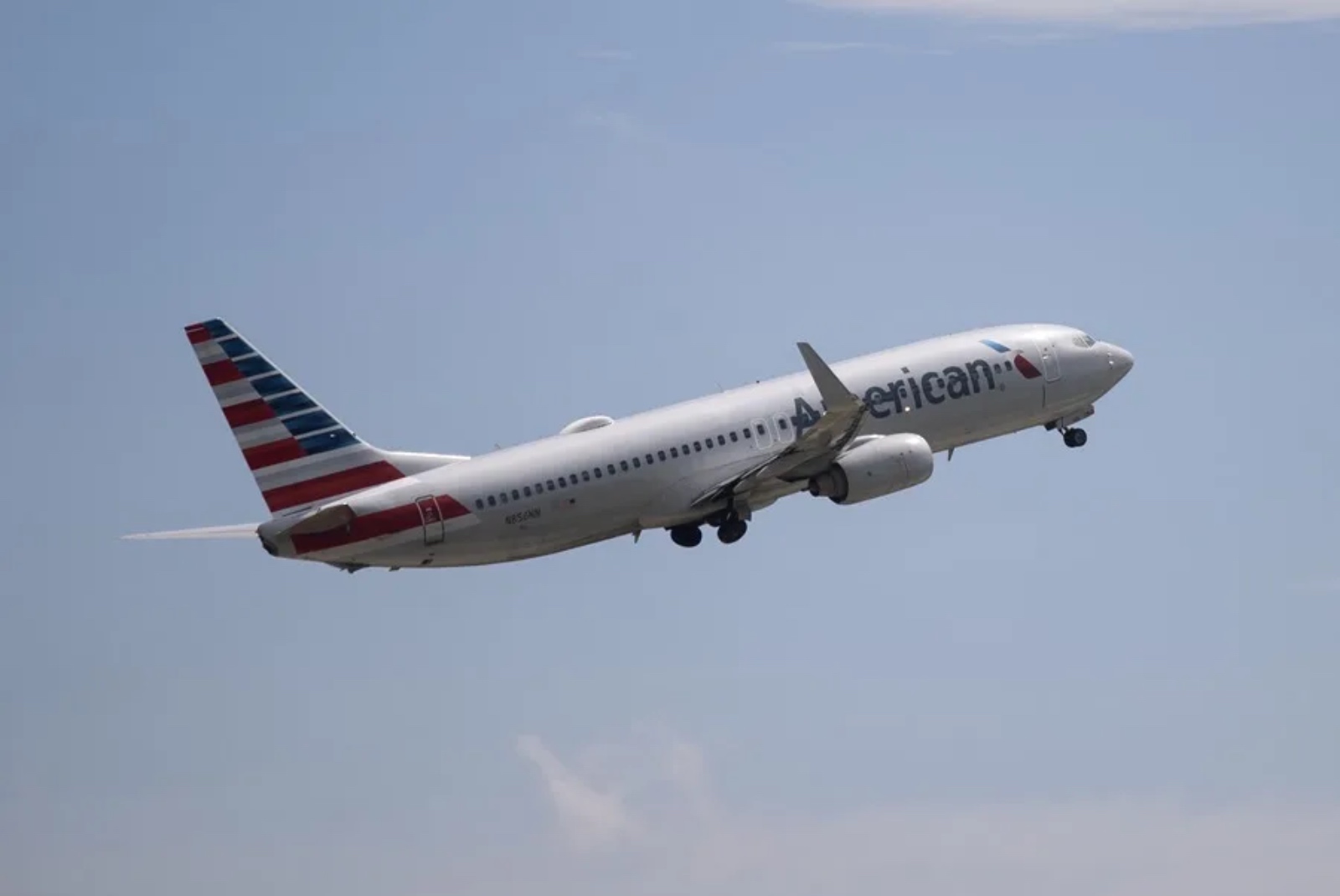
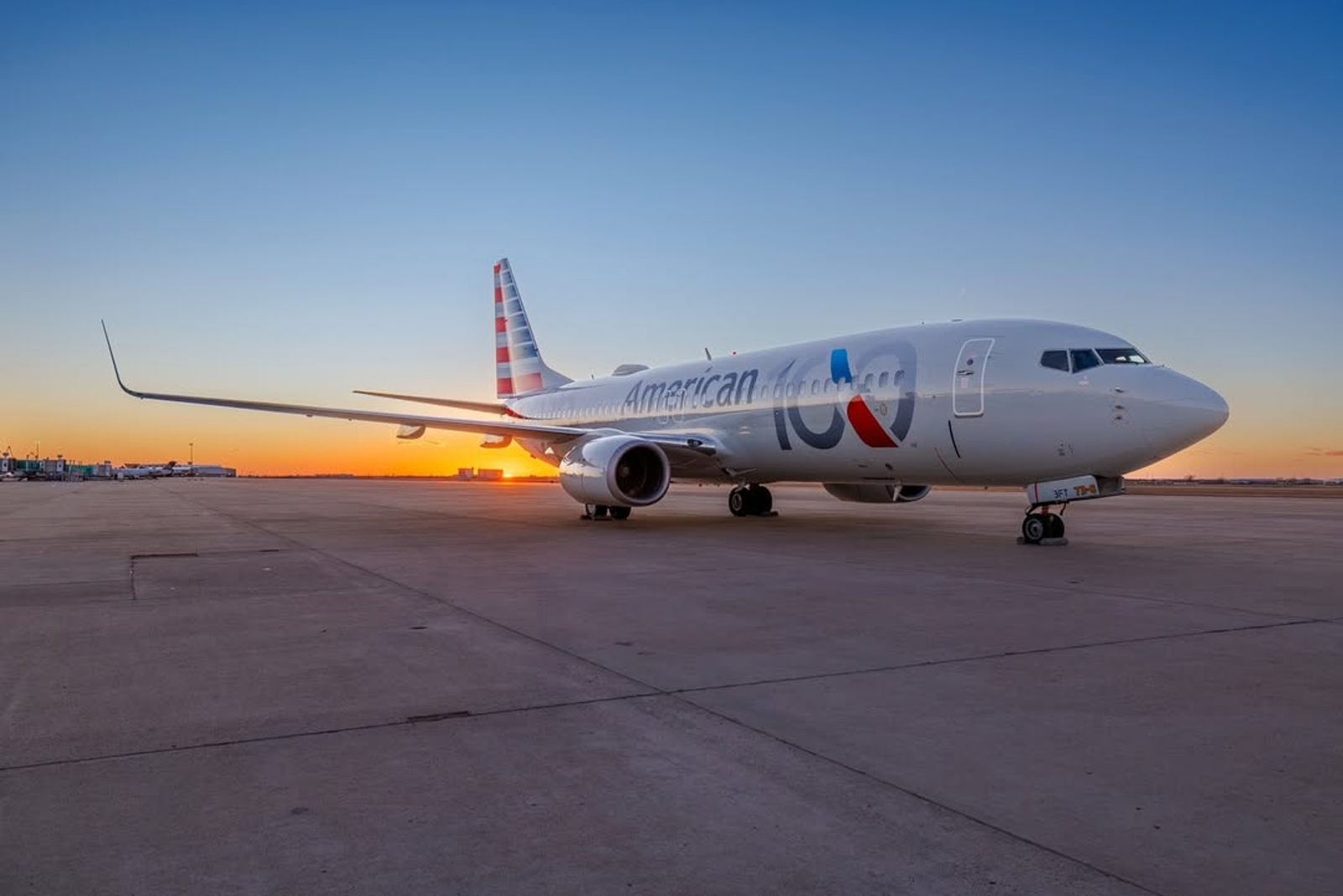
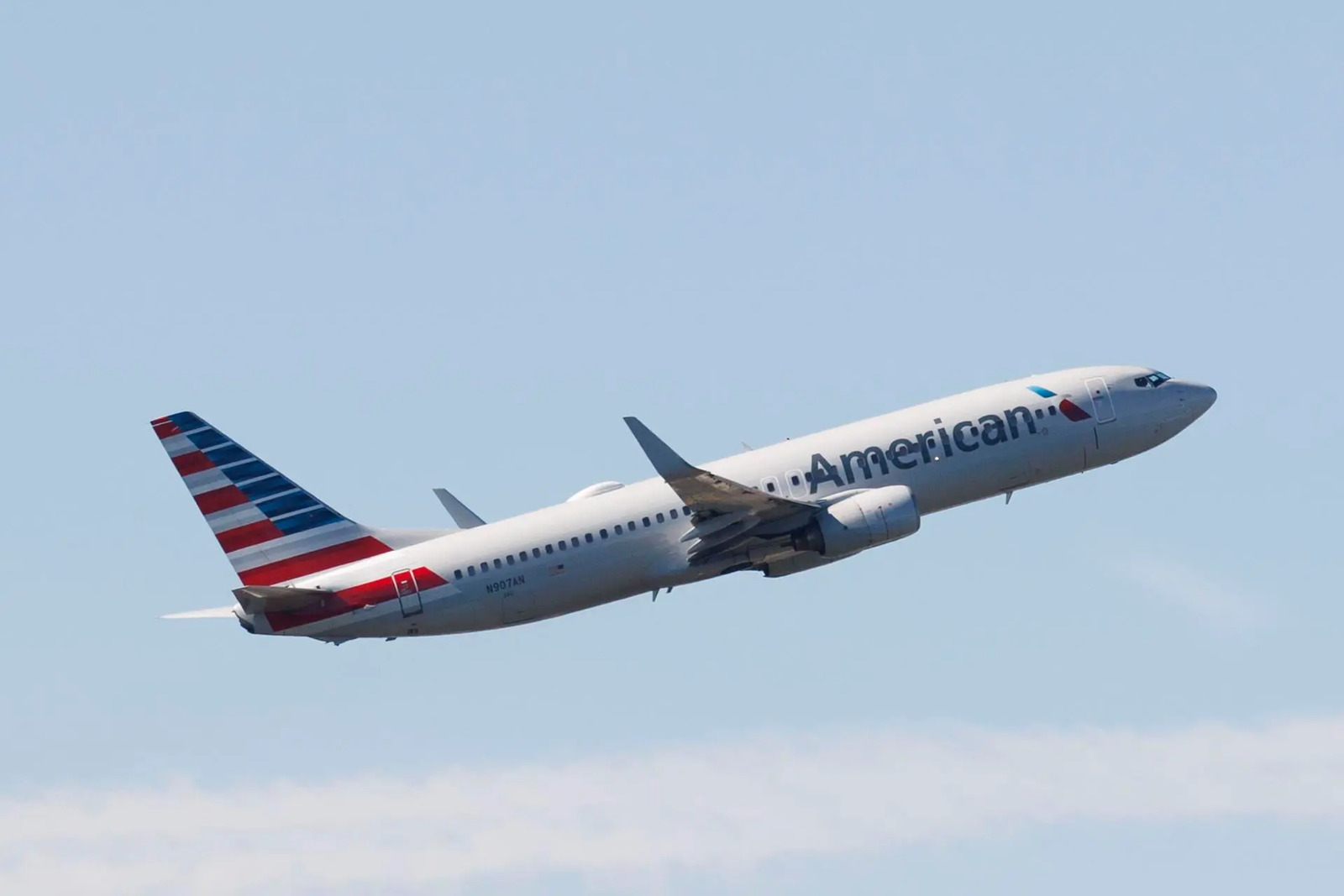
The U.S. Department of Transportation has approved American Airlines, via its regional carrier Envoy Air, to resume direct flights between Miami and the Venezuelan cities of Caracas and Maracaibo, routes that were suspended in 2019 under a ban on U.S. flights to Venezuela. Both opposition and government-aligned outlets agree that this is the first time in roughly six to seven years that a U.S. airline will operate these routes again, that the exemption/authorization is valid for about two years, and that the services will cover passenger, cargo, and mail operations. They also concur that no specific start date, schedules, or ticket sales have been formally announced yet, and that the move follows a period of improving relations and renewed dialogue between Washington and Caracas.
Across both types of coverage, the reopening of the air link is framed as part of a broader process of reestablishing connectivity between the United States and Venezuela after years of diplomatic tension and sanctions. Reports cite the role of U.S. institutions such as the Department of Transportation and the TSA, along with Venezuela’s civil aviation authority INAC, as key players in the technical and regulatory steps still required before flights can actually take off. Both sides highlight that the flights are intended to reconnect Venezuelan migrants and families, facilitate business and trade, and signal a cautious normalization of ties, while stressing that final security reviews and bilateral coordination are still necessary. There is shared acknowledgment that, once operational, these routes could become a major commercial and symbolic bridge after a long period of isolation.
Areas of disagreement
Status of resumption. Opposition-aligned coverage tends to present the U.S. decision as effectively meaning that American Airlines “will resume” flights, emphasizing the novelty of the first U.S. carrier returning in years and treating operational restart as a near certainty. Government-aligned outlets, by contrast, repeatedly stress that commercial operations are not yet confirmed, underscoring that TSA and INAC inspections, certifications, and additional approvals are pending. While the opposition narrative implies a completed green light, government-aligned reports frame the move as only an initial step in a still-uncertain process.
Tone and significance. Opposition sources portray the authorization as a major breakthrough and a tangible sign of improving U.S.–Venezuela relations, focusing on the positive impact for travelers and business, and on American Airlines’ pioneering role. Government-aligned media adopt a more cautious and technocratic tone, highlighting regulatory caveats and warning the public not to assume immediate flight availability, even as they acknowledge the political and symbolic importance. The opposition narrative is more celebratory and forward-looking, whereas the government-aligned narrative tempers expectations and stresses procedural hurdles.
Role of institutions and control. Opposition outlets spotlight the U.S. Department of Transportation’s exemption and American Airlines’ corporate decisions, suggesting that the main driver of change is the easing of U.S. restrictions and the airline’s interest in re-entering the market. Government-aligned coverage, however, foregrounds Venezuelan authorities like INAC and the need for domestic regulatory oversight, implicitly asserting that Caracas retains sovereign control over when and how the link is restored. Thus, opposition reports center U.S. and airline agency, while government-aligned reports emphasize Venezuelan institutional gatekeeping and joint security coordination.
Economic framing and accessibility. Opposition narratives focus on the broader economic upside—reconnecting families, boosting commerce, and restoring a key international route—without delving into concrete price expectations or affordability concerns. Government-aligned sources introduce estimated ticket prices in the $400–$500 range and frame the issue in terms of market conditions and regulatory safeguards, signaling concern about how and when ordinary travelers will be able to benefit. As a result, opposition coverage leans into macro benefits and symbolic reopening, while government-aligned coverage ties the story more directly to cost, regulation, and the practical accessibility of the new routes.
In summary, opposition coverage tends to treat the U.S. authorization as a de facto relaunch of American Airlines’ Venezuela routes and a clear diplomatic and economic win, while government-aligned coverage tends to frame it as a preliminary regulatory step that still depends on Venezuelan oversight, technical inspections, and market conditions before ordinary travelers will see concrete results.