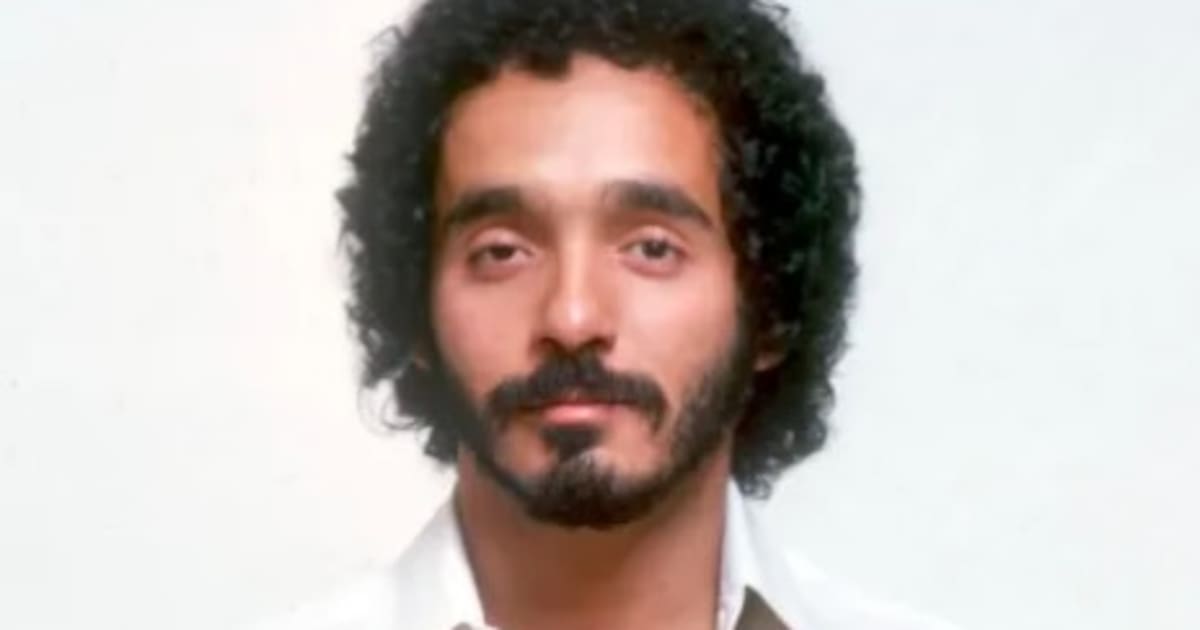
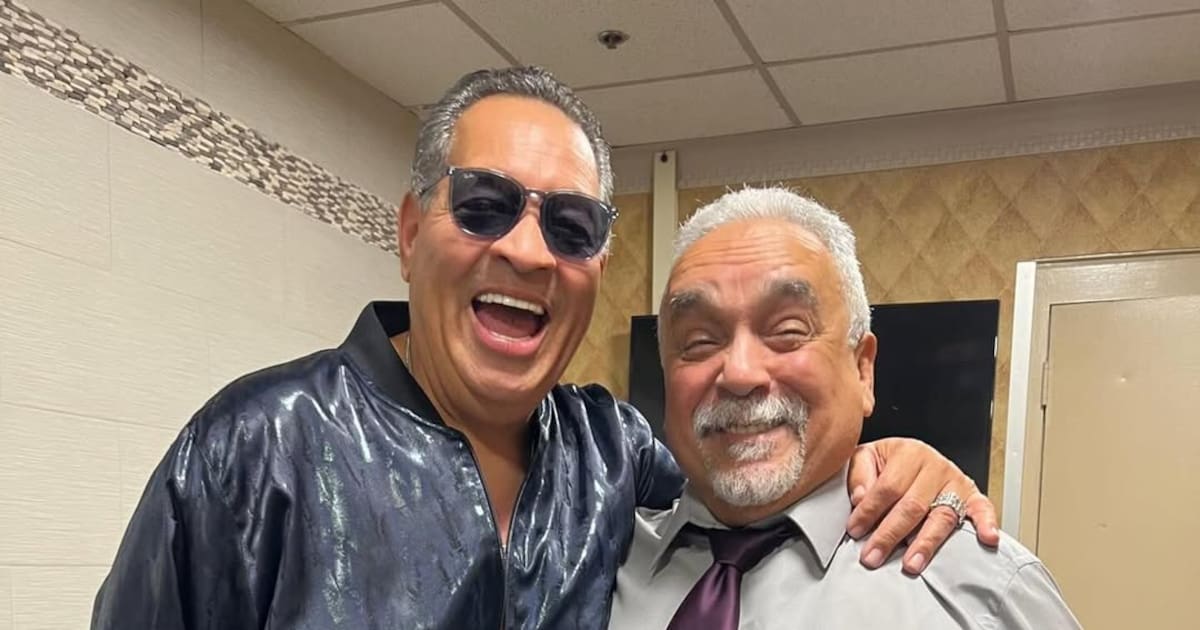
Salsa icon Willie Colón, a Bronx-born US musician of Puerto Rican origin and one of the central architects of modern salsa, has died in New York at the age of 75 after being hospitalized for serious health complications widely described as respiratory in nature. Both opposition and government-aligned outlets agree he passed away on February 21, 2026, in a New York hospital, with his family issuing a statement expressing deep sadness, gratitude for the memories his music created, and asking for privacy. Coverage from both sides highlights his role as a trombonist, composer, arranger, producer, and singer behind classics like “Idilio,” “Gitana,” “El gran varón,” and “Todo tiene su final,” as well as his emblematic nickname “El Malo del Bronx.” They concur that he was a pillar of Fania Records (La Fania), that his career began as a teenager with the album “El Malo,” and that he went on to record more than 30 albums, selling millions of records and earning multiple gold and platinum certifications, Latin Grammys, and other major awards. Both camps also stress the immediate reaction from the salsa world, noting tributes and messages of mourning from Rubén Blades, Grupo Niche, Guayacán, Willy García, Fruko, Tito Nieves, and other artists across Latin America.
Across the spectrum, media characterize Colón as a foundational figure who brought an urban, barrio-rooted sound to salsa and helped project it onto the global stage, turning the “sound of the Bronx” and Caribbean barrios into a worldwide phenomenon. They emphasize his long association with Fania Records as an institution that defined the salsa era of the 1970s, situating him at the heart of a movement that fused Afro-Caribbean rhythms with socially conscious lyrics, migration stories, and working-class struggles. Both opposition and government-aligned coverage recall his legendary collaborations with Héctor Lavoe and Rubén Blades, his role as an “architect” of salsa’s structural sound, and his contributions as a producer for stars such as Celia Cruz. They also converge in framing his work as a declaration of identity, pride, and resistance for Latino communities in New York and across the Americas, and in underlining how his recordings—reissued, replayed, and streamed in the wake of his death—continue to shape how salsa is understood and performed today.
Points of Contention
Cause and circumstances of death. Opposition-aligned outlets tend to speak cautiously about the cause of death, referring to acute respiratory complications and recent fatigue onstage, often noting that some details remain preliminary or unconfirmed and connecting concerns to his 2021 car accident. Government-aligned coverage is more definitive, specifying lung fibrosis allegedly linked to a past COVID-19 infection, compounded by diabetes, diabetic retinopathy, and long-term strain from playing the trombone. While both acknowledge prior hospitalization and serious health issues, opposition sources emphasize uncertainty and hypotheses, whereas government-aligned media foreground a clear medical narrative that situates his passing within broader post-pandemic health themes.
Personal life and political identity. Opposition sources give relatively limited space to Colón’s family life and later public positions, focusing instead on his irreverent artistic persona, barrio defiance, and sometimes contentious episodes such as clashes with promoters or authorities. Government-aligned outlets invest more in humanizing him through stories about his wife Julia Craig saving his life in the 2021 accident and highlighting his role as a social and political activist, including his critiques of younger generations and his engagement with civic debates. In doing so, opposition coverage keeps the spotlight on the rebellious musician shaped by marginalization, while government-aligned pieces more explicitly present him as a mature moral voice and public figure whose personal resilience mirrors official narratives of sacrifice and perseverance.
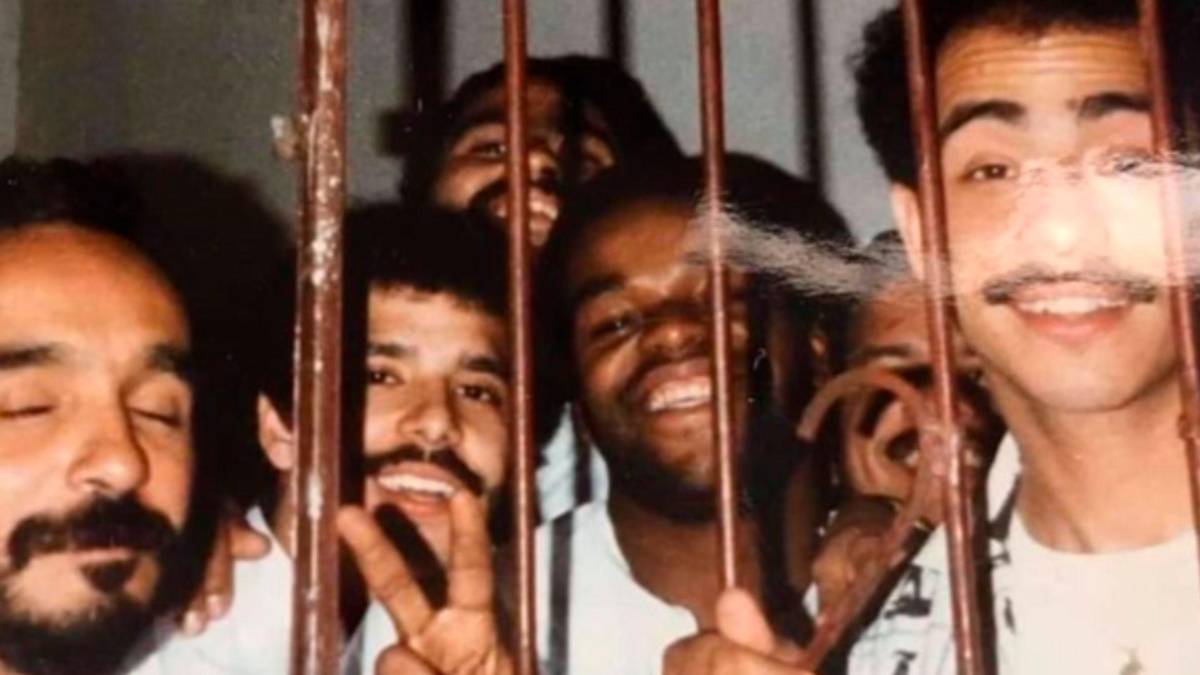
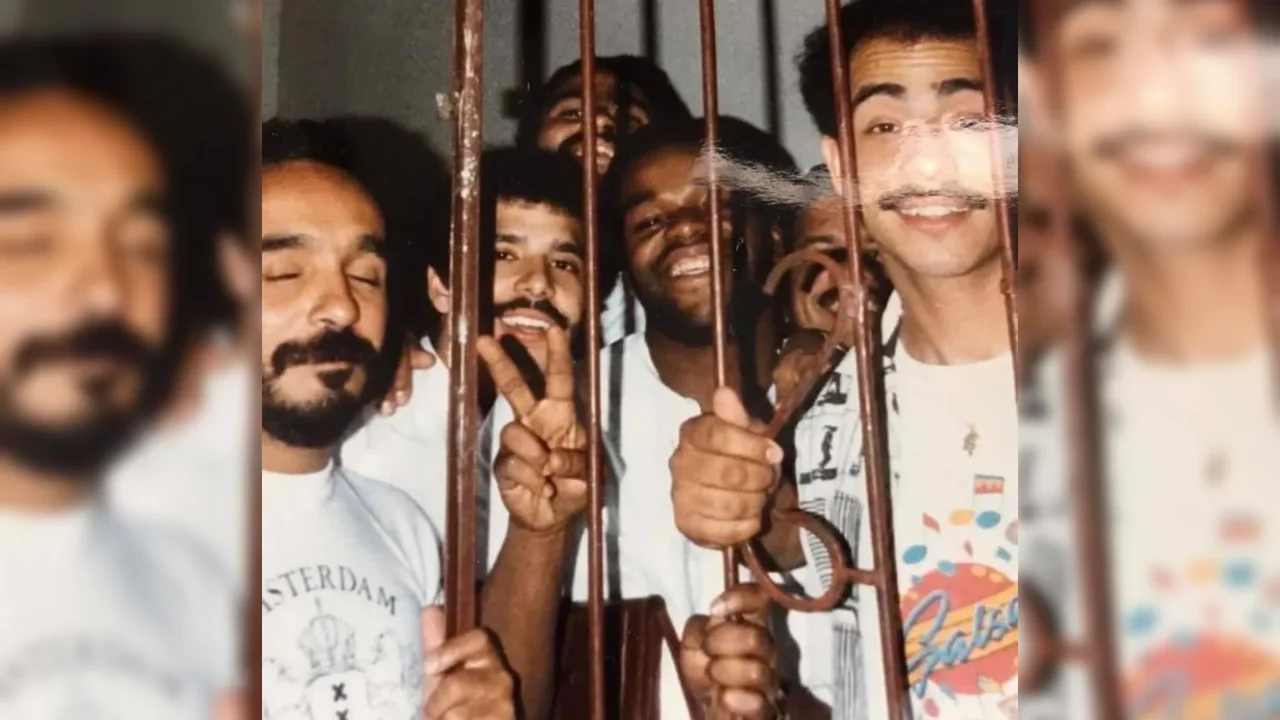
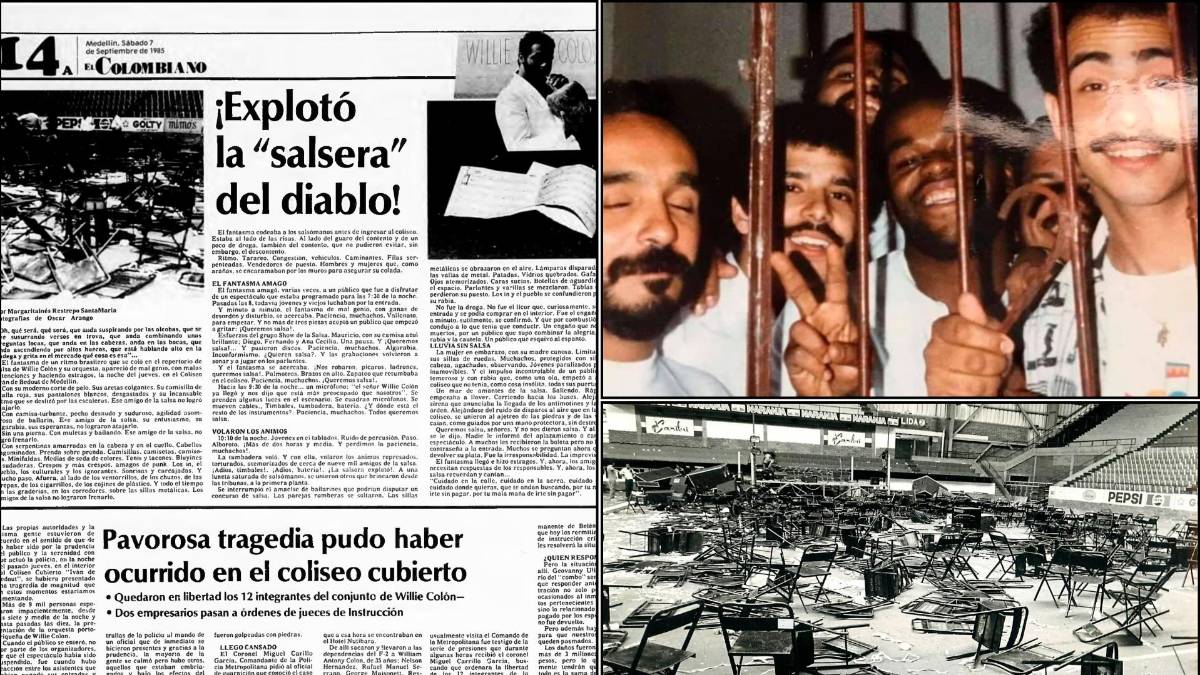
Interpretation of legacy and institutions. Opposition-aligned reporting underscores Colón as salsa’s most irreverent creator, stressing how his music emerged from and spoke back to marginalization, police repression, and the informal economies of the Bronx and Latin American cities, sometimes using the Medellín arrest story to underscore systemic injustices and industry abuses. Government-aligned outlets, by contrast, lean into institutional success metrics—gold and platinum records, Latin Grammy recognition, global tours—and frame Fania and the broader salsa industry as triumphant cultural engines that he helped to consolidate. Both celebrate his global impact, but opposition narratives center on resistance and critique of power structures, whereas government-aligned media emphasize integration into the cultural establishment and national or regional pride.
Emphasis in tributes and emotional tone. Opposition coverage tends to foreground tributes from fellow musicians as testimonies to his rebellious creativity and disruptive sound, often highlighting how artists describe a void in salsa’s experimental and socially edgy side after his death. Government-aligned sources also highlight artists’ grief but couple it more explicitly with institutional reactions—from labels, broadcasters, and cultural commentators—repeating themes of unity, continuity, and the preservation of heritage. As a result, opposition pieces lean toward an elegy for a lost countercultural voice, while government-aligned articles frame the mourning as a collective moment that reinforces shared identity and official cultural narratives.
In summary, opposition coverage tends to portray Willie Colón’s death through the lens of urban rebellion, unresolved questions about his final health crisis, and a legacy rooted in resistance and marginalization, while government-aligned coverage tends to present a more medically definitive account of his passing, emphasize his family ties and institutional recognition, and integrate his life story into broader narratives of cultural pride and ordered continuity.