government-aligned
Andrew Mountbatten-Windsor Released After More Than Six Hours in Custody
Thames Valley Police reported that Andrew Mountbatten-Windsor was released after six hours in custody.
3 months ago
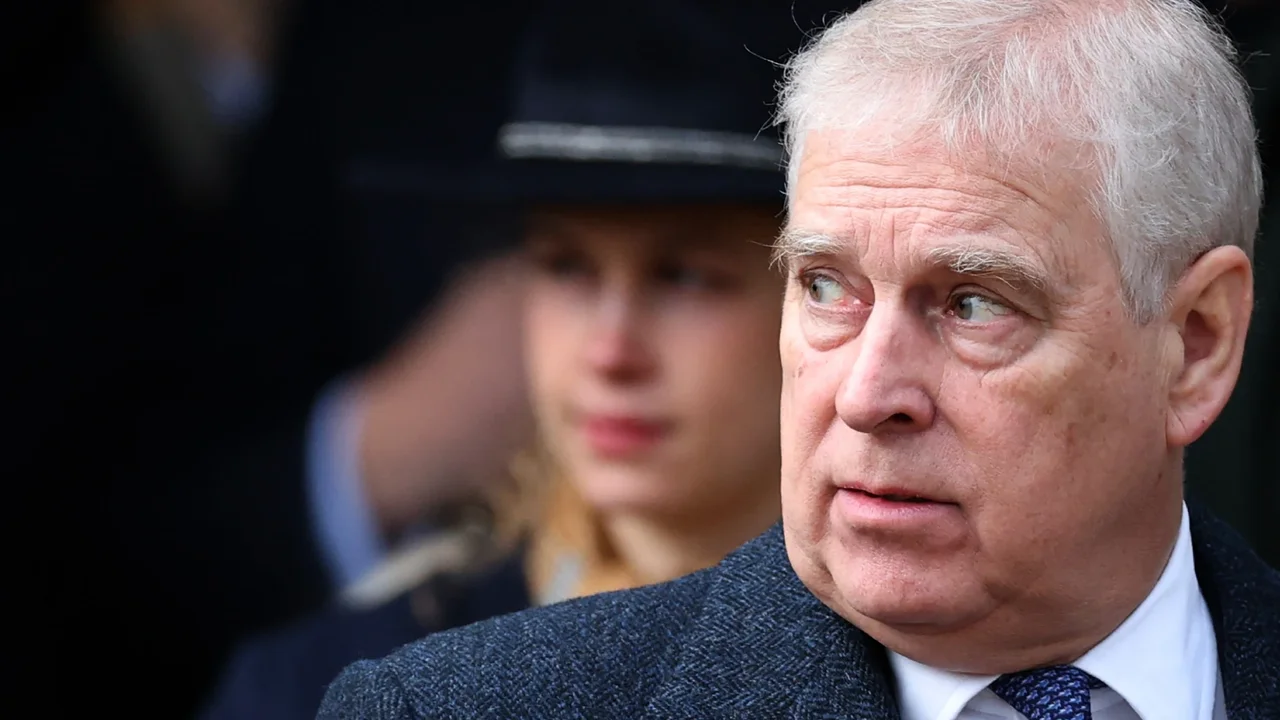
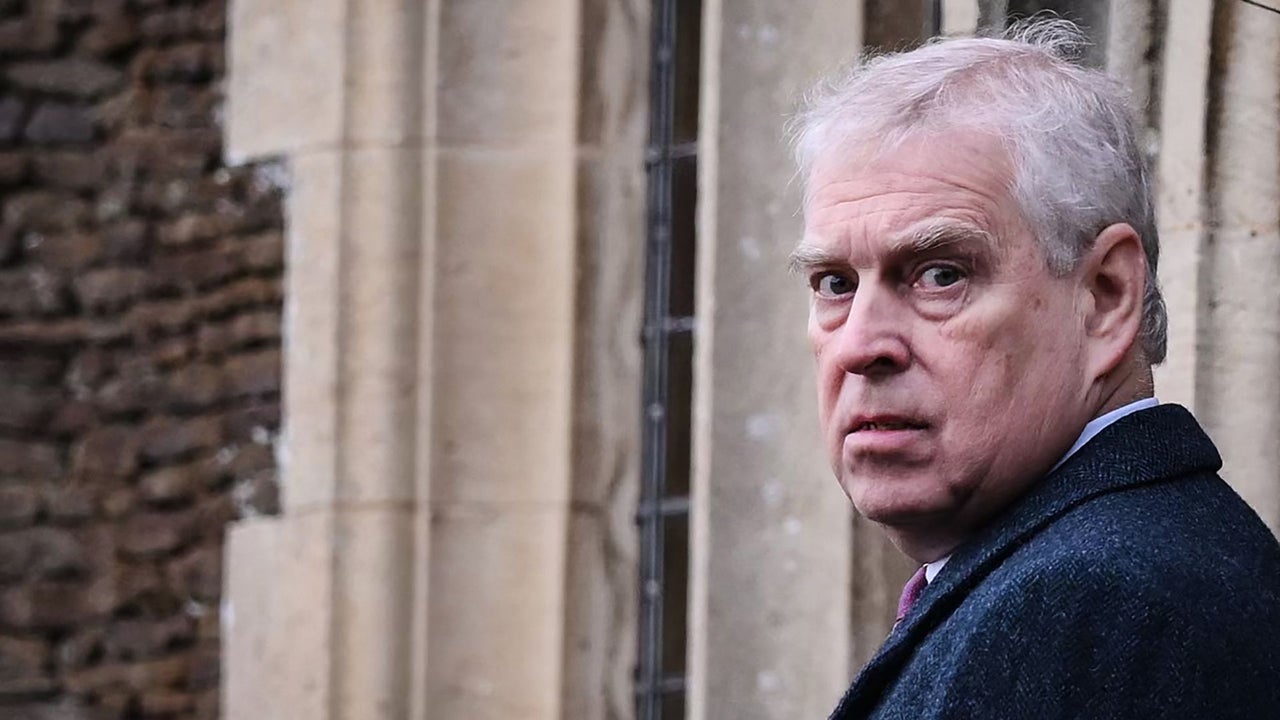
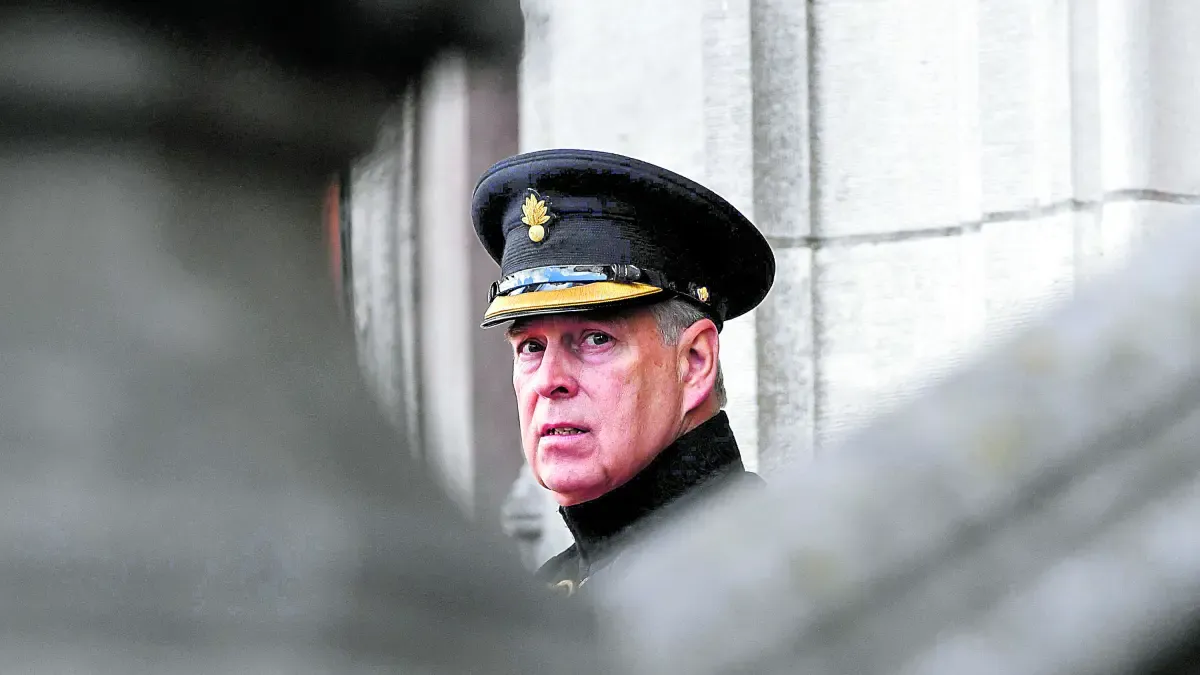
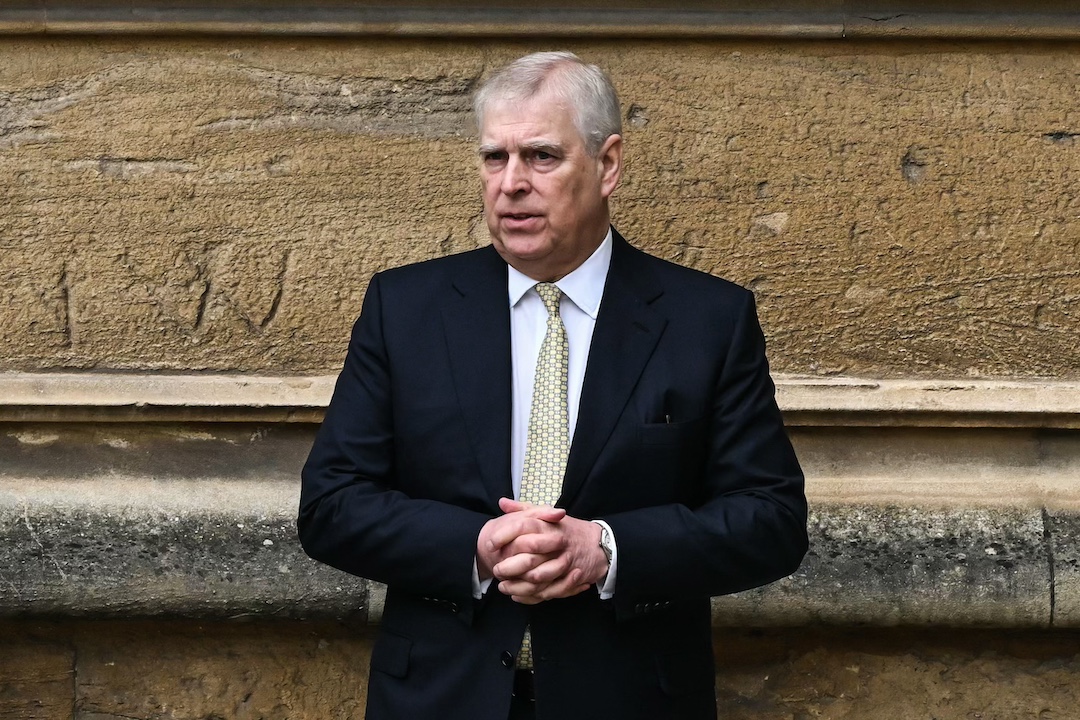
Former Prince Andrew, also referred to as Andrew Mountbatten-Windsor and the younger son of the late Queen Elizabeth II, was arrested in Norfolk, England, on his 66th birthday on suspicion of misconduct in public office linked to his relationship with Jeffrey Epstein. Both opposition and government-aligned sources state that Thames Valley Police confirmed the arrest and searches at two addresses in England, typically identified as properties in Berkshire and Norfolk, in connection with an ongoing investigation. Coverage agrees that the alleged misconduct centers on the sharing or facilitation of sensitive or confidential British government documents with Epstein during Andrew’s time in public roles, such as trade envoy or special representative for international trade. All outlets report that Andrew was held in custody for several hours, then released while remaining formally under investigation.
Both camps highlight that this is an unprecedented moment for the modern British monarchy, given that a senior royal and brother of King Charles III has been arrested in connection with the Epstein affair. They agree that the case comes on top of earlier, widely reported accusations of sexual abuse against Andrew, which led to a financial settlement and contributed to him being stripped of royal titles and patronages. King Charles III is consistently depicted as expressing deep concern while insisting that the law must take its course and that it would be inappropriate for him to comment further during the investigation. Outlets on both sides situate the episode within the wider institutional context of the monarchy’s public standing, the long-running fallout from Epstein’s crimes, and ongoing efforts by authorities to examine any misuse of public office and mishandling of classified information.
Framing of the scandal. Opposition-aligned outlets frame the arrest as a profound institutional shock that exposes rot within the monarchy and the British state, stressing the gravity of a royal allegedly facilitating access to sensitive government documents. Government-aligned coverage, while not downplaying the seriousness, tends to present the affair as an individual lapse by Andrew that should not be taken as representative of the broader royal institution. Opposition stories emphasize how closely the monarchy and state apparatus are intertwined in this alleged misconduct, whereas government-friendly pieces stress that safeguards and formal institutions are robust and functioning as intended. The result is a contrast between a systemic-crisis narrative and an isolated-disgrace narrative.
Role of King Charles III and the establishment. Opposition sources highlight Charles’s statement that “the law must take its course” but often read it as a defensive posture aimed at preserving the institution and limiting deeper scrutiny of royal privilege. Government-aligned outlets portray the king as a guarantor of accountability, underscoring his previous decision to strip Andrew of titles and remove him from public duties as evidence of responsible leadership. Opposition coverage questions whether the royal household and political establishment previously looked the other way while Andrew cultivated his Epstein ties, whereas government-aligned coverage stresses present cooperation with investigators and avoids probing past inaction. This creates diverging portrayals of the monarch as either reluctantly reactive or firmly corrective.
Emphasis on Epstein and prior allegations. Opposition-aligned media lean heavily on the broader Epstein network and prior sexual assault accusations, weaving the arrest into a narrative of long-ignored warnings and elite impunity. Government-aligned reports acknowledge these past allegations and the settlement but tend to bracket them as background, focusing on the specific legal question of misconduct in public office and document-sharing. Opposition outlets more readily suggest that the new investigation may expose wider complicity or further episodes of wrongdoing, while government-aligned coverage treats the case as one discrete phase in a long-running but contained controversy. This leads to differing expectations about how far the inquiry might reach beyond Andrew himself.
International and political fallout. Opposition coverage uses reactions such as Donald Trump’s comments to underscore how the scandal tarnishes Britain’s global image and complicates high-level diplomacy, particularly ahead of Charles’s visit to the United States. Government-aligned sources reference such reactions but frame them more as unfortunate optics than structural crises, stressing continuity of state-to-state relations and the apolitical nature of the legal process. Opposition stories more readily connect the episode to domestic debates over transparency, republican sentiment, and reform of royal prerogatives, whereas government-aligned outlets keep the focus on law enforcement procedure and the media spectacle, including viral images of Andrew in custody. These contrasting emphases shape whether the arrest is seen as a foreign-policy liability and constitutional flashpoint or as a reputational storm to be weathered.
In summary, opposition coverage tends to cast Andrew’s arrest as symptomatic of deeper institutional decay, elite impunity, and long-ignored warnings about the monarchy’s entanglement with Epstein, while government-aligned coverage tends to isolate the scandal to Andrew’s personal conduct, emphasize the king’s cooperation and corrective actions, and frame the episode as a serious but ultimately manageable test for Britain’s institutions.