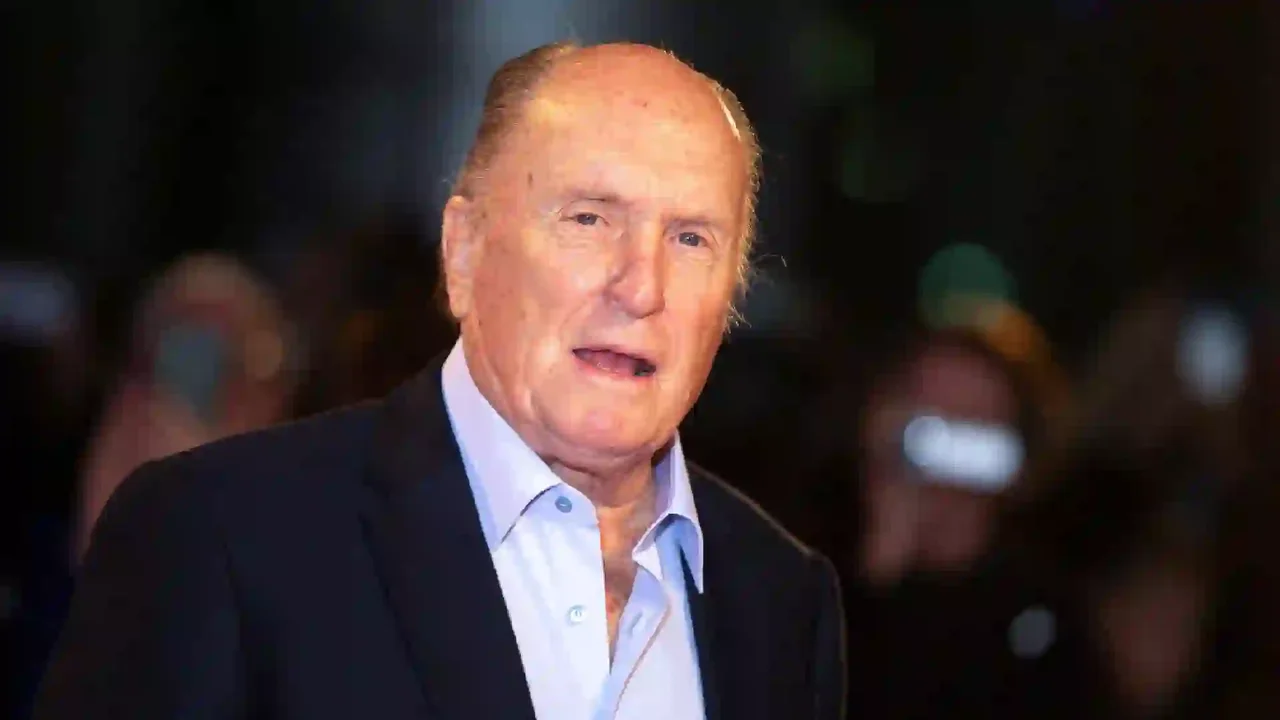
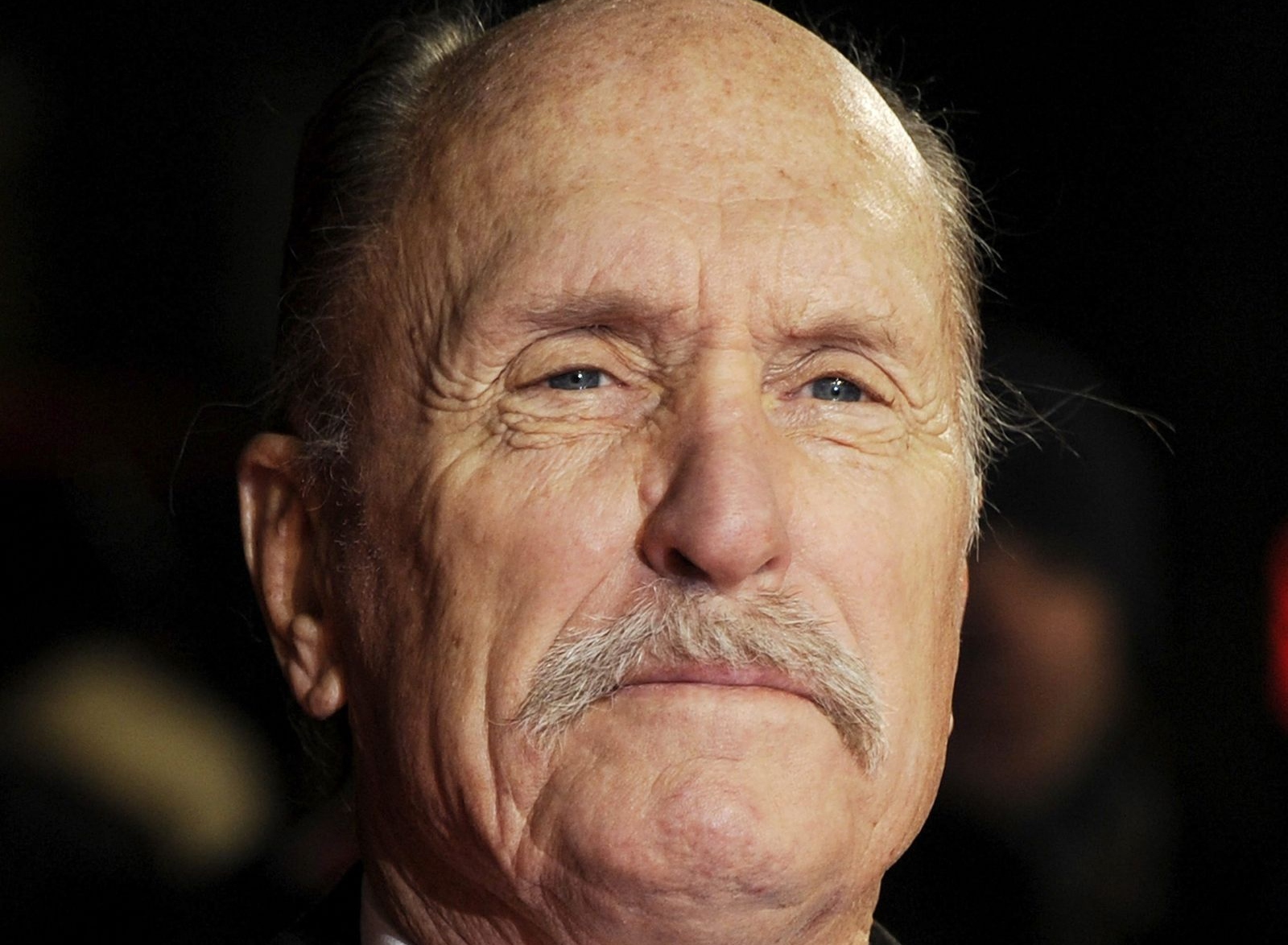
Robert Duvall, the American actor renowned for iconic roles in films such as "The Godfather," "Apocalypse Now," and the Oscar-winning "Tender Mercies," has died at the age of 95 at his home in Middleburg, Virginia. Both opposition and government-aligned coverage agree that his death was peaceful and confirmed by his wife, Luciana Duvall, who issued a statement describing him as a devoted artist and beloved husband, surrounded by family at the time of his passing. Across outlets, reports consistently highlight that Duvall was an Oscar-winning performer with a career spanning stage, television, and cinema, appearing in more than 100 productions over more than six decades and leaving behind a widely acknowledged legacy of memorable, influential performances.
Coverage from both sides situates Duvall firmly within the pantheon of modern American cinema, emphasizing his transition from early work in theater and television to international fame in major Hollywood films. They concur that his artistry lay in intense yet deeply human portrayals that shaped key eras of film history, with particular emphasis on his central roles in landmark franchises and war epics. Both note that colleagues, critics, and fans have responded with tributes recognizing his versatility as actor (and at times director and producer), his long professional longevity, and his enduring impact on subsequent generations of performers and filmmakers.
Points of Contention
Framing of significance. Opposition-aligned reports tend to frame Duvall primarily as a craftsman whose reputation rests on a handful of towering roles, stressing his workmanlike dedication and the emotional intimacy of his performances. Government-aligned outlets more often present him as a monumental "cinema legend" and almost institutional figure in Hollywood, using grander language about his "indelible mark" on film history. While both acknowledge his influence, opposition coverage leans toward modest, character-focused descriptions, whereas government-aligned coverage leans into myth-making and industry-wide superlatives.
Emphasis on personal life versus industry reaction. Opposition sources focus more narrowly on the immediate family context of his death, centering Luciana Duvall’s statement and Duvall’s identity as a husband and devoted artist. Government-aligned pieces devote more space to the broader Hollywood response, highlighting widespread tributes from colleagues and fans and casting the event as a collective moment of mourning in the film industry. As a result, opposition pieces read as more intimate and private, while government-aligned reports situate his passing as a public cultural event.
Career scope and achievements. Opposition coverage references his Oscar-winning status and a "distinguished" career but keeps the list of titles relatively short, spotlighting the most famous films without elaborating much on his full filmography. Government-aligned outlets underline the sheer scale and duration of his work, stressing that his career spanned more than six decades and over 100 productions, and explicitly noting his roles as actor, director, and producer. Both sides agree on key milestones such as "Tender Mercies," but government-aligned sources construct a broader narrative of sustained, multi-faceted achievement.
Tone of legacy portrayal. Opposition-aligned reporting tends to adopt a restrained, almost understated tone, letting basic facts and a few signature roles stand in for a larger judgment about his place in film history. Government-aligned coverage is more overtly celebratory, with emotional language about his "profound impact" and his status as an "influential figure" whose work defined eras of cinema. Thus, while opposition outlets emphasize quiet respect and professionalism, government-aligned outlets lean toward a eulogistic, legacy-building style that foregrounds collective admiration and cultural symbolism.
In summary, opposition coverage tends to honor Robert Duvall with a lean, intimate focus on his key roles, devotion to craft, and family’s statement, while government-aligned coverage tends to amplify his stature as a towering Hollywood institution, highlighting industry tributes, the breadth of his career, and his symbolic place in cinema history.