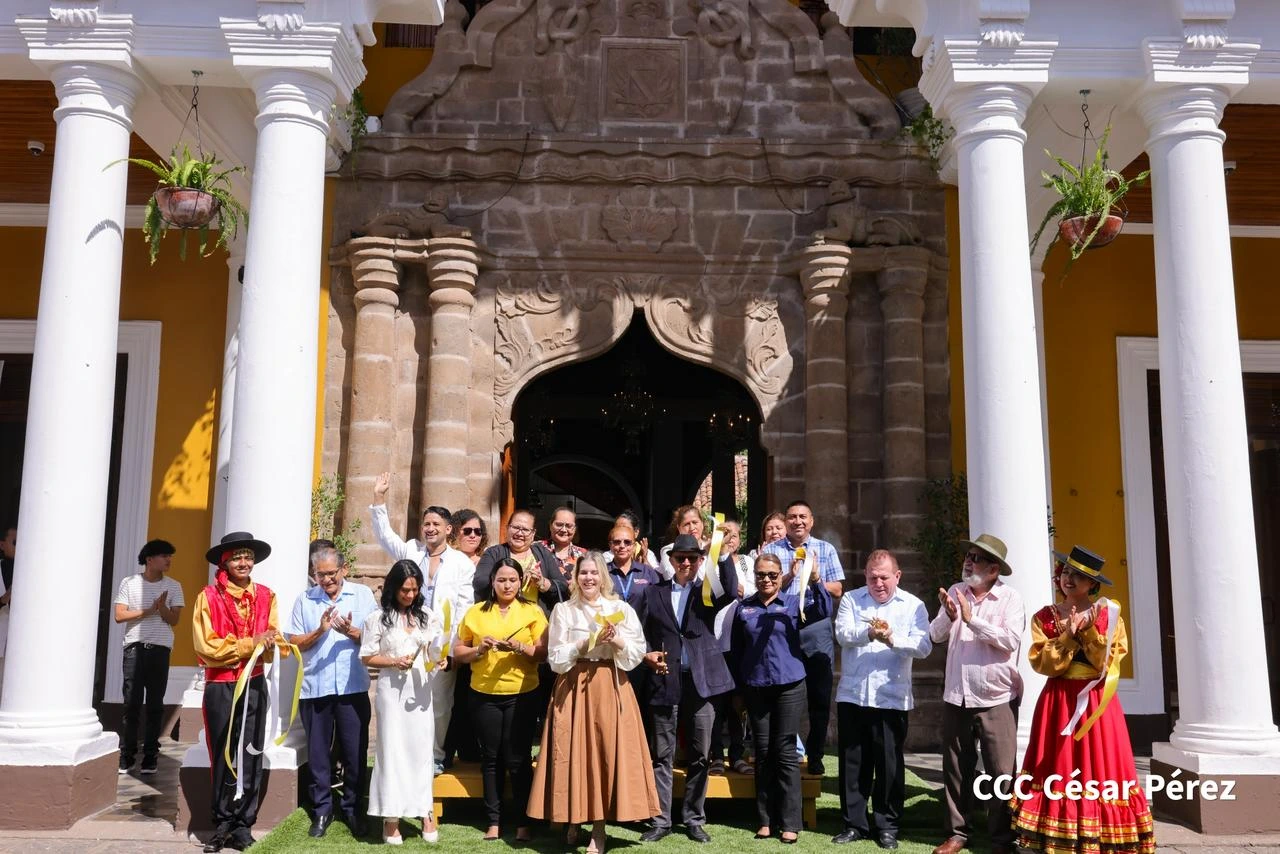
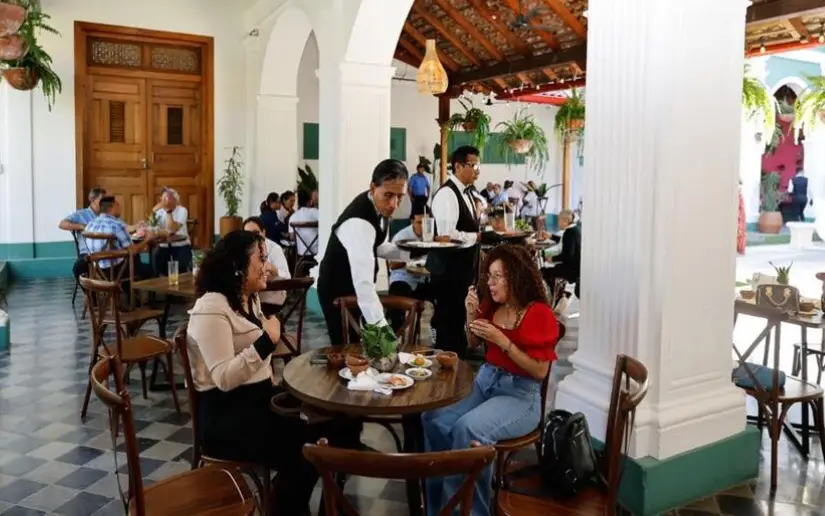
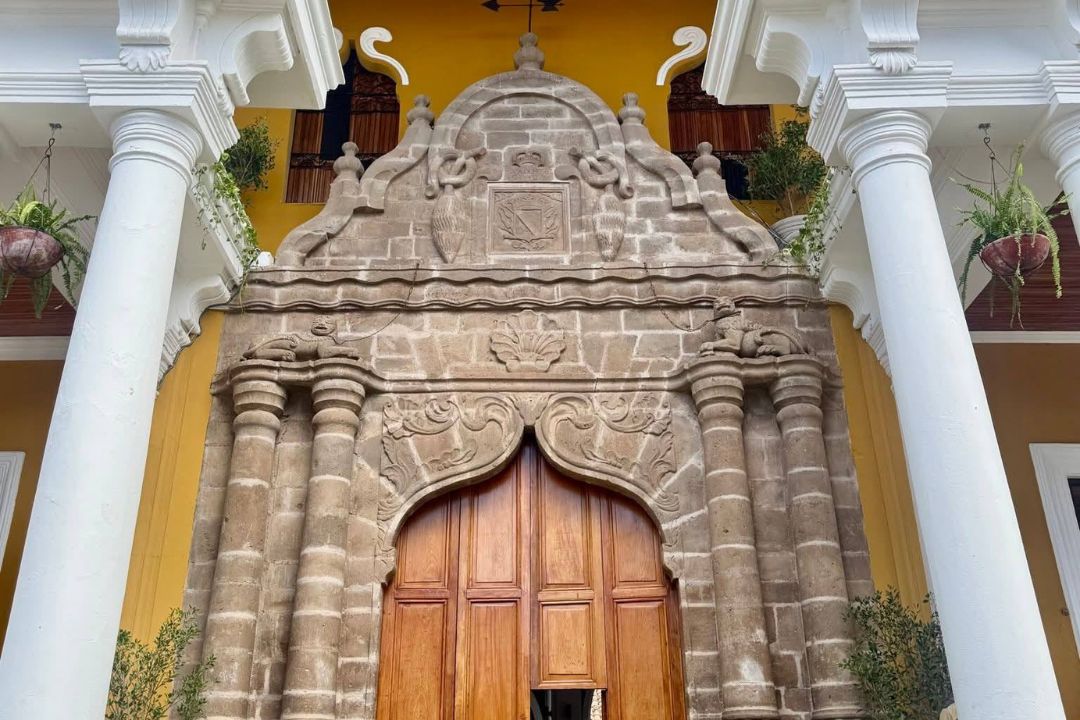
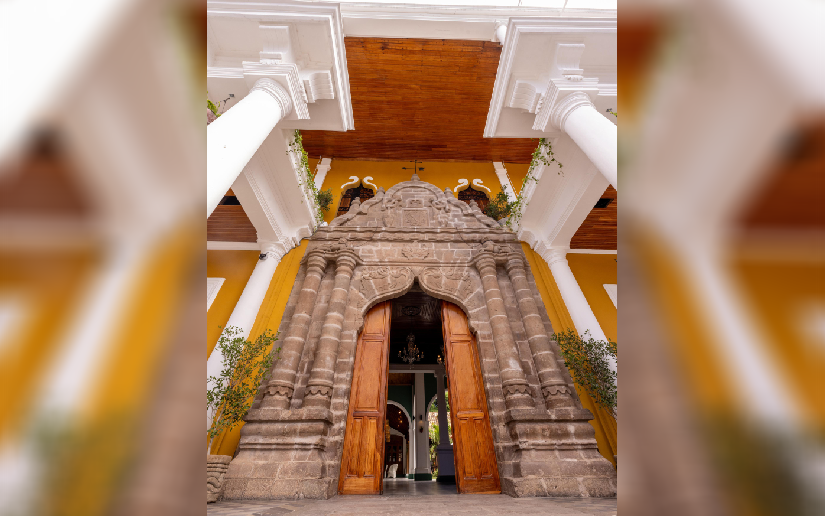
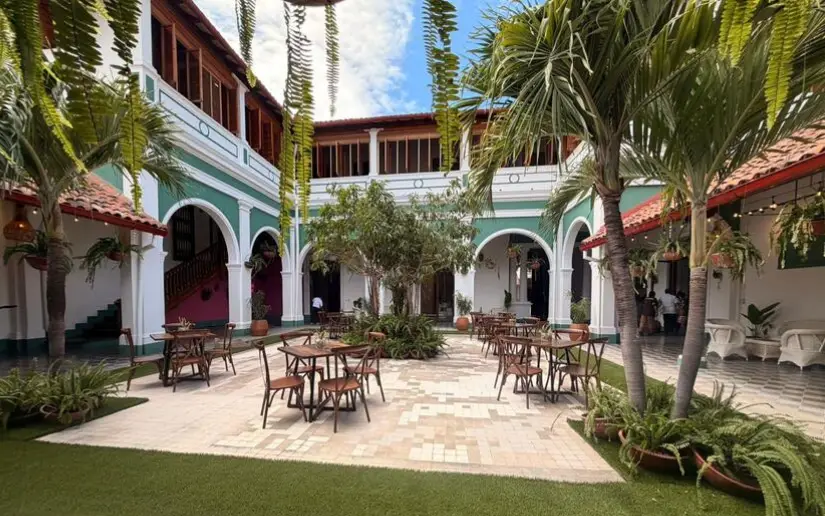
Nicaraguan and international coverage agrees that the Casa de los Tres Mundos, a colonial-era building in Granada dating from around 1720, has been formally declared National Cultural Heritage by a presidential decree, identified in pro-government reports as Decree No. 02-2026. Both opposition and government-aligned outlets note that the site has been reopened to the public with a renewed role as a cultural center, hosting artistic and educational activities and incorporating new commercial services such as food and dining options within the restored palace. Reports agree that the building previously functioned as a well-known cultural institution under the name Casa de los Tres Mundos, and that the reopening was accompanied by official events and ceremonies featuring local authorities and community representatives.
Across the spectrum, coverage situates the move within a broader context of heritage preservation and the building’s long-standing importance to Granada’s urban and cultural landscape. Both sides recognize that the property was historically administered by the Fundación Casa de los Tres Mundos, an institution linked to artistic and educational programs, and that the space has long been considered an emblematic site for promoting Nicaraguan culture, art, and tourism. There is shared acknowledgment that the government now asserts direct responsibility for the building and frames its current phase as a renewal or new stage, seeking to maintain its colonial essence while adapting its use for contemporary cultural and social activities.
Points of Contention
Nature of the takeover. Opposition-aligned outlets frame the change in control as a confiscation or seizure of property, stressing that the Casa de los Tres Mundos was taken from the Fundación Casa de los Tres Mundos after the NGO was outlawed alongside hundreds of other organizations. Government-aligned coverage avoids the language of confiscation, instead presenting the state’s intervention as a legal and orderly transition tied to the declaration of National Cultural Heritage. While critics underline the abrupt loss of an independent civic institution, official narratives emphasize continuity and legality in the building’s new administrative status.
Motives and objectives. Opposition sources argue that the declaration of heritage status and the relaunch are primarily political acts designed to erase the memory of the confiscation and consolidate regime control over independent cultural spaces. They portray the heritage decree and reopening as part of a broader strategy to appropriate respected institutions and recast them as regime achievements. In contrast, government-aligned outlets highlight motives of cultural preservation, educational promotion, and service to “families of Granada,” stressing commitments to art, history, and tourism rather than power consolidation.
Characterization of the new use. Opposition reporting stresses the introduction of commercial establishments, such as a pizzeria and ice cream shop, as evidence that the regime is commodifying a once-independent cultural center and diluting its original mission. They imply that these businesses symbolize the transformation of a critical artistic space into a controlled, semi-commercial showcase for the government. Government-aligned coverage, however, presents the same amenities as positive enhancements that make the heritage site more accessible and vibrant, integrating leisure, culture, and community activity while preserving the building’s historical identity.
Historical narrative and symbolism. Opposition outlets contend that the government is redefining history by downplaying or omitting the role of the dissolved foundation and the broader crackdown on NGOs, thereby rewriting the institution’s legacy under official branding. They describe the ceremony delivering the House of the Three Worlds to Granada’s families as a propagandistic rebranding that masks prior repression of civil society. Government-aligned media instead foreground the symbolism of national pride and inclusive cultural development, framing the handover as the state rescuing and elevating an emblematic heritage space for the people, with little or no mention of the earlier non-profit management.
In summary, opposition coverage tends to frame the Casa de los Tres Mundos decision as a politically motivated confiscation and historical rewrite aimed at consolidating regime control over culture, while government-aligned coverage tends to depict it as a lawful, celebratory renewal of a treasured heritage site dedicated to art, education, tourism, and the well-being of Nicaraguan families.