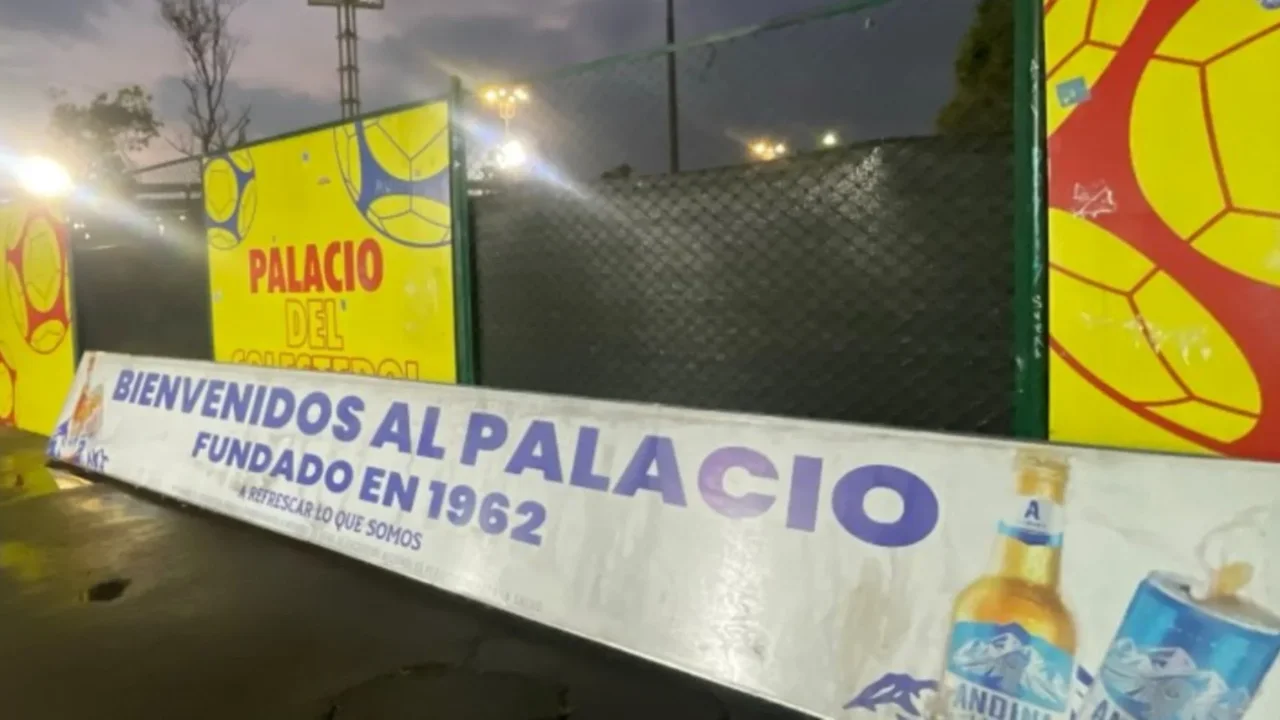
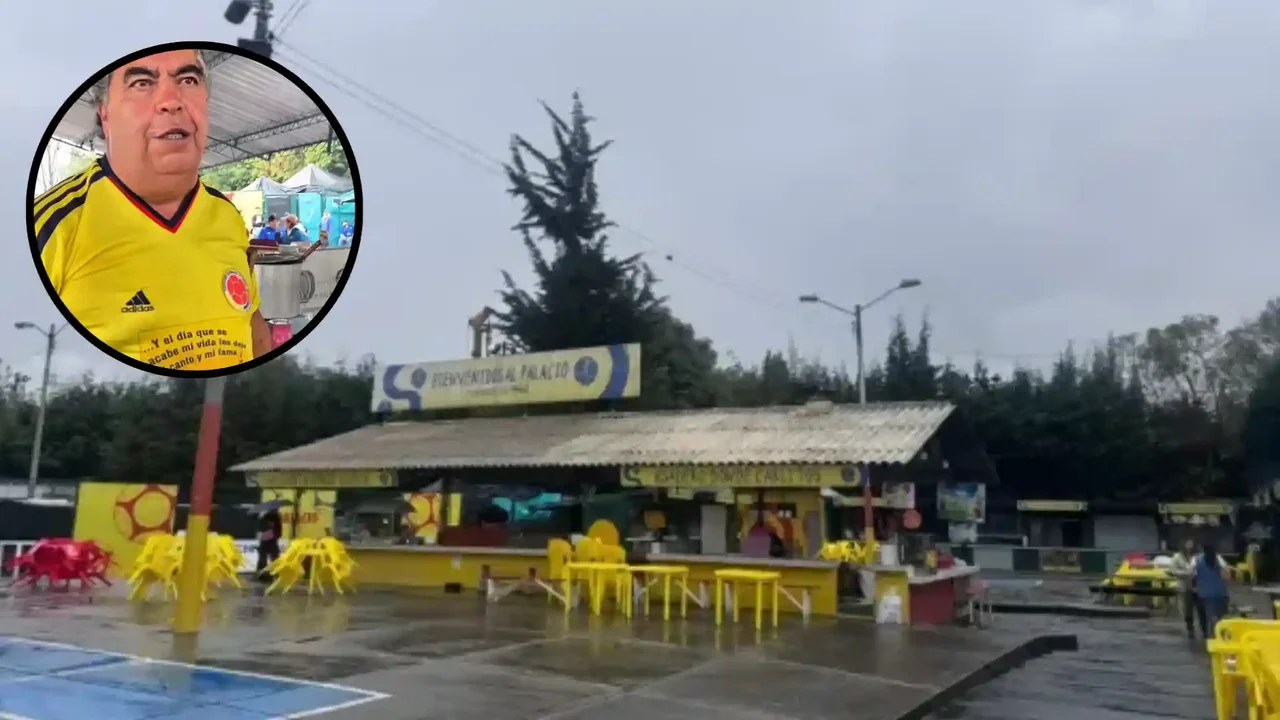
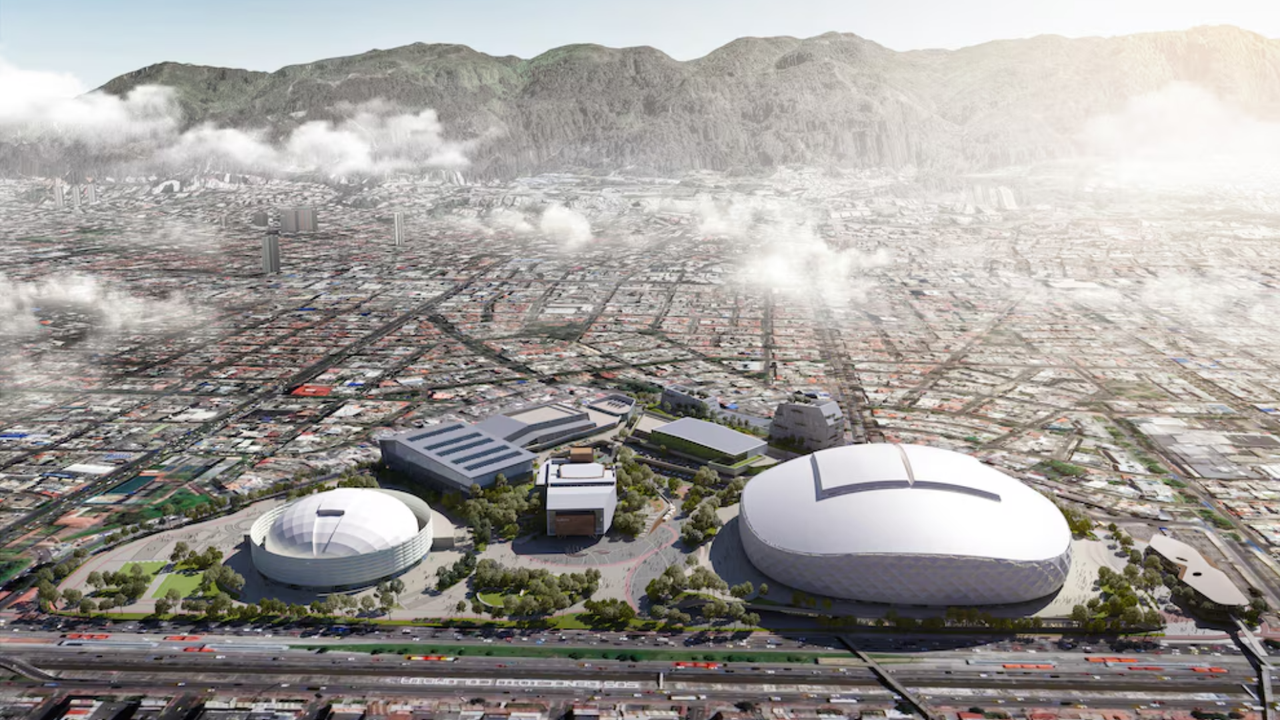
Bogotá media across the spectrum report that the Palacio del Colesterol, the cluster of traditional food stalls next to the Nemesio Camacho El Campín stadium, has closed at its historic location because of the major renovation and modernization of the stadium and surrounding sports‑cultural complex. Coverage agrees that the closure, framed either as temporary or definitive depending on the business, affects around 15 vendor families who have operated there for decades, with emblematic figures like Don Carlos ending more than 60 years of work. Reports coincide that operations at the traditional site ended in early February 2025 (with some noting February 1, others February 2 as the last day of service), that demolition of the old structure is part of the new stadium project, and that vendors are being shifted to a provisional food‑truck and temporary sales area behind or near El Campín during what is described as roughly a two‑year construction period.
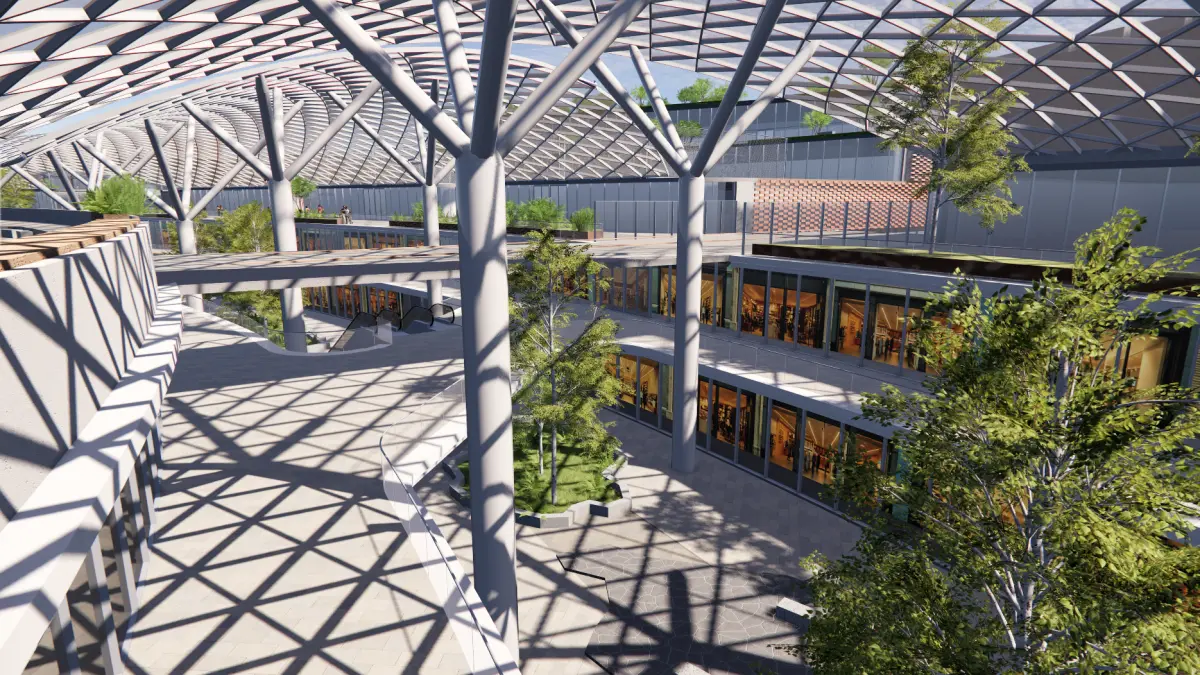
Both sides also agree that the Palacio del Colesterol has been an iconic meeting point for Bogotá football fans since the 1960s, closely tied to Independiente Santa Fe and Millonarios matchdays and to the broader identity of the Teusaquillo area. They describe it as a traditional gastronomic enclave known for typical dishes and late‑night gatherings, which had already experienced waves of controversy and health‑regulation pressure in past decades and now faces change under an urban renewal model centered on a public–private concession for the El Campín complex. There is shared acknowledgment that the concessionaire Sencia is responsible for implementing the transition plan, that some form of formalization process is being required of the merchants (with technical, legal, and operational conditions), and that the official long‑term model envisions integrating a regulated gastronomic zone into the new stadium complex so that at least part of the Palacio’s commercial activity can return in a different, more formal configuration.
Points of Contention
Nature of the closure and its permanence. Opposition‑aligned outlets tend to frame the shutdown of the Palacio del Colesterol as a de facto definitive disappearance of a popular landmark, emphasizing uncertainty about whether the same spirit, prices, or vendors will truly return after construction. Government‑aligned coverage stresses that the closure is mainly operational and spatial, insisting that the project is a transformation rather than an eradication and that the Palacio will be reincorporated as a formal gastronomic zone in the new complex. While critical media highlight merchants like Don Carlos who are retiring permanently as emblematic of an ending era, official‑leaning reports downplay the notion of final loss and instead showcase the transition as an opportunity for modernization.
Responsibility and treatment of vendors. Opposition sources typically underscore tensions around the concession contract, high costs, and strict requirements that some merchants say they cannot meet, suggesting the city and concessionaire are pushing small vendors out in favor of more corporate operators. Government‑aligned outlets place greater emphasis on the dialogue tables held since late 2024, the provision of temporary food‑truck spaces, and the promise of a guaranteed place for formalized merchants in the future complex, portraying authorities as facilitators rather than aggressors. While critics stress unmet promises and uneven bargaining power between informal sellers and the concessionaire, official‑friendly narratives focus on the benefits of formalization, technical support, and legal security for those who adapt.
Symbolism versus modernization benefits. Opposition coverage often leans into the cultural and emotional symbolism of the Palacio, foregrounding fans’ nostalgia and the loss of a working‑class social space to what they cast as a commercial mega‑project prioritized by City Hall. Government‑aligned media counterbalance that nostalgia with detailed descriptions of the future stadium’s advantages, such as improved infrastructure, safety, cultural programming, and a revamped gastronomic offer that they argue will still honor local tradition. While critical voices worry that modernization will sanitize and gentrify the matchday experience, pro‑government reports frame the same process as long‑overdue urban renewal that can elevate both the area’s image and vendors’ livelihoods.
Transparency and public interest. Opposition‑leaning outlets tend to raise doubts about the concession’s transparency and the extent to which citizen and merchant input genuinely shaped the project, hinting that economic interests may weigh more than community heritage. Government‑aligned reporting highlights the formal approval routes, the public–private investment rationale, and the idea that the broader Bogotá public will benefit from a modern sports and cultural complex, not just football fans or nearby businesses. Where critics suggest a democratic deficit and potential favoritism in the way the project is being implemented, official‑friendly pieces emphasize institutional procedure, legal compliance, and the framing of the project as aligned with the city’s long‑term development plans.
In summary, opposition coverage tends to portray the Palacio del Colesterol’s closure as the emblematic loss of a popular, working‑class space to a top‑down mega‑project that treats vendors precariously, while government‑aligned coverage tends to depict it as a managed, negotiated transition in which a cherished tradition will be upgraded, formalized, and ultimately preserved within a modernized El Campín complex.