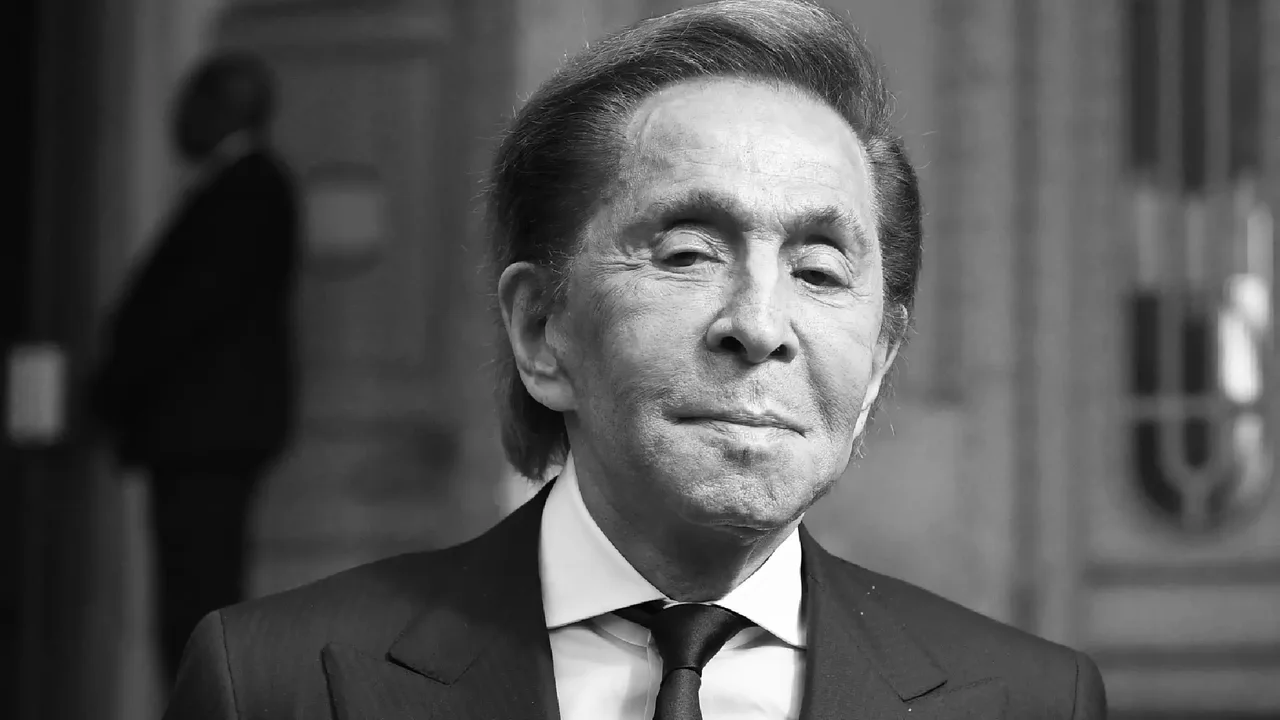
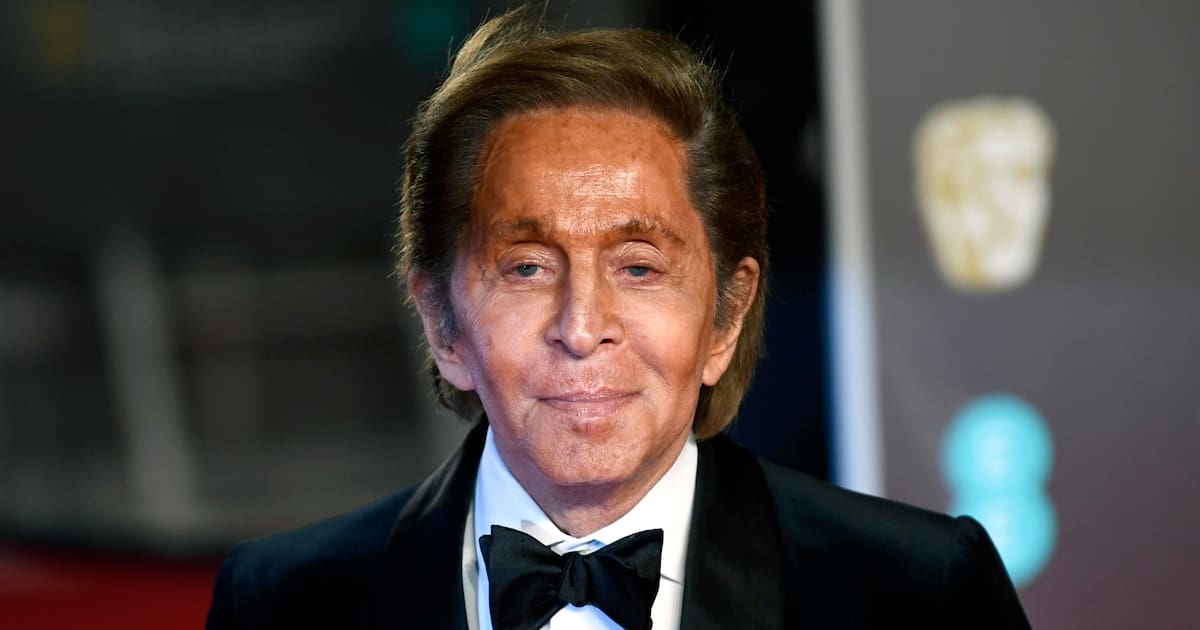
Valentino Garavani, the iconic Italian fashion designer and founder of the Valentino fashion house, died in Rome at the age of 93, a fact reported consistently across both opposition and government-aligned outlets. Both sides agree that his death was announced by the Valentino Garavani and Giancarlo Giammetti Foundation and via official brand channels, that he passed away at his Roman residence surrounded by loved ones, and that public viewings and a funeral will take place in Rome around January 23. They highlight his status as one of the last great masters of haute couture, emphasize his signature "Valentino Red" and reputation as an "emperor of red" or of haute couture, and note that his designs dressed celebrities, aristocracy, and royalty worldwide. Both camps further concur that his passing has triggered an outpouring of tributes from the global fashion community, recognizing him as a defining figure of twentieth-century and early twenty-first-century fashion.
Coverage on both sides situates Valentino within the broader history of Italian and European fashion: his early training in Paris, the founding of his house in Rome in the late 1950s, and a roughly 45-year career that culminated in a celebrated final runway show in Paris in 2008. Opposition and government-aligned sources alike frame him as a symbol of Italian elegance and craftsmanship who helped cement Italy’s place in global luxury fashion, underlining his meticulous couture techniques, timeless silhouettes, and the institutional legacy of the Valentino brand and foundation. They stress the continuity between his personal artistry and the enduring influence of his maison, presenting his death less as an abrupt rupture than as the closing of a historic chapter whose aesthetic codes, especially his red and his approach to glamour, continue to shape contemporary design and cultural memory.
Points of Contention
National symbolism and state role. Opposition-aligned outlets tend to focus on Valentino as a global creative figure whose legacy belongs primarily to the international fashion world, mentioning tributes and institutional responses but giving relatively little prominence to the Italian state. Government-aligned coverage, by contrast, strongly underscores national pride, describing him as an eternal symbol of Italian elegance and highlighting mourning and praise from government figures as evidence of a shared national asset. Where opposition pieces implicitly universalize his influence beyond borders, government-leaning reports more explicitly frame his death as a moment of national commemoration and soft-power reflection.
Framing of legacy and power. Opposition sources emphasize Valentino’s long career building a fashion empire, his inventive use of red, and his role in elevating haute couture as an art form, presenting power mainly in terms of cultural capital and star-studded clientele. Government-aligned outlets adopt a more exalted, sometimes hyperbolic tone, calling him the last great emperor of haute couture and an undisputed master, and positioning his authority as almost institutional, akin to a cultural monument. While both see him as towering, opposition coverage leans toward detailed craft and industry impact, whereas pro-government narratives stress his quasi-official status as a canonized cultural leader.
Tone toward celebrity and elitism. Opposition coverage highlights celebrities, aristocrats, and royalty wearing Valentino to illustrate his reach but often balances this with references to his technical mastery and longevity, subtly grounding his success in work rather than elite networks alone. Government-aligned reports more readily glamorize his proximity to stars and high society, folding that into a celebratory narrative of Italian luxury and prestige. As a result, opposition stories read as slightly more industry- and craft-centered, while government-aligned pieces treat celebrity endorsement and elite clientele as integral to a proud national success story.
Historical positioning. Opposition outlets frame his death as the end of a long chapter in haute couture, noting his final Paris show in 2008 and the continuity of the brand and foundation as guardians of his artistic heritage. Government-aligned media more forcefully cast him as the last great emperor or final giant of a bygone era, using his passing to mark a symbolic turning point for both Italian fashion and national cultural history. Both agree on his importance, but opposition pieces situate him among many influential designers, whereas government-aligned narratives elevate him as uniquely singular in closing an epoch.
In summary, opposition coverage tends to universalize Valentino as a global fashion artist whose prestige rests on craft, innovation, and industry influence, while government-aligned coverage tends to nationalize his image, foregrounding state tributes, Italian pride, and his elevation as a nearly official emblem of the country’s cultural grandeur.