government-aligned
¿Qué está pasando con los trenes en España?: dos accidentes mortales ocurrieron en 48 horas
España atraviesa horas de conmoción tras registrar dos accidentes ferroviarios de extrema gravedad en menos de 48 horas.
4 months ago
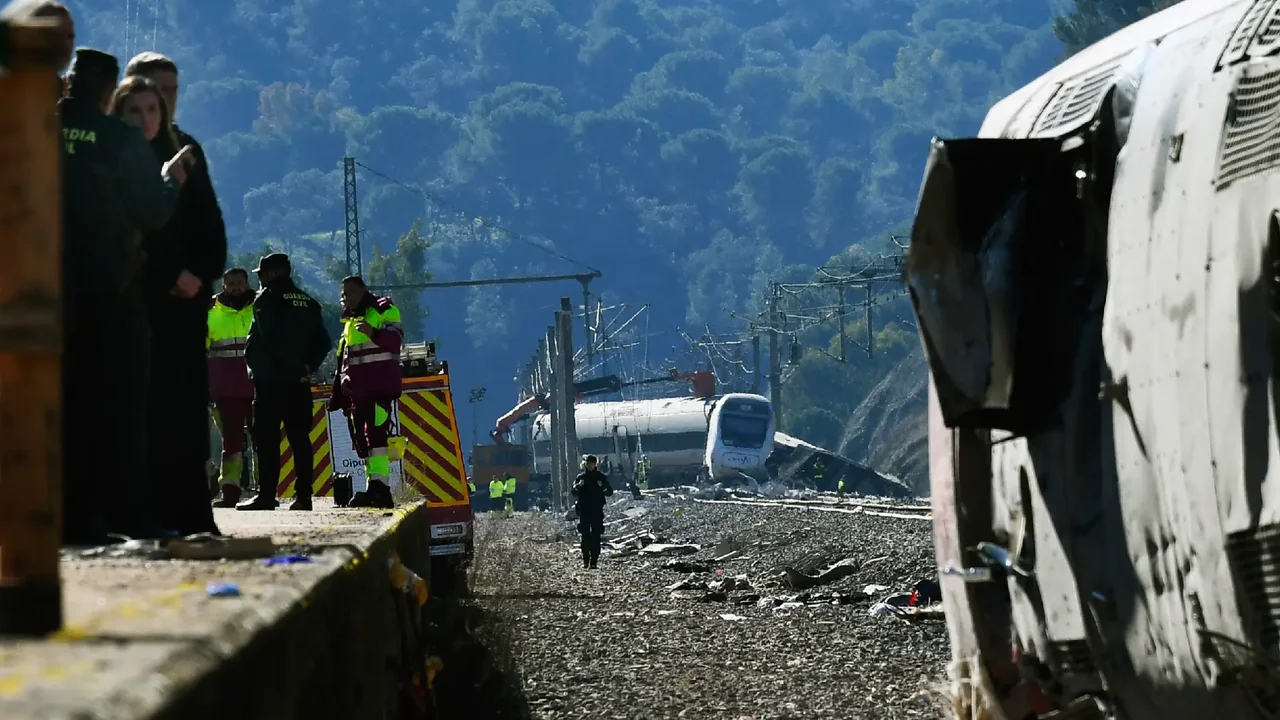
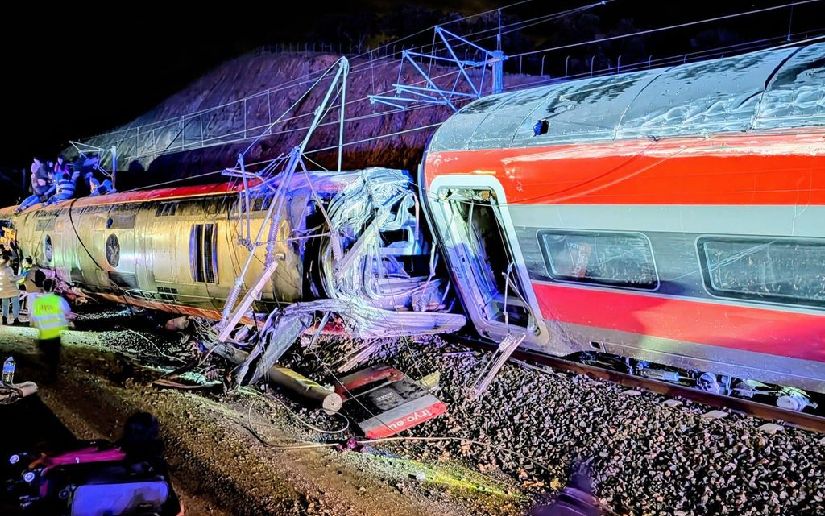
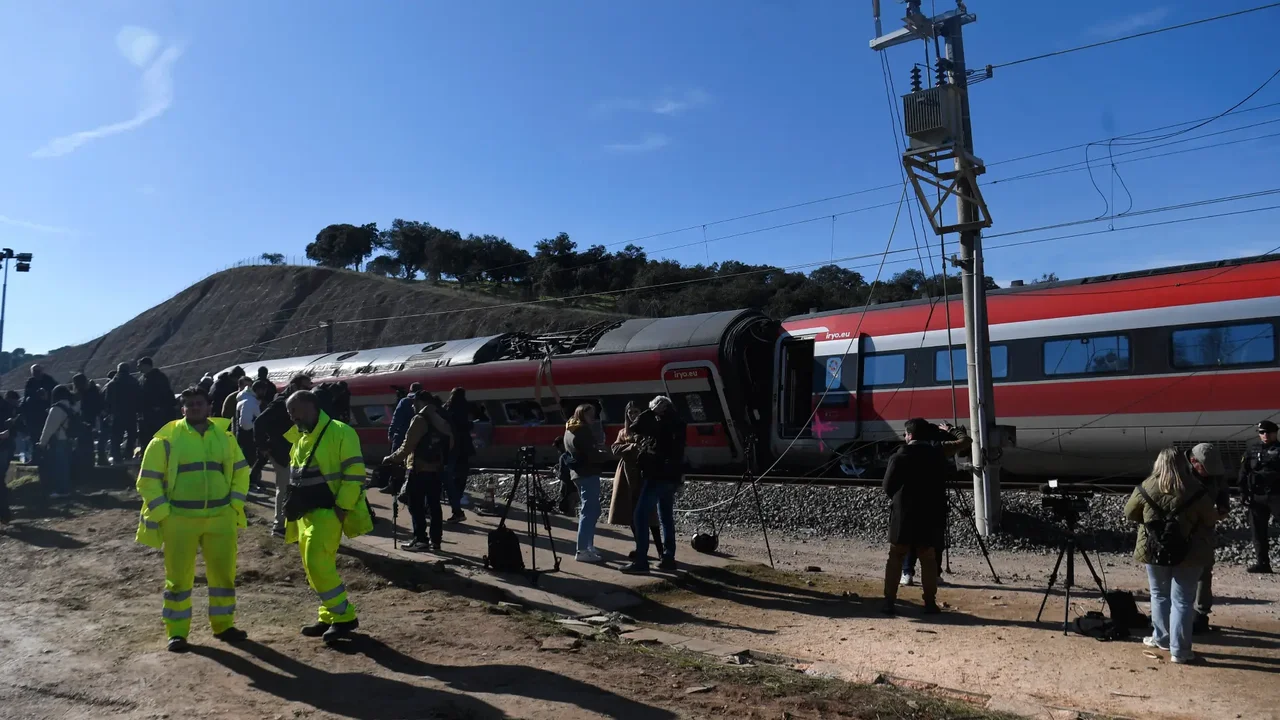
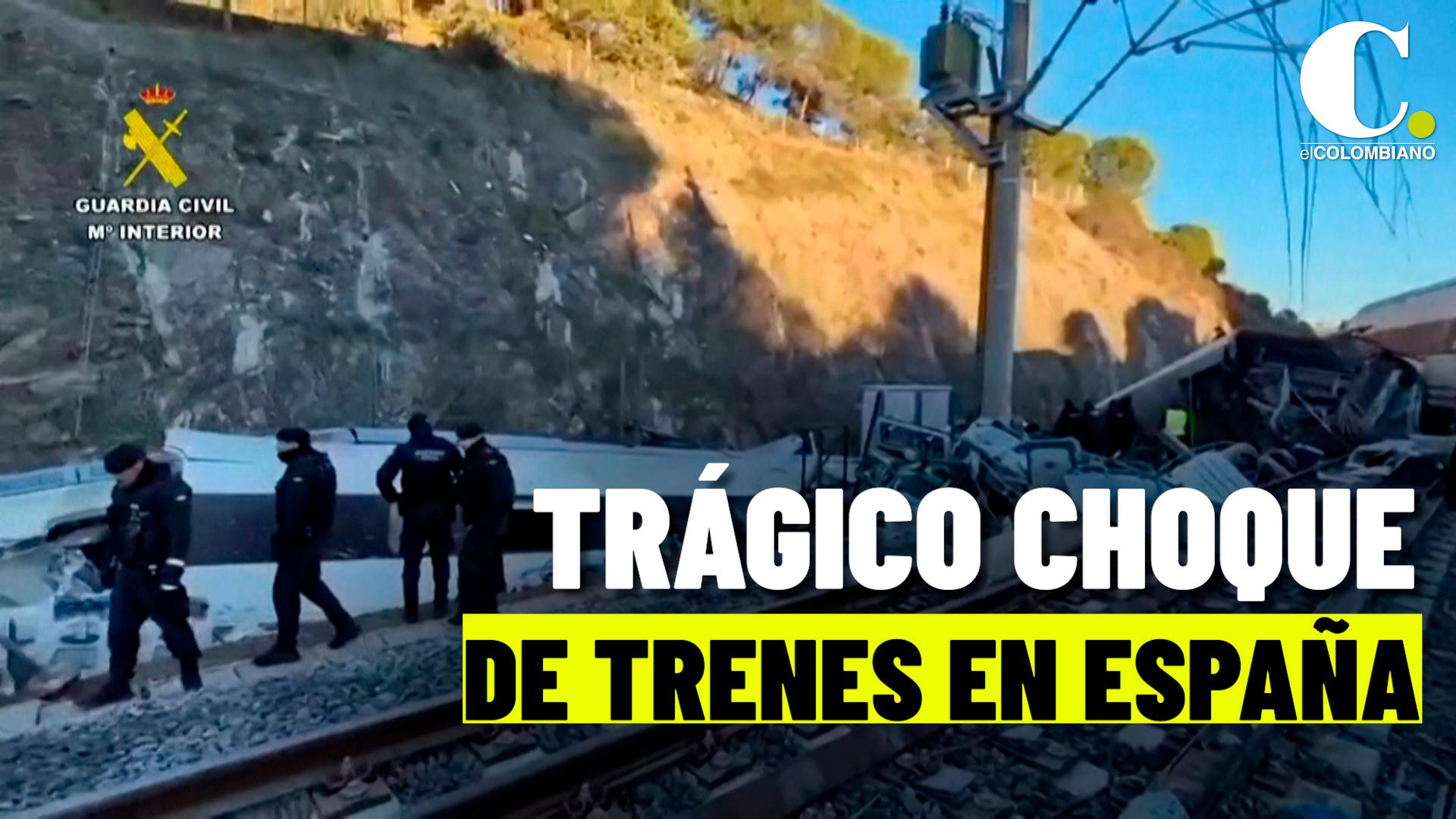
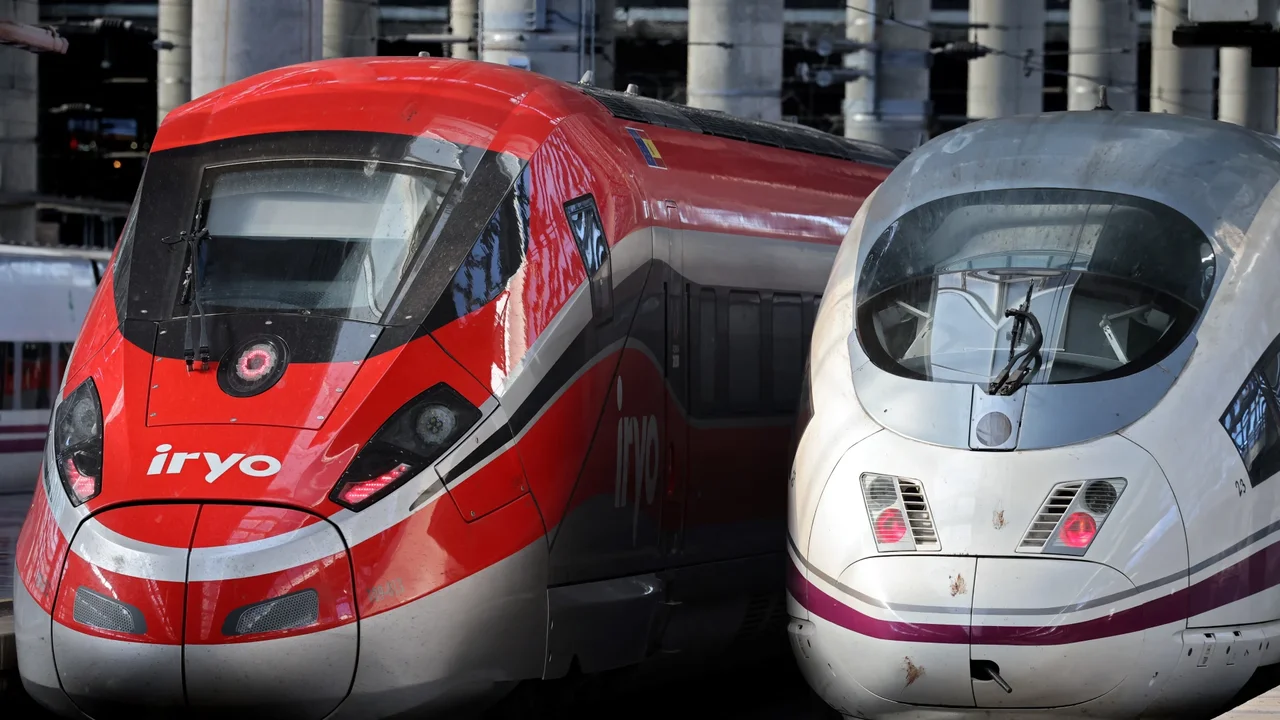
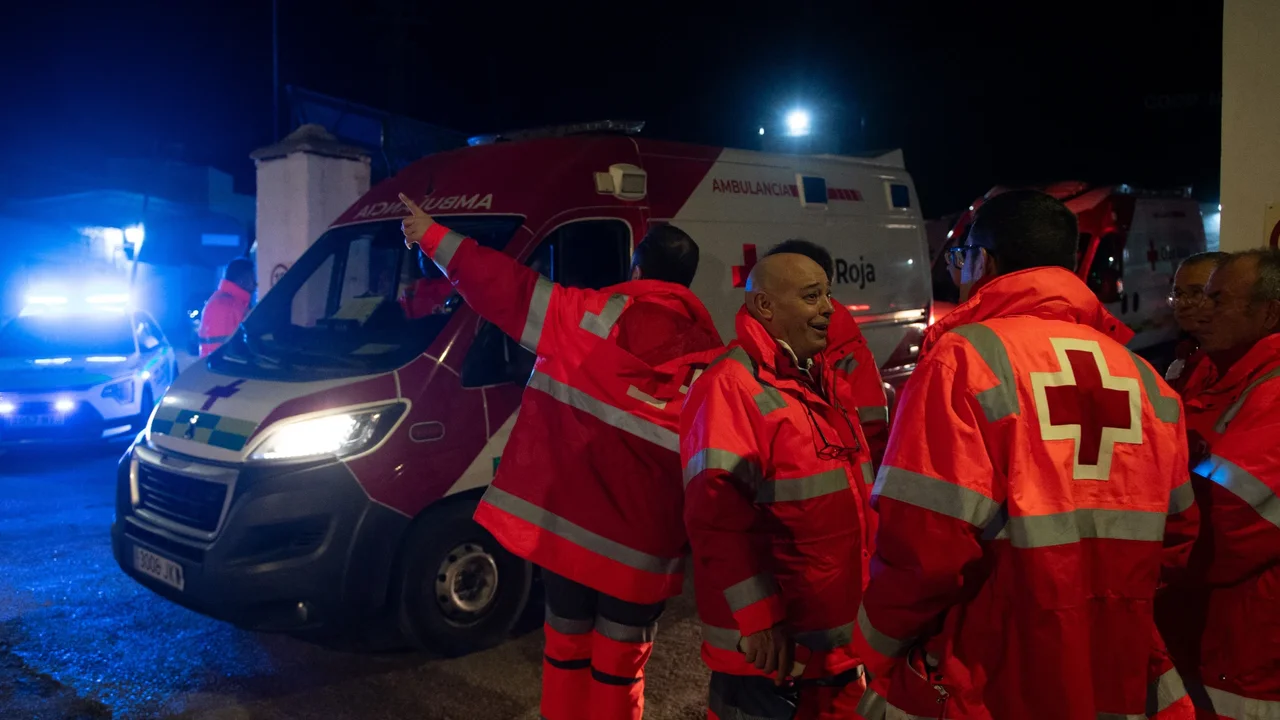
A collision between two passenger trains in southern Spain, near Adamuz in the province of Córdoba, has left around 40 people dead and well over 150 injured according to both opposition and government‑aligned outlets. The accident occurred on Sunday, January 18, when an Iryo high‑speed service from Málaga to Madrid derailed and its last carriages invaded the adjacent track, where they were struck by a Renfe/Alvia train traveling between Madrid and Huelva. Reports from both sides describe catastrophic scenes in and around the wrecked wagons, an unknown but significant number of passengers initially trapped, and a large‑scale emergency response that included suspension of high‑speed rail service between Madrid and Andalusia. Both types of coverage note that the death toll rose over time—from initial counts of a handful of fatalities to at least 39 and then 40—as rescuers recovered bodies and critically injured passengers succumbed to their wounds.
Across both opposition and government‑aligned media, there is agreement that Spanish authorities have launched a major investigation led by transport and rail‑safety institutions, supported by more than 220 members of the Civil Guard and technical experts. Coverage from both sides stresses that the key technical questions center on why the Iryo train derailed on a straight, recently renovated stretch of track where trains had recently undergone maintenance, and whether a suspected broken section of rail was the cause or a consequence of the derailment. Both perspectives highlight that the crash is one of the most serious train accidents in Europe in recent years, prompting scrutiny of high‑speed rail safety systems, track integrity, and maintenance protocols. There is also shared focus on the broader institutional response: identification of victims, care of the injured, messages of solidarity from foreign governments, and public commitments from Spain’s leadership to clarify what happened and, if needed, pursue reforms to prevent a similar tragedy.
Responsibility and blame. Opposition‑aligned outlets emphasize potential failures in infrastructure and oversight, repeatedly pointing to the mystery of a derailment on a straight, recently renovated section of track and raising the possibility of negligence in maintenance or system supervision. Government‑aligned coverage, in contrast, largely avoids assigning responsibility and instead frames the event as a tragic accident under investigation, focusing on condolences and solidarity messages from other governments. While opposition reports foreground questions about whether the broken rail reflects deeper systemic problems, government‑aligned stories present the cause as unresolved and stress that authorities are already doing what is necessary.
Emphasis on investigation versus mourning. Opposition media devote substantial space to the technical investigation—detailing the suspected track break, the configuration of the trains, and the role of safety protocols—while still mentioning official expressions of grief. Government‑aligned outlets give priority to emotional narratives, survivor testimonies, and diplomatic statements of sympathy from friendly governments such as Nicaragua and Venezuela, relegating investigative details to shorter mentions. As a result, opposition coverage reads as more forensic and accountability‑oriented, whereas government‑aligned coverage leans toward human interest and international solidarity framing.
Portrayal of government performance. Opposition‑aligned reports highlight Prime Minister Pedro Sánchez’s pledge of “complete transparency” while implicitly testing that promise by underlining unanswered questions about track conditions and recent works on the line. Government‑aligned outlets present Spanish authorities as responsive and responsible, focusing on rapid deployment of emergency services, large‑scale mobilization of the Civil Guard, and the symbolic significance of foreign leaders addressing messages directly to the king and prime minister. In opposition narratives, the government’s actions are part of a story about potential institutional shortcomings, while in government‑aligned narratives, they illustrate efficient crisis management and national unity.
Scale and framing of the tragedy. Opposition coverage consistently stresses that this is one of the most severe train accidents in Europe this century, underlining the high casualty figures and the possibility that the toll could still rise. Government‑aligned outlets sometimes report lower or evolving death counts in early pieces and focus more on the drama of the incident—“shocking images,” “heart‑rending accounts”—than on placing it within a broader pattern of rail‑safety risks. Thus, opposition sources tend to situate the crash in a systemic and comparative context, while government‑aligned sources frame it primarily as an exceptional, sorrowful national disaster.
In summary, opposition coverage tends to spotlight structural and institutional questions, repeatedly linking the tragedy to potential failures in rail safety oversight and demanding clear answers, while government-aligned coverage tends to center on grief, solidarity, and the competence of the official response, treating the causes as a technical matter that authorities are already handling.