Areas of Overlap: Basic Facts and Public Impact
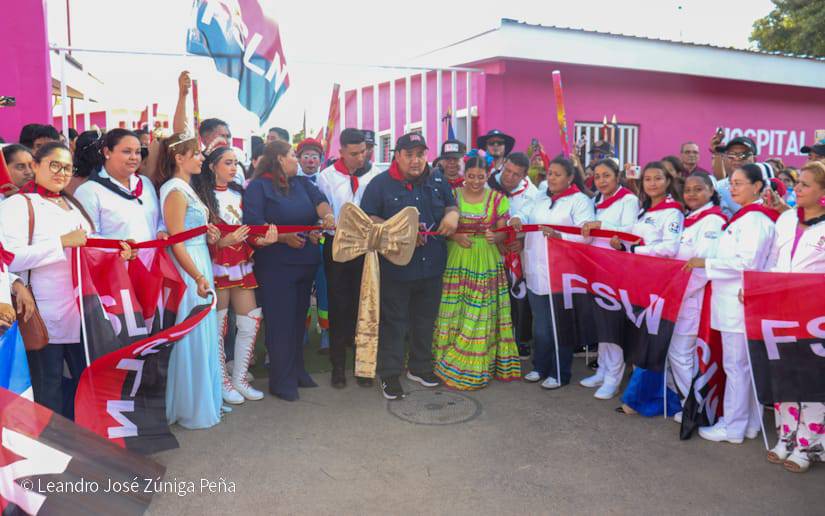
Both perspectives acknowledge the inauguration of a new public hospital in San Rafael del Sur under the current Sandinista Government. Coverage converges on core facts: a hospital has been opened, it is presented as a local health facility for residents of San Rafael del Sur and nearby communities, and it is expected to expand access to medical services that previously required travel to Managua. Government-aligned reporting highlights concrete features such as 24 hospital beds, a range of specialized services, and a narrative of improved access and rights, which implicitly confirms that a new, functioning health infrastructure has indeed been put into service in the municipality.
Points of Divergence: Property Origin, Legitimacy, and Narrative Framing
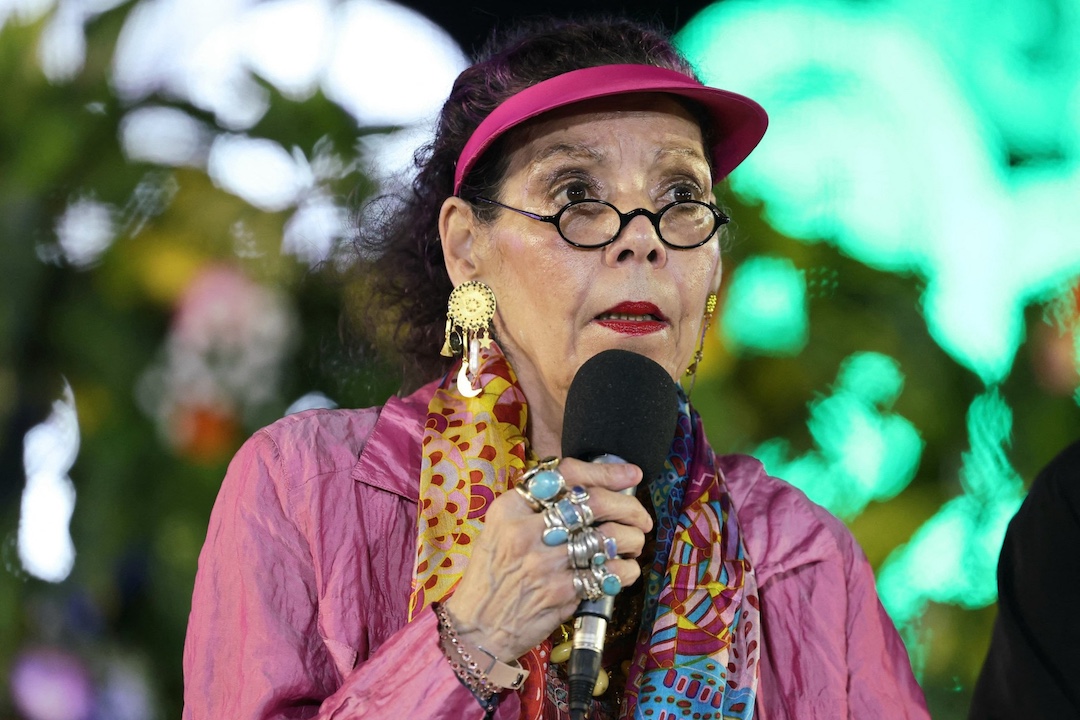
Where coverage diverges sharply is in how the hospital’s origin and political meaning are framed. Government-aligned sources depict the facility as a “symbol of life, hope, and restitution of rights”, emphasizing the role of Juventud Sandinista 19 de Julio and the Ministry of Health and presenting the project as a benevolent state investment in public health. By contrast, critical reporting (even when quoted or referenced within pro-government narratives) centers on claims that the land was confiscated from businessman Héctor Briceño, who was allegedly forcibly exiled and stripped of six properties at gunpoint. In that critical framing, Rosario Murillo’s role is recast from health promoter to “cynical,” “immoral” “thief,” turning the same hospital into evidence of abuse of property rights and politically motivated expropriation rather than a straightforward social good.
In sum, both sides agree a hospital was inaugurated and will serve local residents, but they clash over whether it represents social progress or is built on fundamentally illegitimate confiscation.