Areas of Agreement

Both opposition and government-aligned outlets agree on the core facts of the incident involving the Nicaraguan Navy and two Salvadoran nationals. They coincide that:

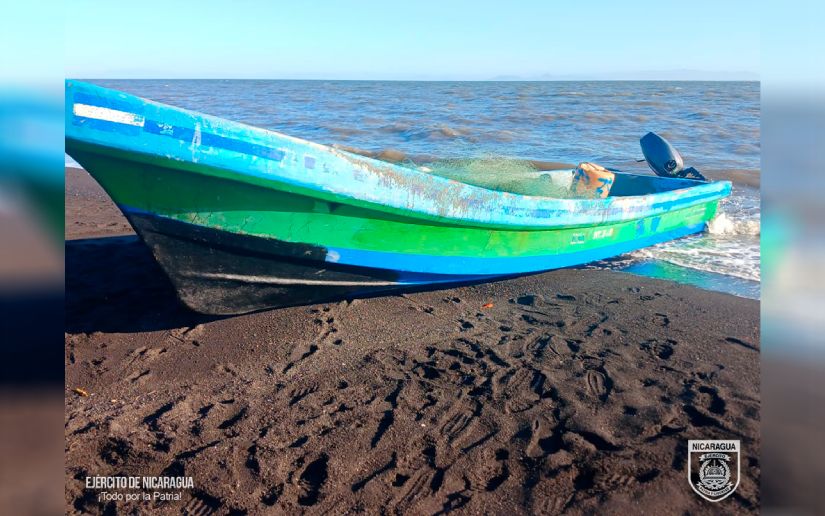
  • A Salvadoran-flagged vessel was intercepted in Pacific waters near the Golfo de Fonseca, northwest of the Farallones de Cosigüina, about 1.5 nautical miles off the coast of Chinandega.
  • Two Salvadorans, one an adult (Santos Ulises Canales Izaguirre) and one a minor, were detained on board.
  • The Nicaraguan Naval Force / Army carried out the operation as part of its patrol and surveillance activities and later handed the detainees over to the competent authorities.

Areas of Divergence

Where they diverge is in framing, emphasis, and political interpretation of the event. Opposition outlets:

  • Highlight illegal fishing as the main alleged offense and link the case to broader maritime disputes and territorial claims in the Golfo de Fonseca involving Nicaragua, El Salvador, and Honduras.
  • Imply tension and ambiguity over maritime boundaries, suggesting the detention occurs in a context of regional dispute rather than a straightforward border violation.

Government-aligned outlets, by contrast:

  • Emphasize “ingreso ilegal en aguas nicaragüenses” (illegal entry into Nicaraguan waters) and the Army’s institutional motto and duty, portraying the operation as a clear-cut act of sovereignty defense.
  • Focus on operational details (location, unit involved, transfer to authorities) and avoid references to regional disputes, framing the incident as a routine enforcement of Nicaragua’s territorial jurisdiction.

In sum, while both sides report the same basic incident and actors, opposition media situate it within a contested geopolitical and legal context, whereas government-aligned coverage underscores national sovereignty, discipline, and procedural normalcy, downplaying or omitting the wider regional dispute aspect.