Points of Agreement
Opposition and government-aligned outlets largely concur on the basic facts of the Interoceanic train derailment in southern Mexico. Both sides report at least 13 deaths and around 98 injuries, noting that 36 people remain hospitalized in serious condition. They identify the incident as occurring on the Interoceanic / Transístmico line (part of the Corredor Interoceánico del Istmo de Tehuantepec) connecting the Atlantic and Pacific oceans, and both stress that the Attorney General's Office and other authorities have opened investigations into the causes. Shared elements include:
- Casualty figures: At least 13 dead and 98 injured, with dozens hospitalized
- Location and project: The derailment occurred on the Interoceanic/Transístmico rail line in southern Mexico (Oaxaca), part of a strategic interoceanic corridor
- Nature of the accident: A derailment involving at least one locomotive leaving the tracks
- Official response: Confirmation that formal investigations into the causes are underway and safety conditions are under review
Points of Divergence
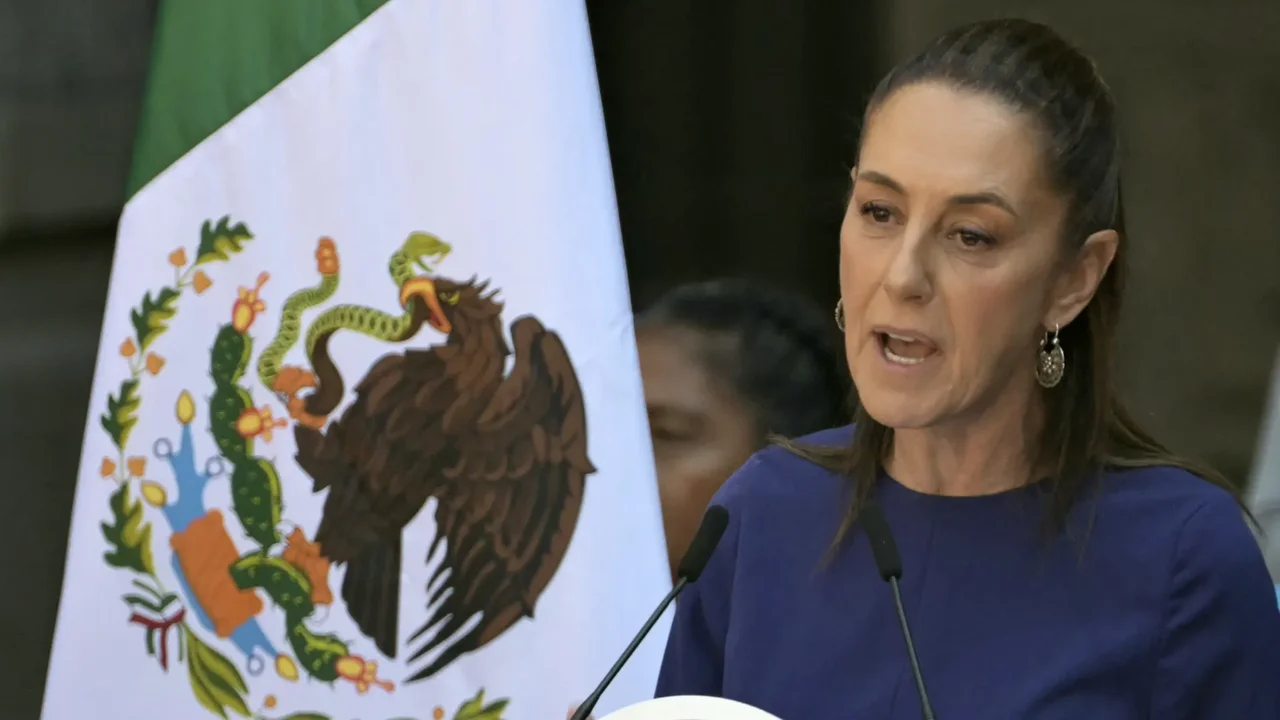
Coverage diverges most sharply in framing responsibility and political implications. Opposition outlets emphasize the accident as a failure or risk within a flagship mega-project, highlighting the Transístmico/CIIT branding and focusing on the need to clarify technical and managerial causes, implicitly raising questions about oversight and safety standards. In contrast, government-aligned outlets place heavier emphasis on the humanitarian and leadership response, foregrounding President Claudia Sheinbaum’s trip to Oaxaca, her meetings with the injured, and the fact that the line is a key infrastructure project inherited from the previous administration, which subtly distributes or shifts accountability. Government-friendly coverage also stresses that the derailment occurred despite a pre-departure safety check, suggesting an unforeseeable incident rather than systemic negligence.
Conclusion
Across outlets, the derailment is treated as a major national tragedy with broad agreement on the core facts, while political and media alignments shape how the project’s legacy, responsibility, and the president’s role are interpreted and prioritized in the narrative.