Areas of Agreement
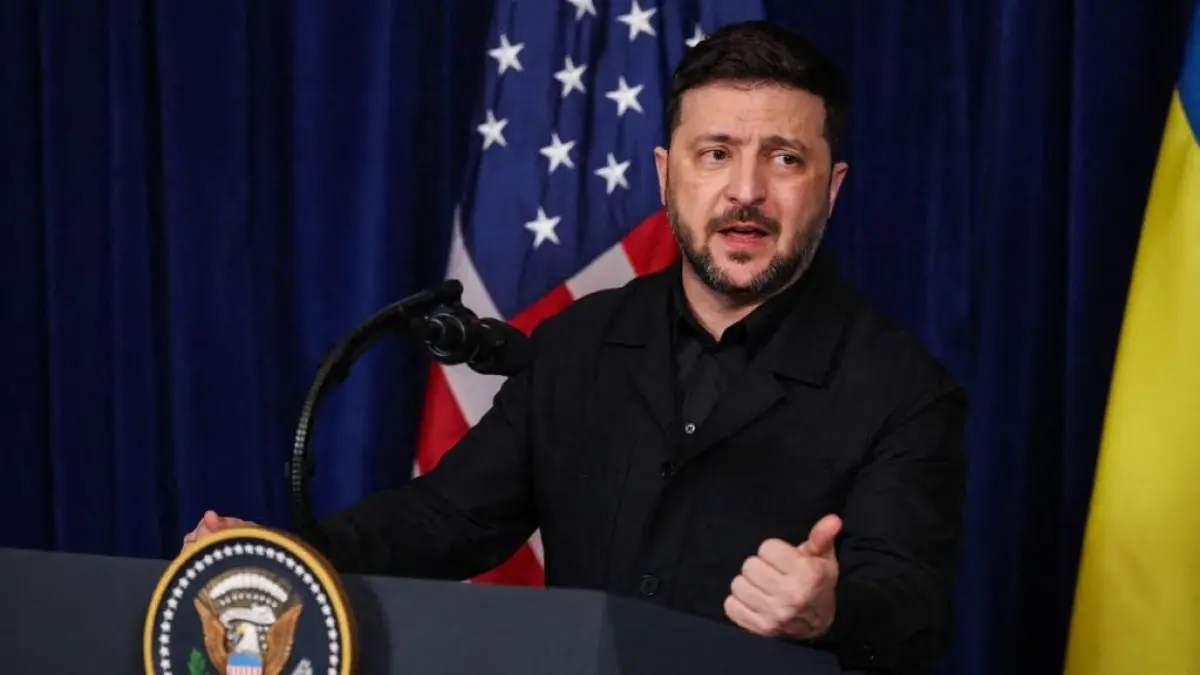
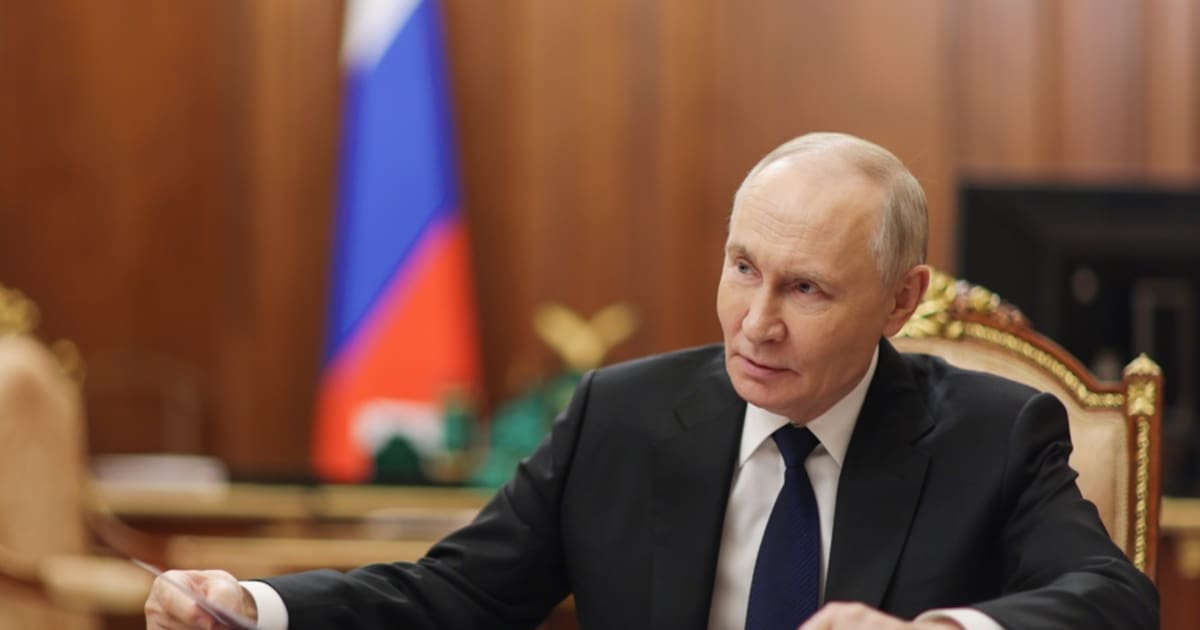
Opposition and government‑aligned outlets broadly agree on the core factual scaffolding of the episode: that Russia accuses Ukraine of launching a large‑scale drone attack (91 drones) against a Putin residence in Novgorod, that Russian air defenses allegedly repelled the attack with no reported casualties or serious damage, and that Ukraine and key Western actors deny responsibility. Both sides highlight similar actors and reactions: Sergey Lavrov's threats of consequences and hints at hardening Russia’s negotiating stance, Volodímir Zelenski’s categorical denial and insistence that Kyiv is not sabotaging diplomacy, and the skepticism of Western governments and intelligence about Moscow’s version of events.
- Both cite Russia’s claim of a “terrorist” or personal attack on Putin and reference official Russian videos of a downed drone.
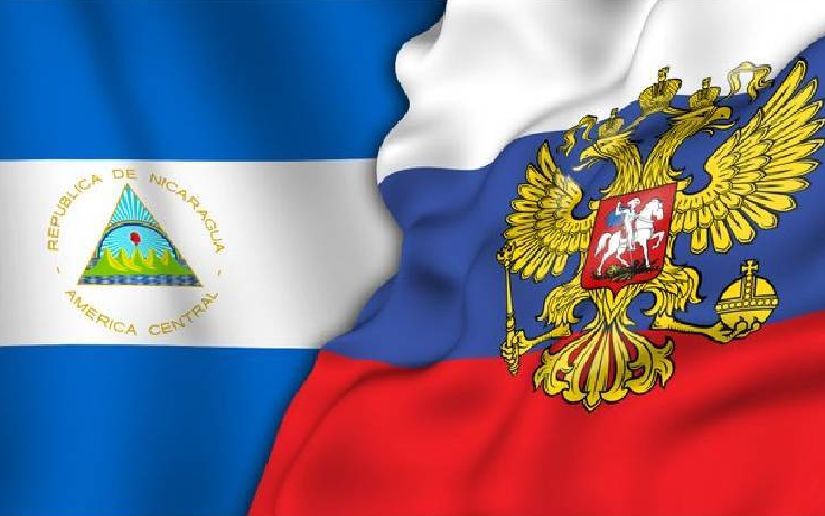
- Both describe Nicaragua’s leadership (Ortega–Murillo) sending a solidarity message to Putin, explicitly framing the incident as an attack on Russia.
- Both mention external scrutiny of the Russian narrative, including:
- France’s statement that there is no solid evidence backing Moscow’s claim.
- CIA assessments (via WSJ) finding no indications of a Ukrainian strike on Putin’s residence.
Areas of Divergence
Where they diverge most sharply is in framing, attribution of intent, and political meaning. Opposition outlets emphasize that Russia’s story is a fabrication or “clearly false” pretext designed to justify further attacks on Ukraine and derail peace talks; they portray Nicaragua’s government as echoing and amplifying a Russian lie, calling out the use of terms like “terrorist attack” as propaganda and underscoring Zelenski’s claim that Moscow is weaponizing disinformation. Government‑aligned outlets in Nicaragua, by contrast, foreground Rosario Murillo’s and Ortega’s solidarity with Putin, stress Russia’s supposed “struggle for peace and the common good”, and normalize the Kremlin’s narrative by treating the incident as a “frustrated attack” by Ukrainian fascism, even when they relay Western skepticism.
- Opposition coverage:
- Frames Russia’s allegation as dangerous disinformation meant to justify escalation against Ukraine.
- Highlights Ortega–Murillo as complicit in spreading a “lie” and aligning with Russian authoritarianism.
- Presents Western and Ukrainian denials as credible counter‑evidence undermining Moscow.
- Government‑aligned coverage:
- Centers Nicaragua’s loyalty to Russia, praising Putin’s peace initiatives and moral leadership.
- Uses Russia’s terminology (“terrorist” attack, “fascism”) and treats the drone plot as plausible while only cautiously reporting Western doubts.
- Frames the controversy as proof of Russia’s victimhood and a justification for Moscow to toughen its negotiating posture.
In sum, both sides narrate the same alleged incident and international reactions, but opposition media cast it as a manufactured pretext and propaganda echo chamber involving Managua, while government‑aligned media treat it as a real, foiled attack that validates Nicaragua’s strategic and moral alignment with Moscow.