health
On Video
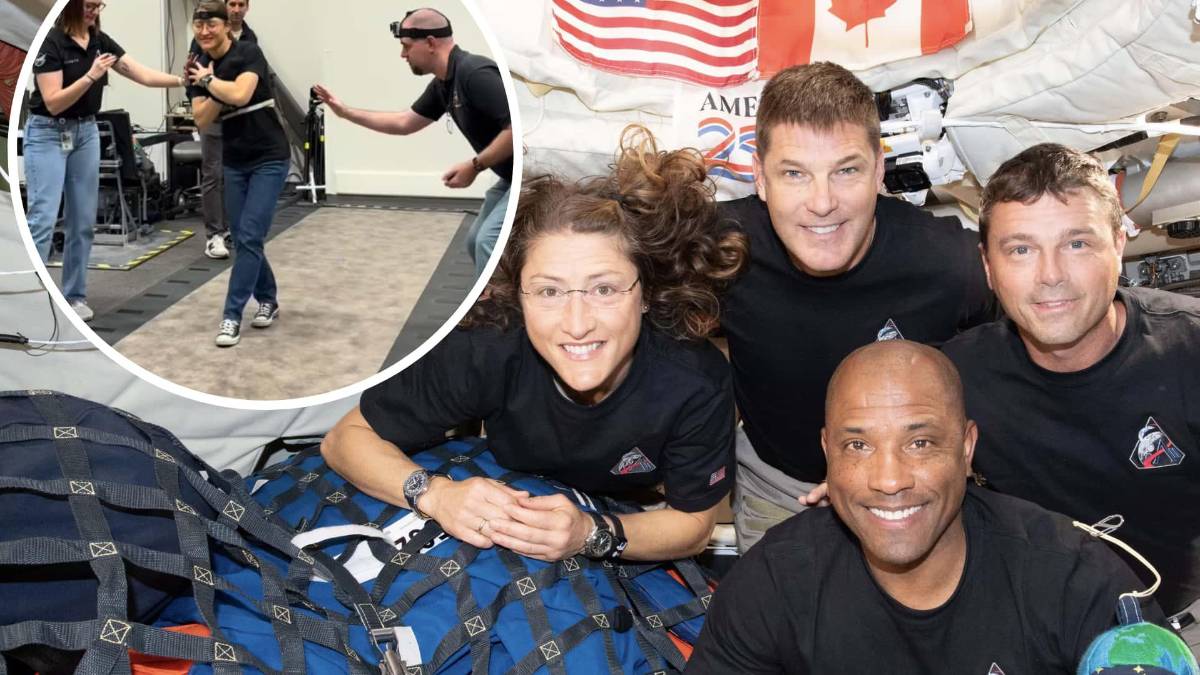
Although at first glance the return of astronauts may seem like a scene of relief, amidst smiles, hugs and pride for those who touch solid ground again; it is only the beginning of a long recovery that occurs within the human body, and with special emphasis on the brain.
TL;DR
- Astronauts' brains need a long recovery period to re-adjust to Earth's gravity after space missions.
- Gravity leaves a persistent imprint on the brain, affecting everyday actions like grasping objects.
- Upon return, astronauts may misjudge the force needed to hold or move objects due to learned reflexes from space.
- The vestibular system, crucial for movement and balance, does not function correctly in microgravity, leading the brain to ignore its signals.
- Astronauts rely heavily on visual cues for orientation upon returning to gravity.
- Basic actions like walking with eyes closed become difficult, and relearning these actions can aid in treating conditions like vertigo and concussions.
- Muscle mass loss also occurs during space missions, making physical movement more demanding upon return.
- Researchers are studying how astronauts adjust movements, react to objects, and modify grip, suggesting the brain's predictions take time to correct in new environments.