Energy Analysis Report: April 7
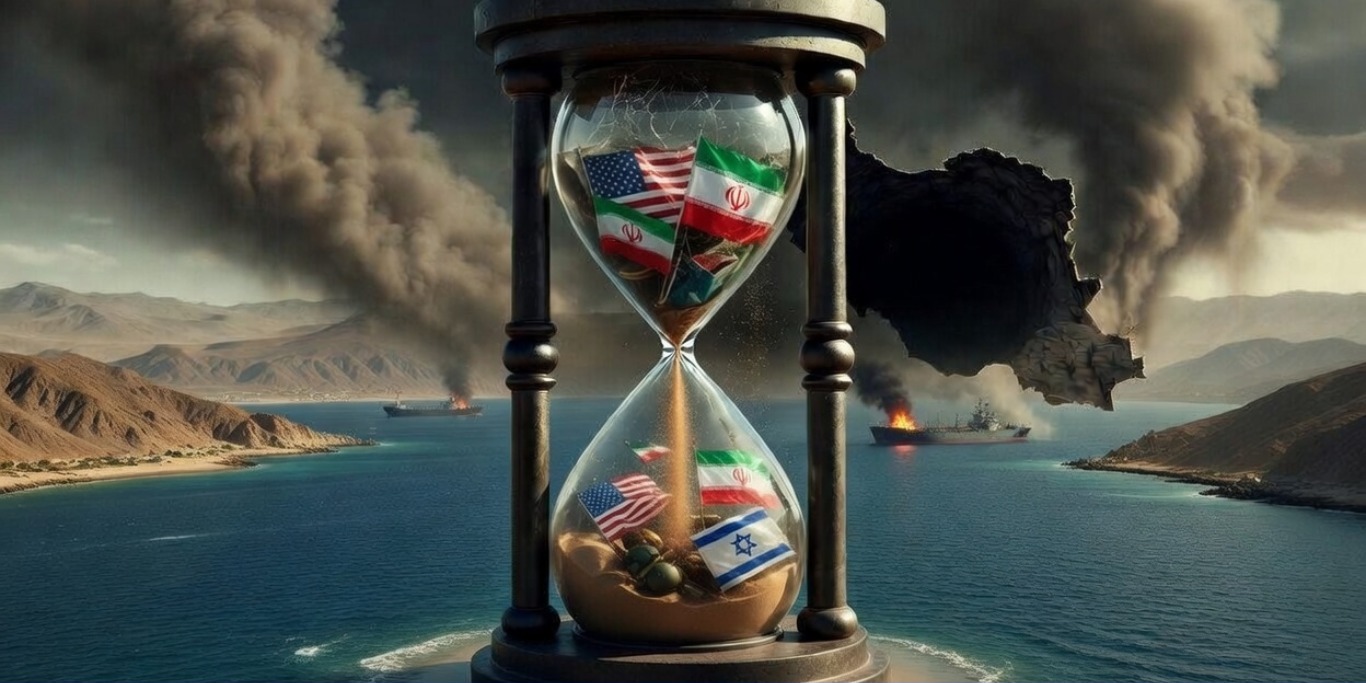
When the joint air forces of Israel and the USA attacked Iran and, among other targets, managed to take down a significant number of its leaders—including supreme leader Ali Khamenei—a rapid collapse of the regime was expected. After all, only a few weeks earlier, the Iranian population had taken to the streets to demand political change and had been violently repressed, suggesting deep discontent with the theocratic regime.
TL;DR
- The conflict in the Middle East, initially expected to be short, has escalated into a global energy and geopolitical crisis.
- Iran's strategy involves using hydrocarbon supplies as a weapon of war, extending the conflict's impact to the global economy.
- The Strait of Hormuz has become a critical chokepoint, with varying degrees of navigability impacting global oil supply.
- Diplomatic efforts have been largely unsuccessful, though joint peace initiatives from Pakistan and China have been proposed.
- The war bears similarities to the conflict in Ukraine, with Iran employing decentralized, drone-heavy warfare tactics.
- Europe has been hesitant to engage in reopening the Strait of Hormuz, despite being heavily affected by the crisis.
- Three potential scenarios for the conflict's resolution are outlined: a short closure, progressive opening, and prolonged closure with potential military intervention.
- Alternative oil export routes are being maximized by Persian Gulf countries to mitigate reliance on the Strait of Hormuz.
- Global oil inventories have decreased, and the price differential between Brent and WTI crude has inverted.
- Despite positive economic data in the US regarding job growth and wages, the conflict's impact is expected to lead to increased inflation and potential recessionary effects.
- Significant natural gas discoveries in the Eastern Mediterranean are noted as contributing to Europe's energy security.
- US foreign policy towards Venezuela has shifted, with sanctions being eased on Delcy Rodríguez, though political and economic challenges persist within the country.