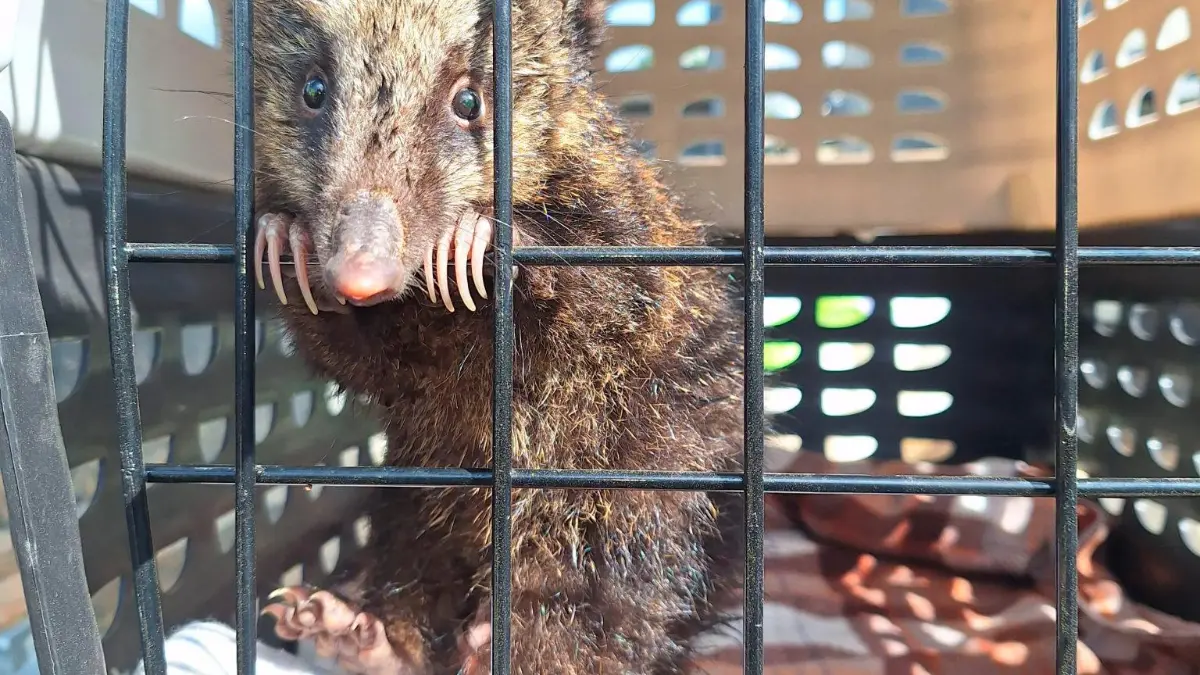
2.300 animales fueron arrancados de los bosques, atropellados, atacados o traficados en Antioquia en un año
Un día satisfactorio en un centro de atención de fauna es cuando ningún animal cruza la puerta necesitando ayuda. Pero eso nunca ocurre. Los centros d...
TL;DR
- Wildlife rescue centers in Antioquia are struggling with a high volume of animals rescued from illegal trafficking, abuse, and accidents.
- In 2025, Corantioquia's rescue center received 2,328 wild animals, with only 1,717 successfully rehabilitated and released back into their natural habitat.
- The majority of rescued animals cannot be returned to the wild due to irreversible damage and end up in semi-closed spaces, relocation sites, or zoological collections.
- Antioquia is among the top five departments most affected by illegal wildlife trafficking in Colombia, with sophisticated trafficking networks using social media.
- Road accidents are a significant threat, with particular danger zones identified on the road to the Coast and the new sea route between Vegachí and Remedios.
- Rehabilitation processes are lengthy and complex, requiring animals to demonstrate survival skills before being considered for release.
- For animals that cannot be released, options include permanent confinement, euthanasia if deemed irreversible, or relocation to monitored safe environments.
- Antioquia has a successful exemplary program of 'predios reubicadores' (relocation properties) that provide safe havens for numerous wild species.
- Environmental authorities are increasing monitoring and prevention strategies to combat illegal wildlife extraction at its source.
- The illegal wildlife trade is the fourth most profitable illegal commerce globally, underscoring the severity of the issue.