Lo que hay en la lonchera sí importa: expertos alertan sobre hábitos escolares en Colombia
Con el inicio del calendario escolar, miles de familias colombianas vuelven a preparar loncheras y almuerzos para niños y adolescentes. Sin embargo, más allá de cumplir con “algo rápido para comer”, expertos en salud y educación coinciden en que la alimentación escolar se ha convertido en un factor decisivo para el rendimiento académico, la energía diaria y el bienestar emocional de los estudiantes.
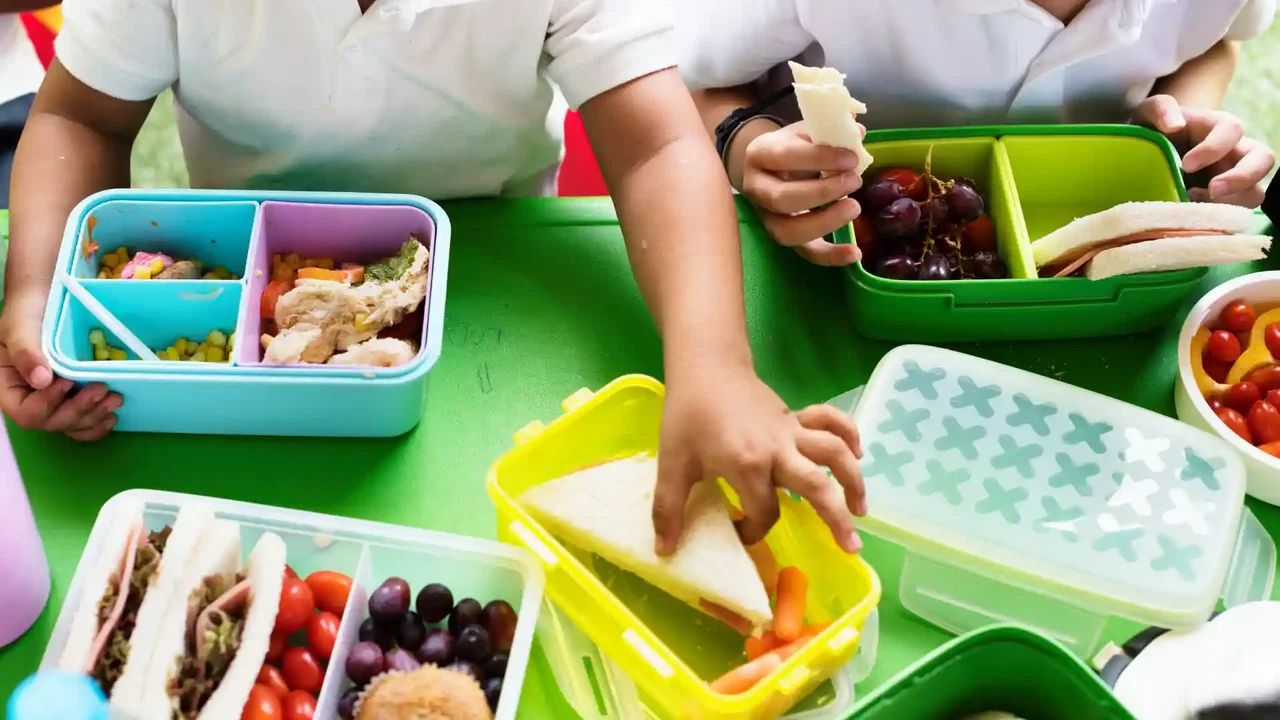
TL;DR
- School nutrition is crucial for academic performance, daily energy, and emotional well-being.
- International health guidelines recommend limiting added sugars to 25g and sodium to less than 1500mg daily for school-aged children.
- Fresh foods, fruits, vegetables, quality proteins, and whole grains support attention, memory, and stable energy.
- Common lunchbox errors include excessive ultra-processed snacks, sugary drinks, and a lack of fresh produce and protein.
- Children eating the same meals daily limits micronutrient intake and can create poor eating habits.
- Portion sizes are often either insufficient or excessive without proper balance.
- Making healthy food attractive involves presentation, texture, color, and involving children in preparation.
- Healthy eating is presented as affordable in Colombia through organization, local markets, seasonal products, and economical staples like legumes and eggs.
- The article provides two examples of Colombian-inspired healthy lunchboxes: one traditional and one practical and colorful.
- Balanced nutrition is highlighted as a silent educational tool that improves children's disposition, concentration, and mood in the classroom.