'Clash of trains': how the fractured relationship between guilds and the government impacts the economy
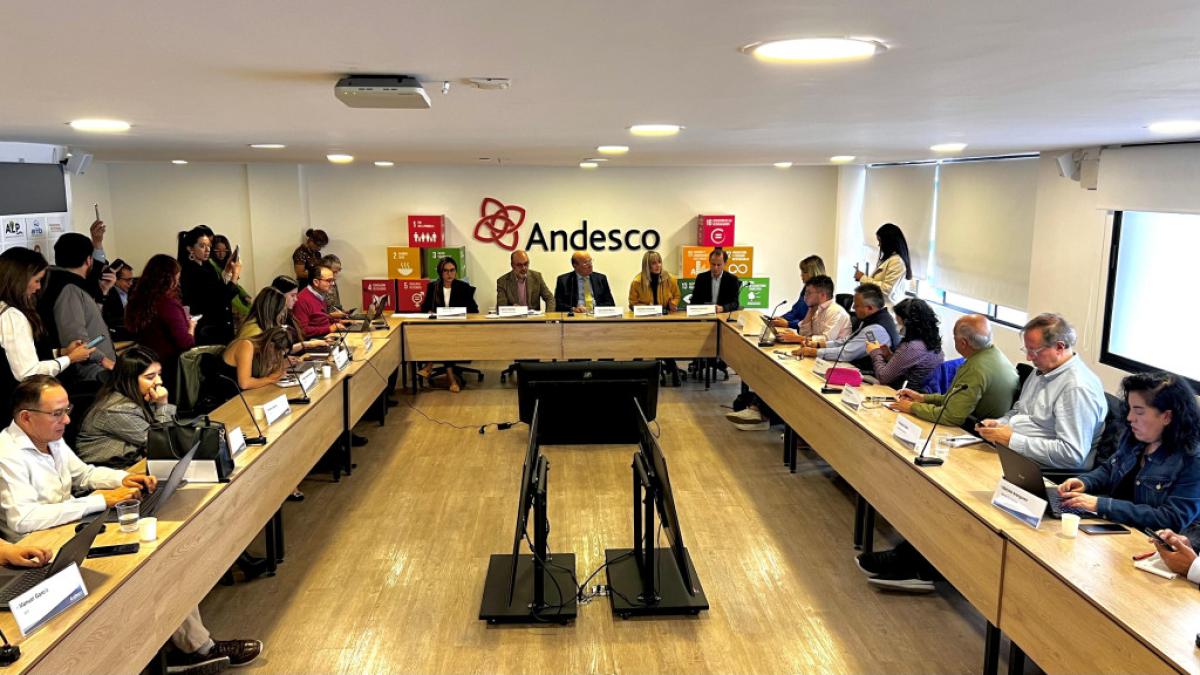
Businessmen have stopped discussing and supporting key reforms, necessary for the Government. Photo: Courtesy: Andesco
TL;DR
- The strained relationship between business guilds and the Petro government has removed the private sector's preferential role in Colombian economic policy-making.
- Businessmen are being sidelined from defining key social reforms, leading to friction and hindering the government's ability to implement necessary initiatives.
- Historical decades-long mutual influence between political power and business guilds has been altered by the government incorporating broader societal groups into policy discussions.
- The effectiveness of technical dialogue with ministries has decreased due to decision centralization in the presidency, according to guild leaders.
- Future scenarios suggest either continued discourse confrontation with the business sector under a left-leaning government or a potential recomposition of dialogue channels under a right-leaning government, though the prior model is unlikely to return due to increased public scrutiny.
- Business guilds may adapt by focusing on symbolic intermediation, public conversation, reputational defense, and crisis management rather than direct policy definition.