health
Tropical Forests Recover Over 90% of Their Biodiversity in 30 Years, According to Study Published in Nature
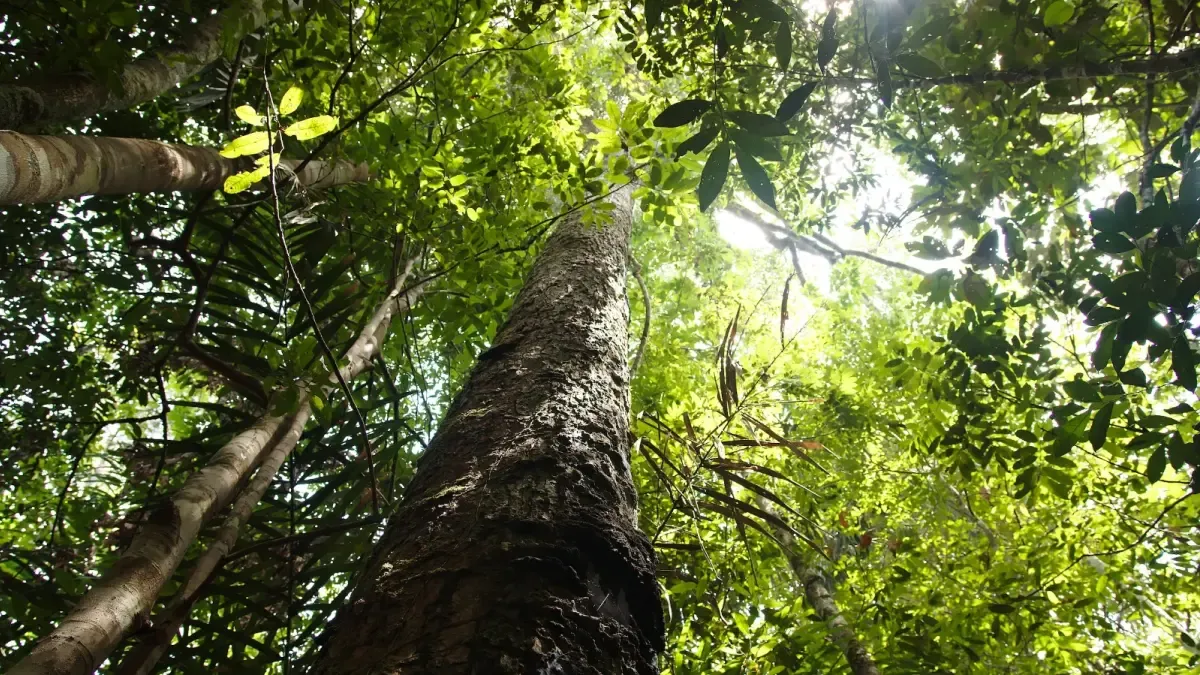
Forests are key to human subsistence Photo: FSC
TL;DR
- Natural regeneration can restore over 90% of lost biodiversity in tropical forests within about 30 years.
- Secondary tropical forests can achieve nearly 75% of their original species composition in around 30 years.
- Birds, bats, and bees are identified as key players in forest regeneration, facilitating seed dispersal and pollination.
- These animals act as drivers of tree recovery by resisting environmental disturbances and returning rapidly to altered ecosystems.
- Some organisms, like certain soil bacteria, have limited recovery capacity, which can lead to 'arrested regeneration' where not all ecological components fully restitute.
- Achieving full ecological composition similar to primary forests may take many more decades, especially in areas with low forest cover or intense human pressure.
- Abandoning agricultural land is proposed as a low-cost and effective environmental restoration strategy.
- The study analyzed 32 previous studies on forest restoration in tropical zones.
- Species diversity often recovers faster than the original ecological structure.
- Ecological interactions between organisms play a more significant role in recovery speed and stability than previously thought.