IMF Issues New Warnings on Middle East War, Citing Threat to Food Security
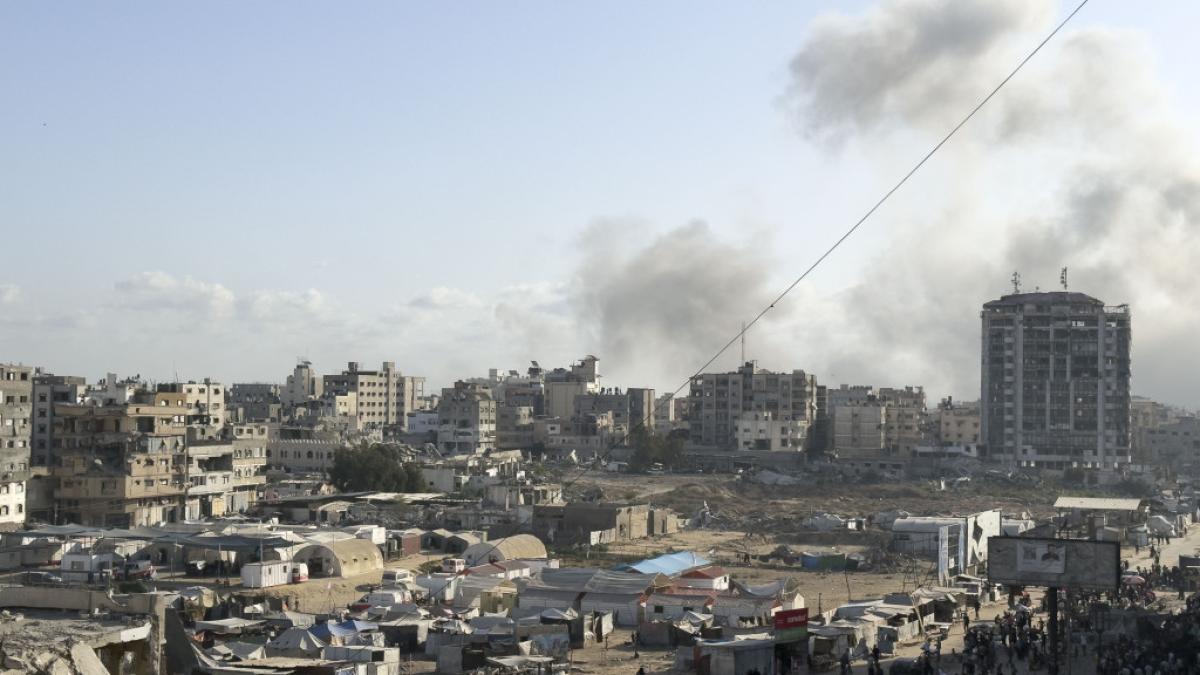
Pressure on food and fertilizers amplifies the economic impact of the war. Photo: EFE
TL;DR
- The Middle East war is a growing threat to global food security due to disruptions in fertilizer supply and rising food prices.
- The conflict amplifies economic and social pressures globally, disproportionately affecting energy-importing and low-income countries.
- Disruptions to critical shipping routes like the Strait of Hormuz, a key transit point for fertilizers, threaten agricultural output.
- Higher fertilizer and energy costs increase agricultural production costs, leading to higher food prices for consumers.
- The situation carries significant social and political implications, potentially causing instability in vulnerable regions.
- The conflict contributes to global inflation by increasing costs for energy, inputs, production, and transport.
- Market volatility has increased, raising financing costs for governments and businesses, especially in emerging markets.
- Many economies are already dealing with high debt levels, limiting their ability to respond to these combined challenges.