What is the 'silent tsunami' hitting the garment industry amid the advance of Chinese platforms?
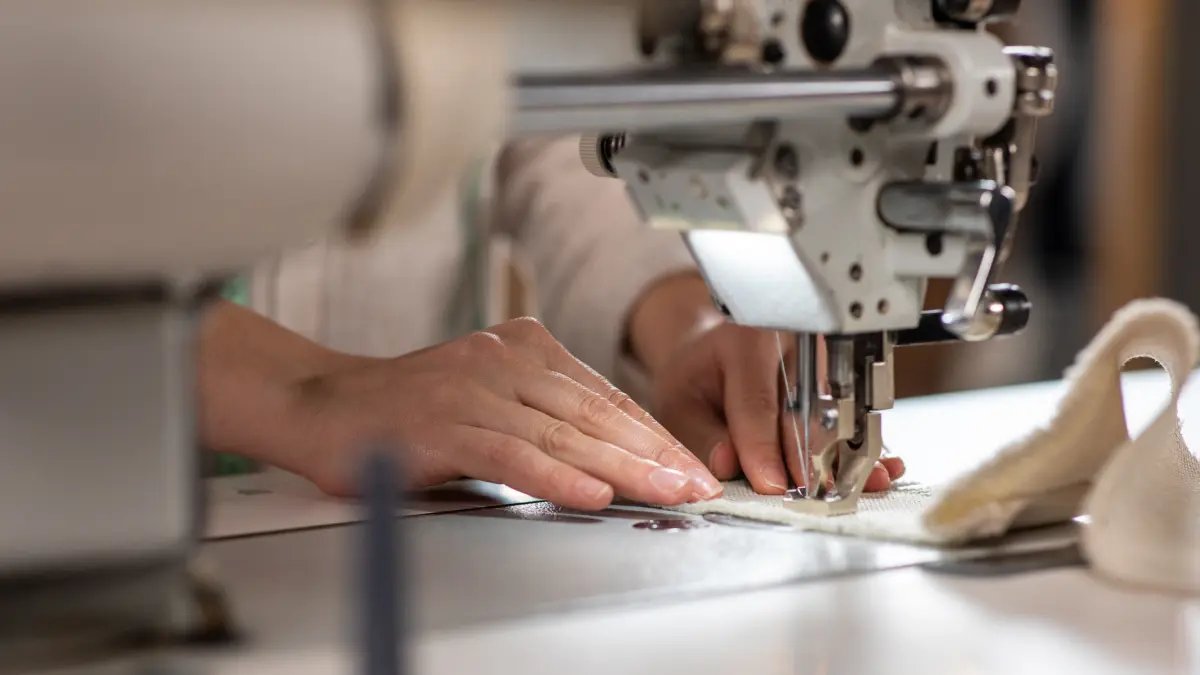
The textile and garment sector in Colombia is going through a challenging time. Photo: Getty Images
TL;DR
- The Colombian fashion sector is experiencing a stronger impact than the national industrial average.
- Pedidos have fallen due to strong import pressure, especially from platforms like Temu, Shein, AliExpress, and Amazon.
- While fashion sales are increasing, most of the growth is captured by imported products, not Colombian production.
- This is described as a crisis of competitiveness, not consumption.
- Importing platforms do not pay VAT or tariffs, nor do they generate formal employment in Colombia.
- The fashion system (textile, apparel, leather, footwear, and leather goods) comprises over 142,000 companies and generates approximately 2.5 million jobs.
- There are instances of factory closures, increased informality, and job losses, particularly affecting women.
- Millions of small shipments are fragmented to enter the country under a loophole, avoiding the up to 40% tariffs paid by formal companies.
- Proposed solutions include establishing VAT and tariffs for these products to balance competition.
- Other countries like the US, Brazil, Mexico, and European nations have already implemented regulations for this type of commerce.
- The article highlights the unfairness of Colombian companies adhering to taxes and labor laws while foreign sellers do not.
- An estimated 650,000 kilograms of merchandise enter daily under these schemes, impacting businesses despite not always appearing in official figures.
- There is a paradox where fashion consumption grows, but local production loses market share.
- The crisis affects the entire supply chain, from raw materials to training centers.
- Colombia has export potential, but strengthening exports while losing the domestic market is counterproductive.
- Ecuador is a key partner, and any measure affecting bilateral trade impacts over 3,200 Colombian companies.