Panorama: The figures and consequences of the 23% minimum wage increase
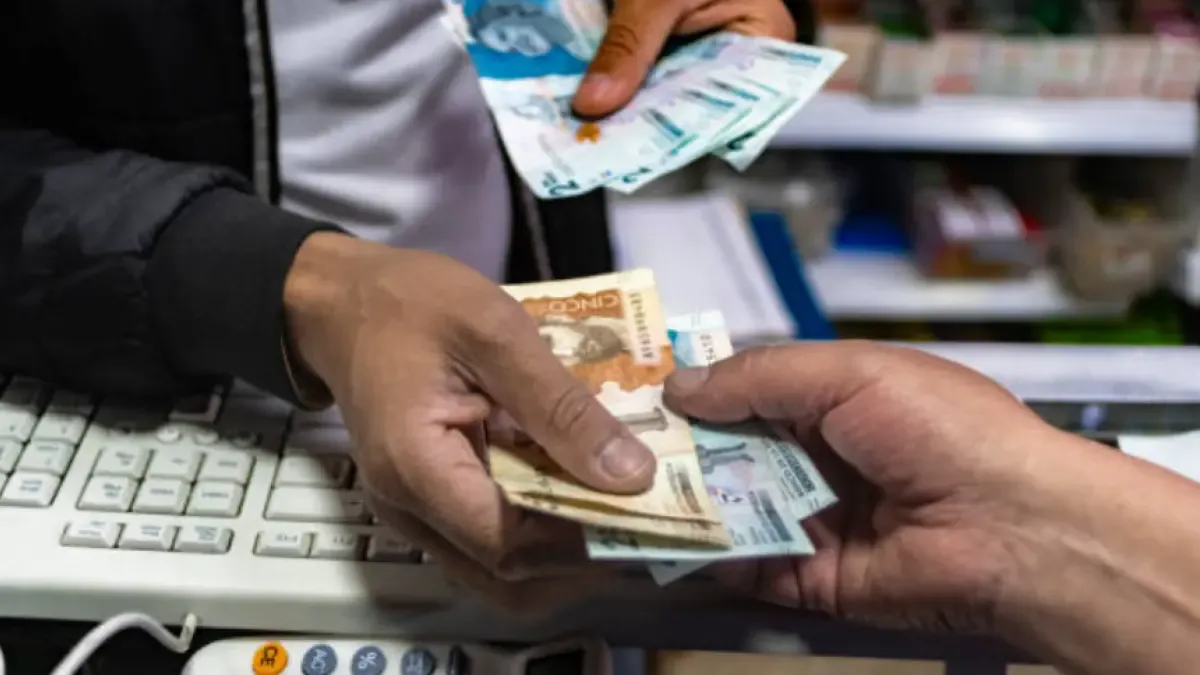
The 23.7% increase in the minimum wage for 2026, before its suspension, was the highest in the last three decades Photo: iStock
TL;DR
- The 23.7% minimum wage increase for 2026, the highest in three decades, was provisionally suspended by the Council of State.
- An analysis by Raddar indicated that this increase would lead to a 16.2% real variation in the minimum wage.
- The hike would most significantly benefit those earning the minimum wage, improving their purchasing power relative to other income groups.
- Workers in the informal sector were projected to earn an average of 0.60 minimum wages, while formal workers would earn around 1.31 minimum wages.
- The increase could create cost pressures in labor-intensive sectors like real estate, construction, and hospitality, potentially influencing hiring and business growth decisions.
- Despite a projected inflation of 6.18% for 2026, the wage pressure was expected to be more pronounced in service sectors with a higher labor cost component.