The (incomplete) reform of mining regulation in Venezuela
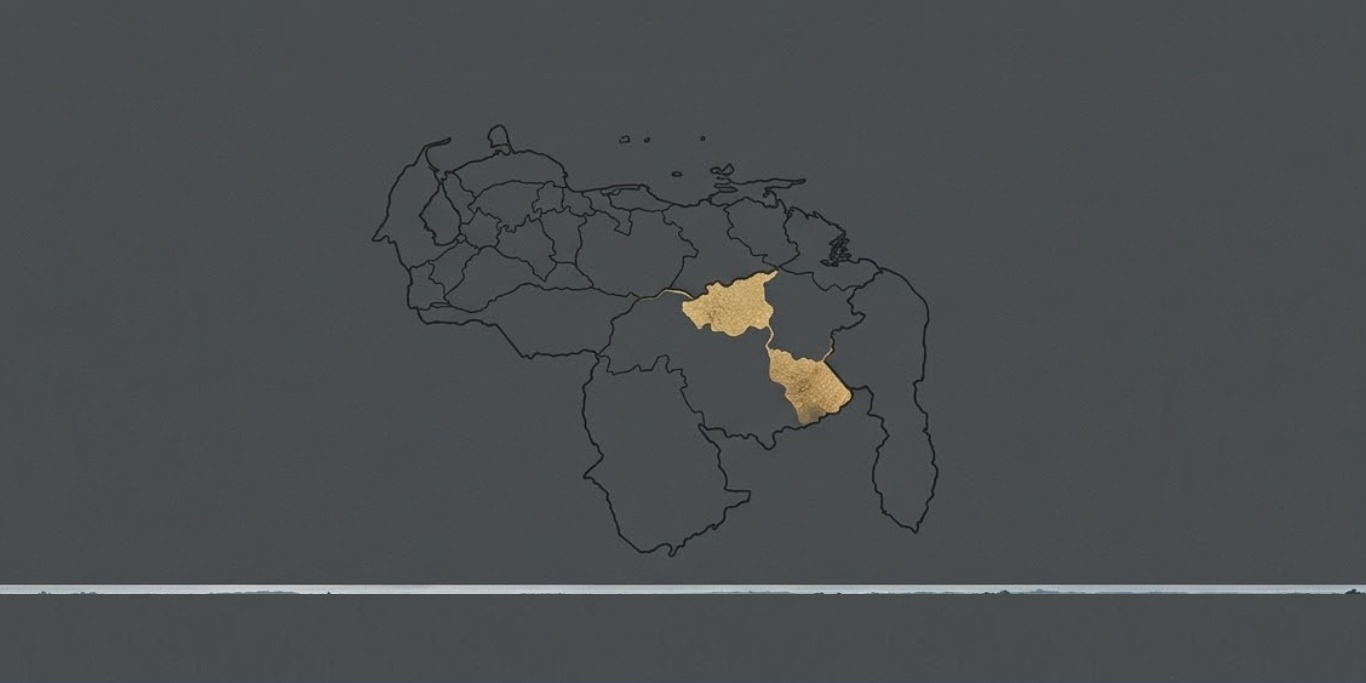
The Organic Law of Mines bill aims to modernize mining regulation by introducing provisions to encourage private investment, particularly through a contractual framework with clearer and more stable rights. However, the diagnosis underlying this bill appears incomplete: the most significant restriction on private mining investment stems not from the regulatory framework in *iure*, but from the *de facto* regulation that has emerged following the collapse of state capacity, especially in the Orinoco Mining Arc. The bill, approved in its first discussion, by not considering this informal or *de facto* regulation, has failed to address the most binding restrictions on mining activities, particularly gold.
TL;DR
- The proposed Organic Law of Mines in Venezuela aims to modernize mining regulation and encourage private investment with clearer contractual rights.
- The reform is criticized for not addressing the *de facto* regulations and informal institutions that significantly restrict private investment, particularly in the Orinoco Mining Arc.
- The bill introduces some fiscal flexibility, a new mining superintendency (SUNAMIN), and clarifies mining concession rights.
- However, it retains statist biases, such as limited recognition of international arbitration and discretionary state powers over strategic minerals.
- The reform does not repeal decrees creating the Orinoco Mining Arc or address the environmental and community damage caused by *de facto* exploitation.
- US policies, including General License No. 51, authorize certain activities related to Venezuelan gold, requiring contracts to adhere to US law and jurisdiction.