health
This is what not to do during Holy Week
Beyond travel, rest, or cultural traditions, Holy Week represents one of the most significant moments in the liturgical calendar for the Catholic Church.
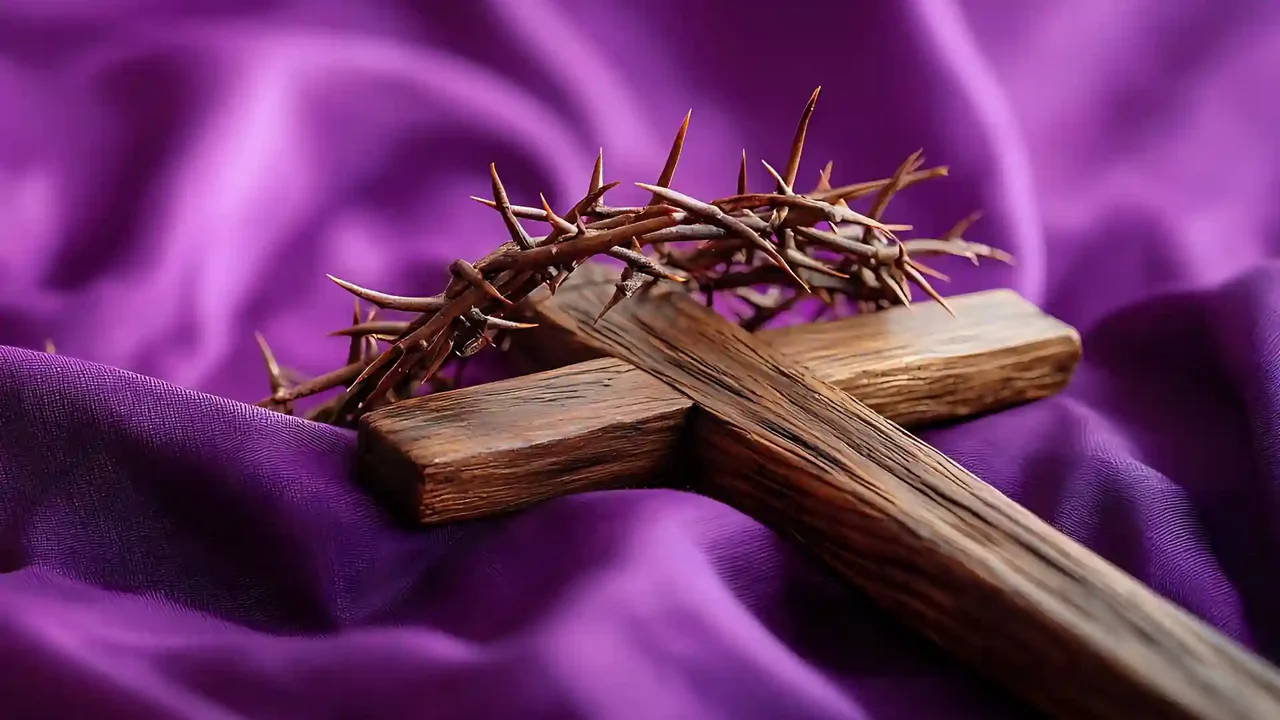
TL;DR
- Holy Week is the most important time for the Catholic Church, centered on the passion, death, and resurrection of Jesus Christ.
- It is a time for reflection, spiritual deepening, and experiencing the final days of Jesus' life.
- The core of Holy Week is the Paschal Triduum: Holy Thursday, Good Friday, and Holy Saturday, culminating in Easter Sunday.
- Holy Thursday commemorates the Last Supper and the institution of the Eucharist and priesthood.
- Good Friday is a day of silence and remembrance of Christ's crucifixion and redemptive sacrifice.
- Holy Saturday is a day of waiting, leading to the Easter Vigil celebrating the resurrection.
- Easter Sunday represents the victory of life over death and is the central focus of Holy Week.
- The Church emphasizes interior spiritual experience over external rituals, with prayer, confession, and liturgical participation being essential.
- Believers are guided to avoid behaviors contrary to the spiritual meaning, such as excessive parties, immoderate alcohol consumption, or activities that distract from reflection.
- Good Friday is a day of fasting and abstinence from meat for Catholics as an act of penance.
- Harmony, reconciliation, forgiveness, and strengthening personal bonds are encouraged.
- The essence of Holy Week lies in how it is lived, focusing on introspection, understanding sacrifice, and personal transformation through silence and prayer.