Fiscal crisis, growth, taxes, and energy concentrate the economic debate of the electoral pulse for the Presidency
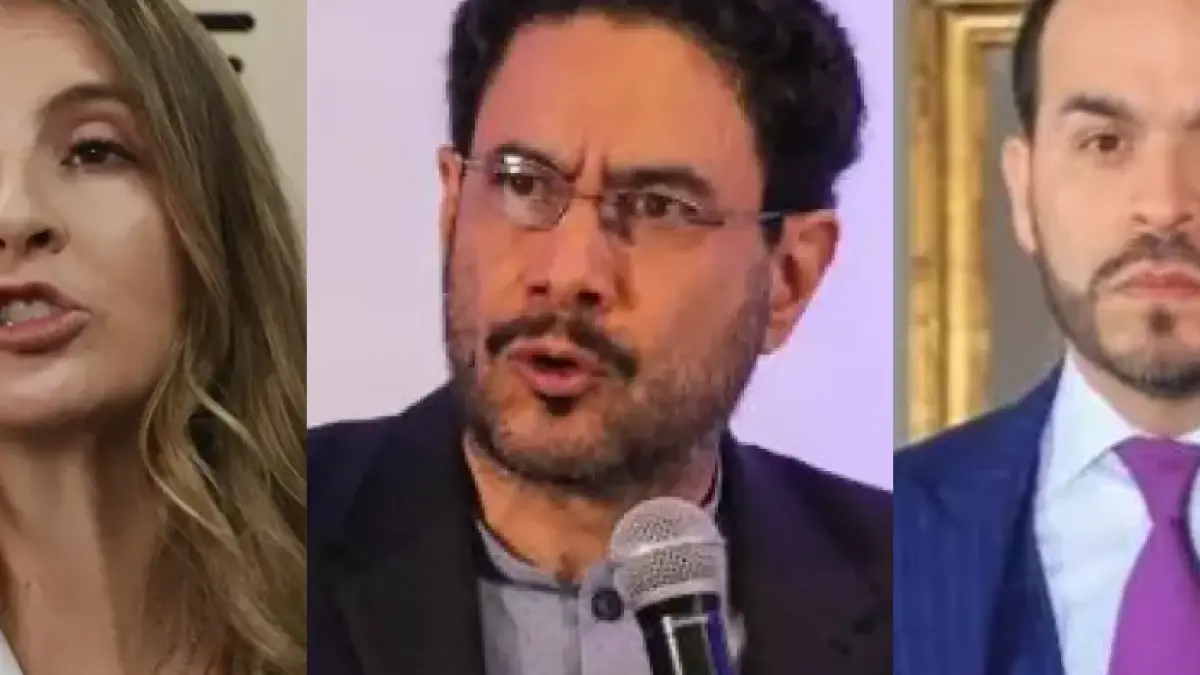
Paloma Valencia, Iván Cepeda, and Abelardo de la Espriella Photo: Photomontage
TL;DR
- Fiscal adjustment, public debt, tax policy, and the energy sector are the main economic discussion points for the 2026 presidential elections.
- Candidates Paloma Valencia and Abelardo De la Espriella present proposals focused on fiscal deficit reduction, economic growth, taxes, oil exploration, and public finance sustainability.
- While all candidates agree on the need to reactivate the economy and restore institutional confidence, their proposed solutions differ significantly regarding the size of the state, energy transition, and the role of taxation.
- Paloma Valencia advocates for tax reduction, fiscal discipline, and increased private investment, proposing to lower corporate income tax, eliminate wealth tax, and simplify the tax code.
- Abelardo De La Espriella proposes a more aggressive fiscal adjustment, aiming to reduce the size of the state by a quarter and increase fiscal revenue through modernized tax collection and reduced evasion.
- Iván Cepeda prioritizes combating tax evasion, particularly among high net worth individuals and higher-income sectors, before considering new tax increases.
- The energy sector shows significant differences, with Paloma Valencia supporting the full reactivation of fossil fuel exploitation and fracking, while Iván Cepeda emphasizes a gradual energy transition.
- Abelardo De La Espriella also supports recovering oil and gas exploration and production, defending Ecopetrol as a strategic asset.
- Regarding economic growth and the role of the state, Valencia proposes a model based on investor confidence and export strengthening, while De La Espriella envisions accelerated growth through deregulation and productive expansion.
- Iván Cepeda's approach emphasizes collective agreements on fiscal sustainability, tax compliance, and social equity, advocating for an agrarian revolution and rural development initiatives.