Colombia en el Mundial 2026, un motor económico, social y de país
La clasificación de Colombia al Mundial de fútbol de 2026 es mucho más que una victoria deportiva o una celebración pasajera. Es un acontecimiento de ...
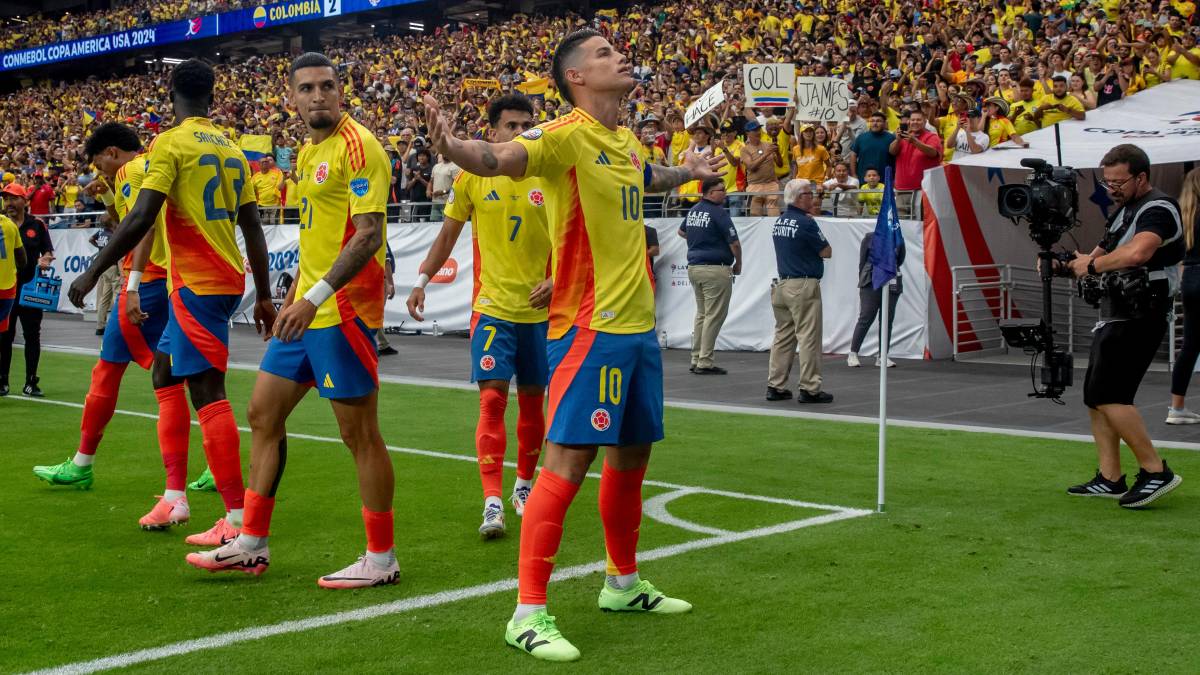
TL;DR
- Colombia's qualification for the 2026 World Cup has wide-ranging economic, social, and cultural implications.
- The event boosts Colombia's international image and potential.
- Economic benefits include increased consumption, investment, and FIFA prize money for the participating teams.
- Player market value increases, leading to higher transfer fees and benefits for training clubs.
- The local league gains prestige, attracting foreign scouts and potential cooperation agreements.
- The qualification strengthens the institutional image of the Colombian Football Federation.
- Economic impact extends to sectors like tourism, airlines, travel agencies, and retail.
- The World Cup fosters national cohesion, driving media consumption and advertising campaigns.
- It serves as inspiration for young people and strengthens sports academies.
- Colombia is positioned as an attractive market for global sponsors and commercial partners.
- The event impacts the advertising and sports marketing industry, increasing brand investment.
- The national team's jersey becomes a symbol of collective identity and a major commercial product.
- Football influences public mood, productivity, and reduces social tension.
- Educational opportunities arise for sports and academic programs, promoting values like discipline and teamwork.
- The qualification can help strengthen women's football and improve working conditions for players.
- It enhances sports diplomacy, opening channels for dialogue and projecting a positive national image.
- Infrastructure projects like stadium renovations may be accelerated.
- The entertainment industry, including media production and content creation, is stimulated.
- It reinforces the perception of Colombia as a capable nation in competitive scenarios.
- The World Cup is seen as a social, economic, and cultural phenomenon in Colombia.
- It strengthens social fabric and reduces gaps by creating symbolic meeting points.
- Participation boosts investment in sports technology and innovation.
- It elevates administrative and financial standards, professionalizing institutions and fostering trust.