Bogotá is getting too small and accelerating the transformation of neighboring towns into dormitory cities
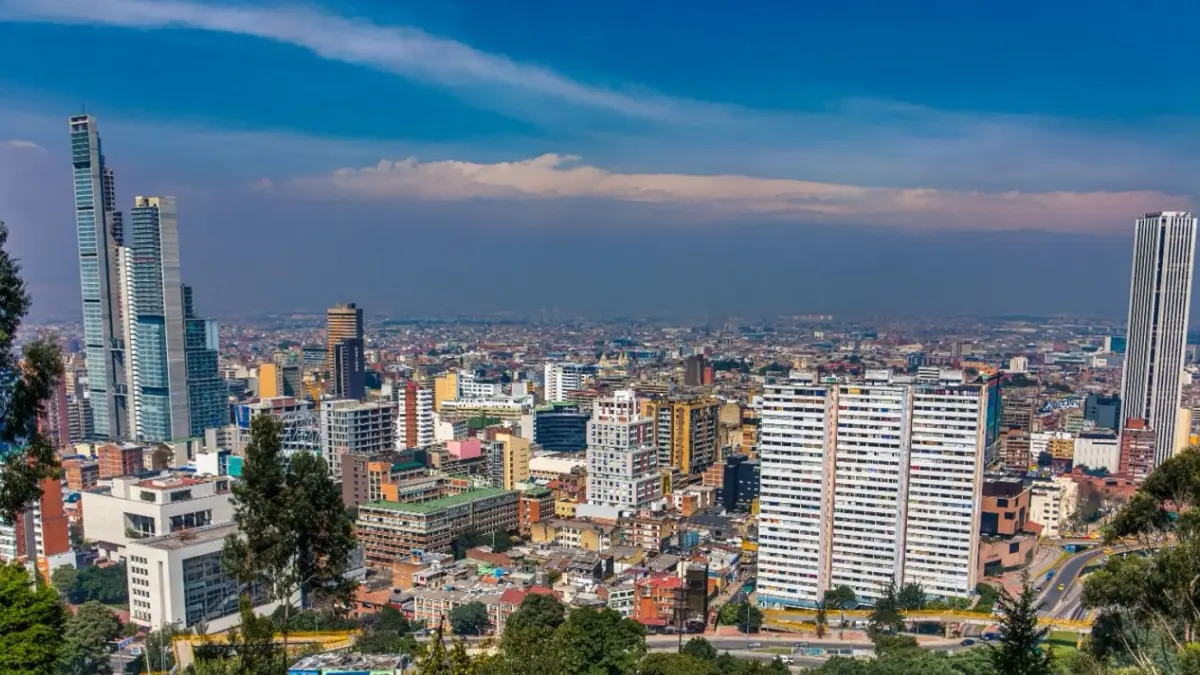
Little by little, the country's capital is losing its capacity to absorb its own growth. Photo: Courtesy - RenoBo / A.P.I.
TL;DR
- Bogotá has lost its capacity to absorb its own housing demand, leading to urban expansion in neighboring municipalities.
- Between 1997 and 2024, urban footprint grew by 39,343 hectares, with only 15% in Bogotá and the rest in surrounding areas.
- Neighboring municipalities are increasingly functioning as residential extensions of Bogotá, with 83% of daily trips heading towards the capital.
- Projections indicate a need for 2.6 million new homes in the next 25 years, a pace Bogotá cannot accommodate.
- Nearly 12% of recent expansion has occurred on environmentally restricted lands, increasing territorial risks.
- Public space availability is limited regionally (3.5 sq meters/inhabitant) and even lower in municipalities outside Bogotá (2 sq meters/inhabitant).
- The urban footprint could grow by over 37,000 hectares by 2050, accompanied by reduced urban density and increased occupation of protected land.
- Informal settlements are projected to expand significantly, particularly in Soacha.
- A significant institutional lag exists, with 43% of municipalities not having updated their territorial planning and 33% having plans over 20 years old.