Economic Emergency is Turning Exception into Tax Reform by Decree: Fenalco
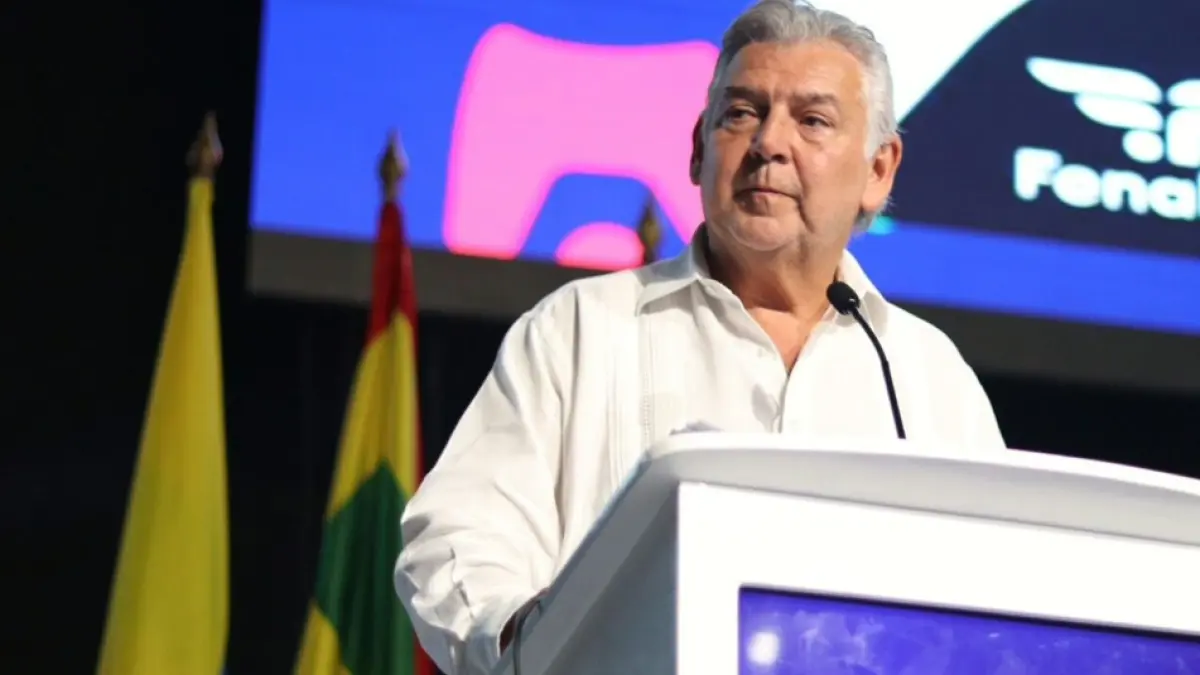
Jaime Alberto Cabal, president of Fenalco, warns of the great risks posed by the new economic emergency decrees. Photo: Fenalco
TL;DR
- Fenalco president Jaime Alberto Cabal criticizes new decrees under an economic emergency for imposing new taxes and weakening institutional controls.
- Concerns are raised that these decrees are effectively a tax reform by decree, intended to address the government's cash needs.
- New taxes, such as the extraordinary wealth tax expansion, are expected to harm the productive sector, discourage investment, and erode confidence.
- Decrees are criticized for relaxing institutional controls, reducing transparency requirements, and increasing discretionary power in handling public funds.
- Specific decrees mentioned include those related to extraordinary monetary transfers without prior public notice, budget modifications and credit arrangements by local authorities without ordinary controls, and subsidies/guarantees for productive credits lacking transparency.
- Fenalco argues that the crisis response should not justify weakening essential controls, affecting legal certainty, or compromising institutional trust.