Antioquia will have the country's first public mega-pharmaceutical plant
Medicines for malaria, HIV, Chagas disease, and other neglected pathologies could stop depending exclusively on international markets and begin to be produced on a large scale in Colombia.
TL;DR
- The University of Antioquia is building a new Essential Medicines Production Plant to enhance Colombia's pharmaceutical independence.
- The project involves a total investment of over $423 billion Colombian pesos and will take seven years to execute.
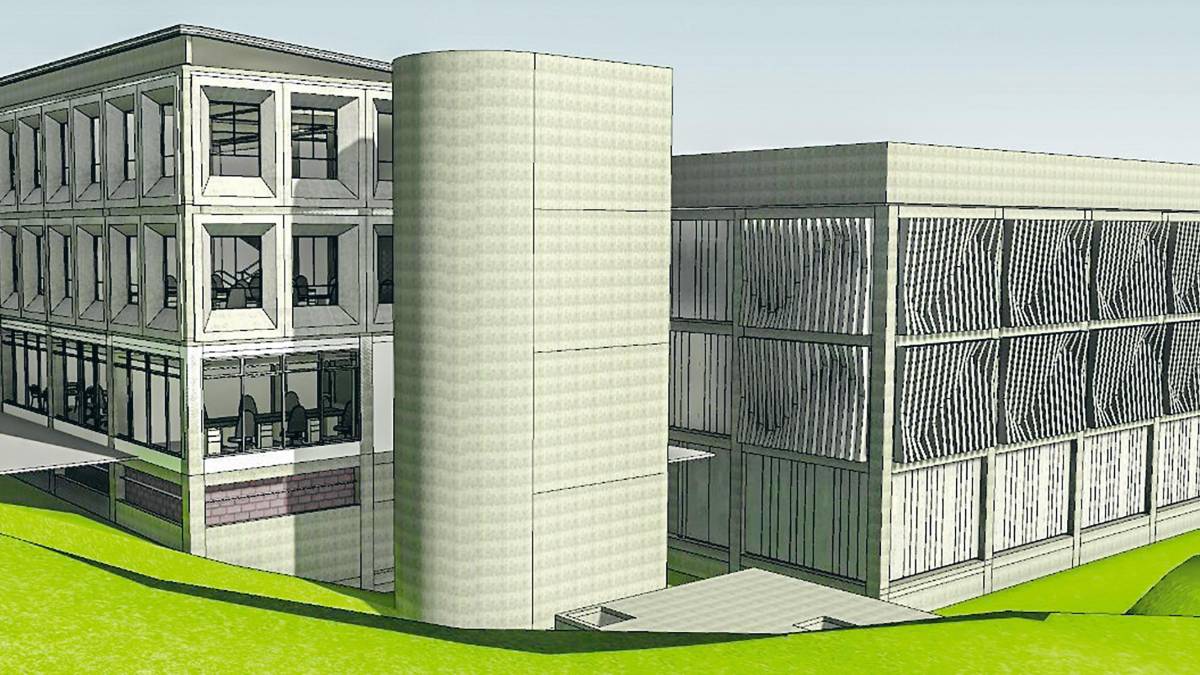
- The new plant, located in El Carmen de Viboral, will be significantly larger than the current facility and will feature three production lines: solids, liquids, and injectables.
- It aims to produce medicines for diseases such as malaria, HIV, Chagas disease, and neglected or orphan diseases.
- The facility will have the capacity to develop active pharmaceutical ingredients (APIs), reducing reliance on foreign raw materials.
- Production capacity is expected to increase 30 to 40 times compared to the current plant.
- The plant has been authorized as an official supplier for the Pan American Health Organization (PAHO), allowing it to supply medicines to other Latin American countries.
- This initiative seeks to lower medication costs, ensure supply stability, and mitigate risks associated with international crises and geopolitical tensions.
- A new line for sterilizing filter medications will also be implemented to produce vital antidotes and medicines not currently available in the country.