How much has oil traffic through the Strait of Hormuz fallen? US reserves could lose value
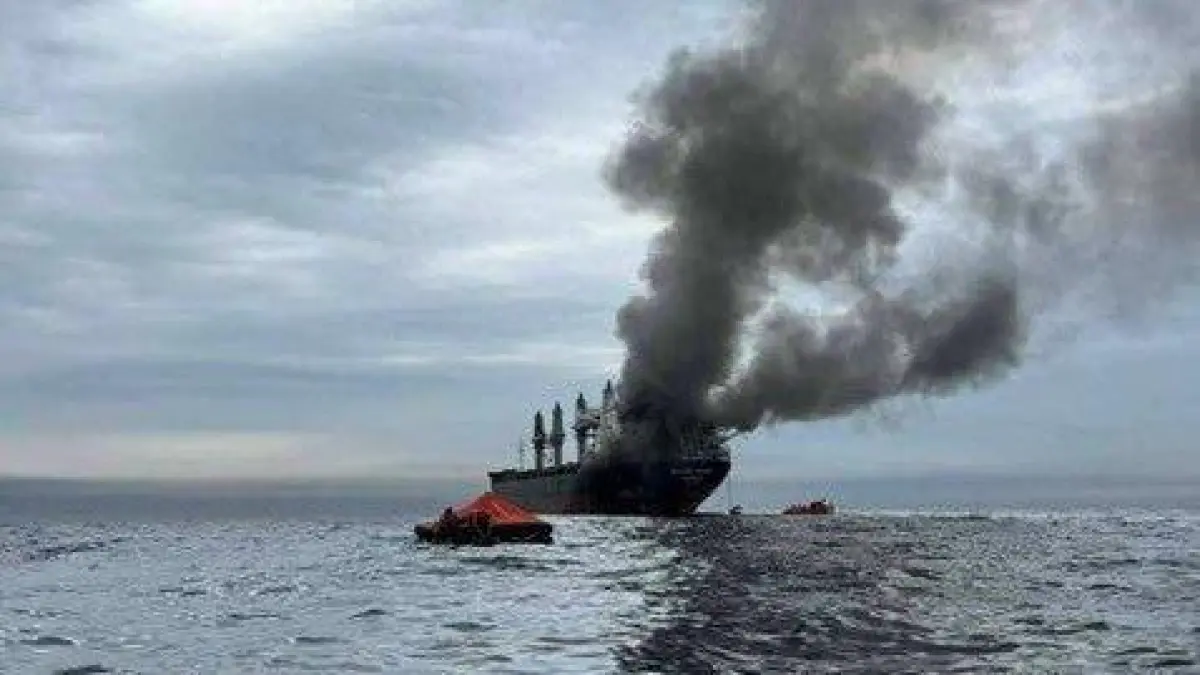
Strait of Hormuz, on the route itself, key for energy transport Photo: EFE
TL;DR
- Oil traffic through the Strait of Hormuz has dropped by nearly 98% amid the Middle East conflict.
- This disruption is increasing global oil prices and has caused a significant supply deficit.
- Oxford Economics forecasts Brent crude to average around $113 per barrel in the second quarter.
- The military timeline for conflict resolution does not align with economic recovery, suggesting prolonged costs.
- Partial traffic recovery to around 50% is possible between May and June, but risks remain.
- Strategic reserves and inventory reductions are temporary measures with diminishing effectiveness.
- Average supply disruption in Q2 is estimated at 7.5 million barrels per day, with a potential deficit of 2 million barrels per day.
- There is an increased risk of damage to energy infrastructure if military actions intensify.
- Lack of clarity on the Strait of Hormuz's reopening is a major market uncertainty.
- The impact extends beyond energy, affecting transport, production, consumption, inflation, and household purchasing power.