The 2026 World Cup Under the Shadow of Incidents That Put Major Tournaments at Risk
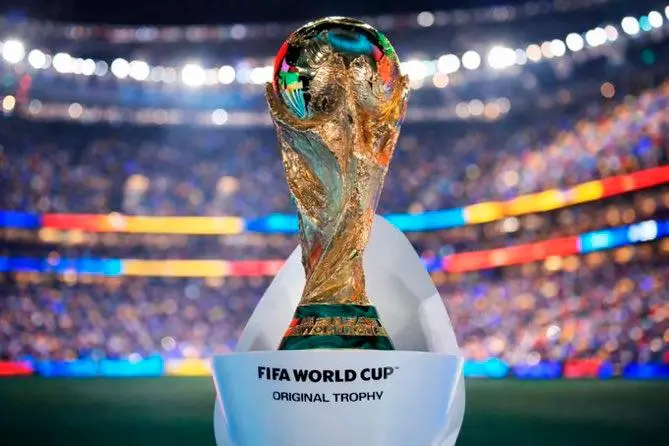
The recent wave of violence in Mexico, following the death of drug trafficker Nemesio Oseguera Cervantes, alias “El Mencho”, has raised alarms about the country's security ahead of the 2026 Football World Cup, which will be held from June 11 to July 19 and jointly hosted by Mexico, the United States, and Canada.
TL;DR
- Recent violence in Mexico, following the death of drug trafficker "El Mencho," has raised security alarms for the 2026 World Cup.
- Mexican President Claudia Sheinbaum assures no risk to visitors, but FIFA is reportedly requesting security reports.
- Bolivia plans to request increased security measures for their March playoff match in Monterrey.
- Past incidents, like the 2001 Copa América kidnapping and the 2018 Copa Libertadores final moved to Madrid due to violence, highlight historical security threats.
- The 2013 Boston Marathon bombing serves as another example of a tragic attack on a sporting event in the Americas.
- The combination of current violence and past precedents creates international alert and questioning about host country security.
- Coordination between FIFA, local authorities, and security forces will be crucial for the tournament's safety.