economy
The regime increases its dependence on China to survive
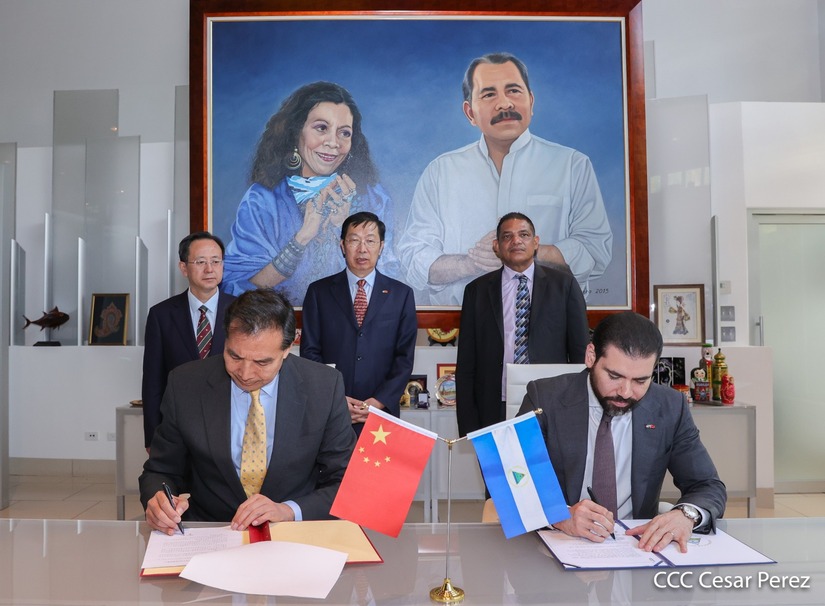
Daniel Ortega's regime bets on China as its main ally, but the strategy has high costs. According to economist Manuel Orozco, the Asian giant is neither a viable nor strategic partner: it sells much more than it buys from Nicaragua and grants loans with unfavorable conditions. The new Special Economic Zones Law deepens this dependence, granting privileges without supervision or transparency.
TL;DR
- Nicaragua is deepening its economic relationship with China, enacting a new Special Economic Zones Law favoring foreign allies, particularly Chinese investors.
- Economist Manuel Orozco warns that Nicaragua's reliance on China carries high economic, social, and strategic costs, including unfavorable contract clauses, low project execution, and lack of benefits for the population.
- China offers loans and concessions with unfavorable terms, low disbursement rates, and absence of labor condition oversight, increasing Nicaragua's debt burden.
- Nicaragua faces economic deceleration, falling private consumption, job losses in free zones, and rising labor informality, despite potential remittance growth.
- The regime's increased dependence on China began in 2023 following reduced financing from the BCIE, with China becoming Nicaragua's primary source of external financing.
- Imports from China are causing distress in local productive sectors, leading to displacement of Nicaraguan businesses, abusive commercial practices, and worker exploitation.
- The US is considering stronger measures against Nicaragua, including trade sanctions for labor abuses and restrictions on officials enriched by external loans or involved in repression and migrant trafficking.
- Orozco suggests a four-step roadmap for the US: restore human rights, repeal repressive laws, reform institutions, and convene national dialogue.