The war in Iran is already felt in the pocket: price increases hit low-income households harder around the world
While the economy maintains its expansion, there is currently a slower pace. Photo: Getty Images
TL;DR
- The Iran conflict's economic impact is hitting low-income households harder due to rising prices of oil, food, and basic services.
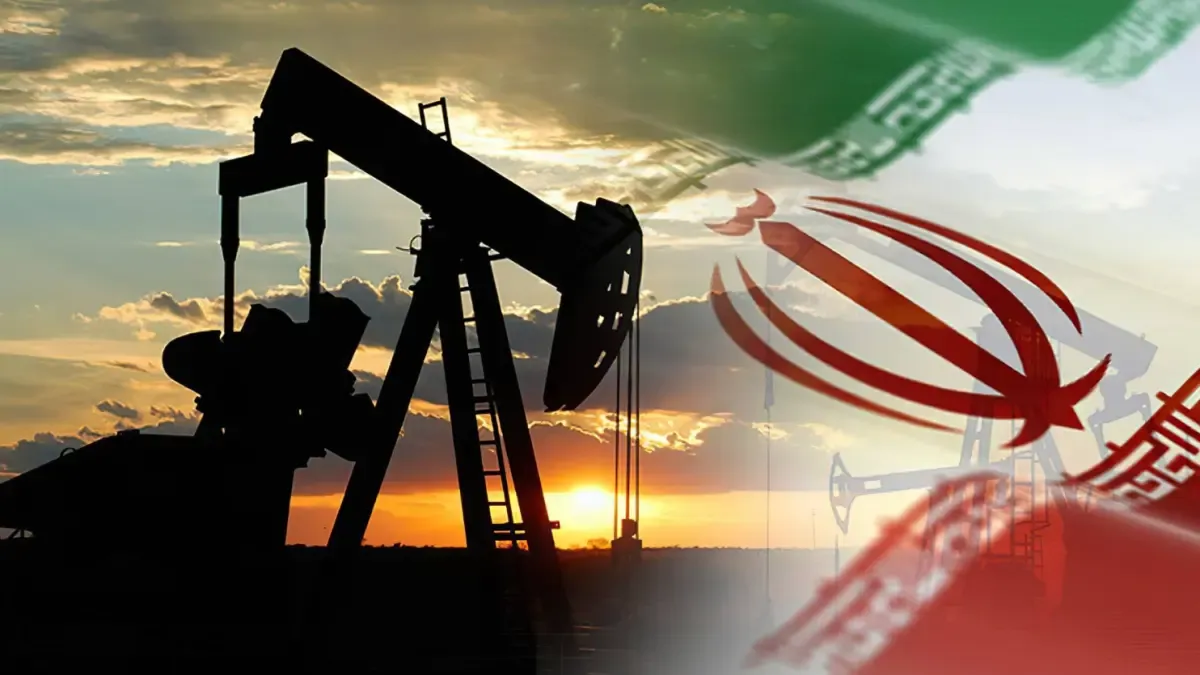
- Oil prices exceeding $100 per barrel and a 30% increase in gasoline prices are key drivers of the price surge.
- Food prices have also increased due to higher fertilizer costs, diesel use in agriculture, and transportation expenses.
- Inelastic goods like fuel, food, and utilities mean households cannot easily reduce consumption, increasing the burden on their income.
- Regions in the southern and midwestern US are particularly vulnerable, with spending on food, transport, and services exceeding 16% of the family budget.
- Economic growth projections have been lowered from 2.8% to 2.4% due to energy price increases and geopolitical uncertainty affecting consumption.
- Deterioration in purchasing power forces households to spend more on essentials, limiting spending on other items and potentially delaying large purchases.
- Increased prices and uncertainty impact consumer confidence, potentially moderating spending further.
- While oil and gas sectors may see benefits, employment gains are restricted due to high productivity and capital intensity.
- The current oil price surge may be temporary, limiting sustained investment cycles and broader economic activity benefits.