La inequidad social y el futuro socioeconómico de Centroamérica
Eliseo Núñez 19 de diciembre 2025
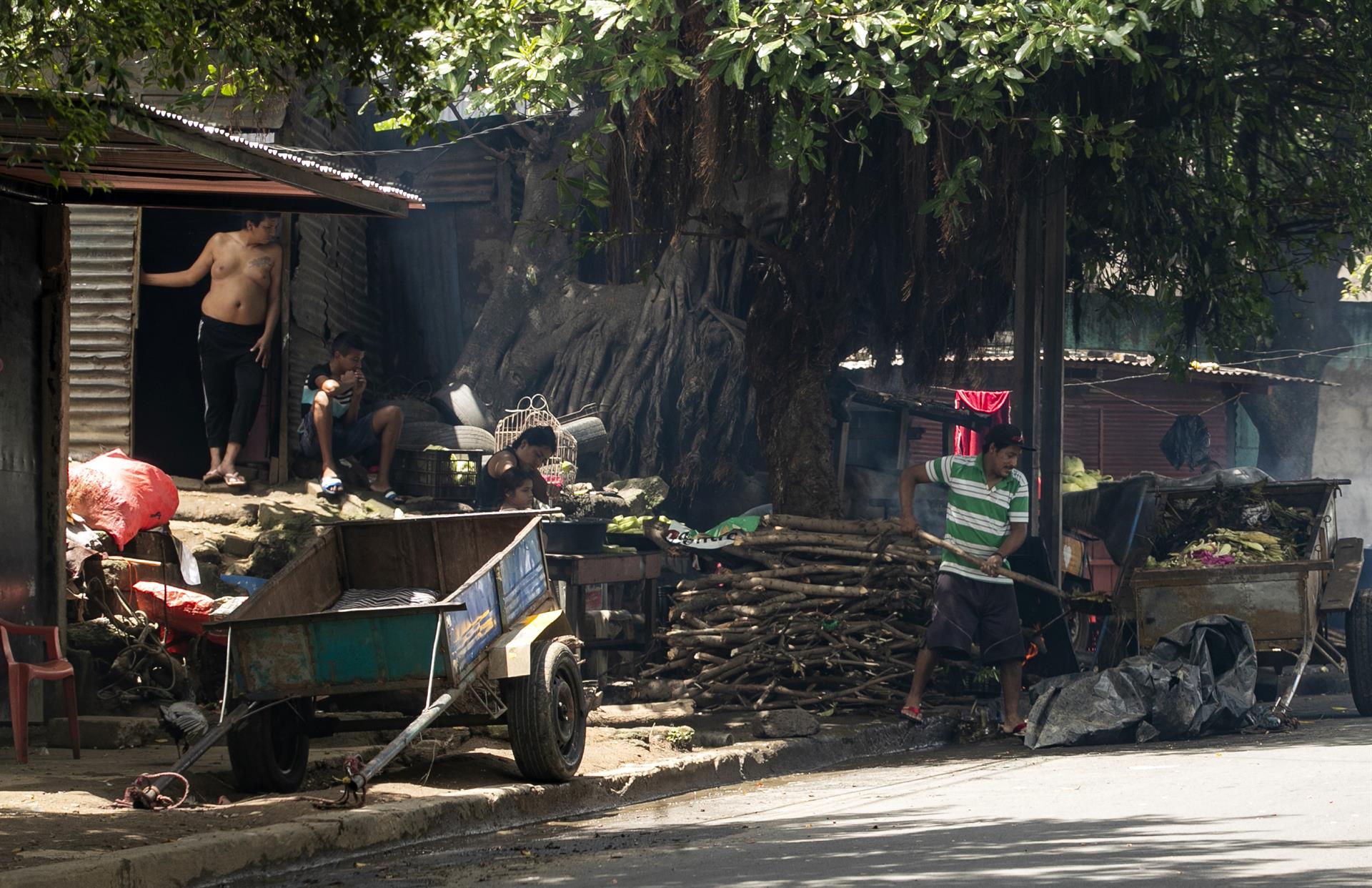
TL;DR
- Inequity leads to perpetuated poverty and limited social mobility, trapping generations.
- Some Central American economies use low wages as a comparative advantage for foreign investment, combined with extractivist models.
- This strategy depletes natural resources and leads to increased poverty and misery.
- Remittances, while significant, often fuel consumption rather than structural development.
- Combating inequity requires state intervention through gradualist social policies focused on building human capabilities for the knowledge era.
- Investment in education, technical training, digitalization, and science is crucial.
- Sustainable human development needs an integral strategy combining social inclusion and economic dynamism.
- Human capital is a key competitive advantage, as demonstrated by South Korea and Estonia.
- Reliance on cheap labor, remittances, and extractive economies offers minimal long-term success.
- Costa Rica's model, focused on high-value exports and human capital, offers a contrast, though it also faces challenges.
- Transforming the economic matrix by prioritizing equity is essential for future generations' well-being.