How to plan a vacation without ending up in debt: up to 60% of travelers spend more than expected
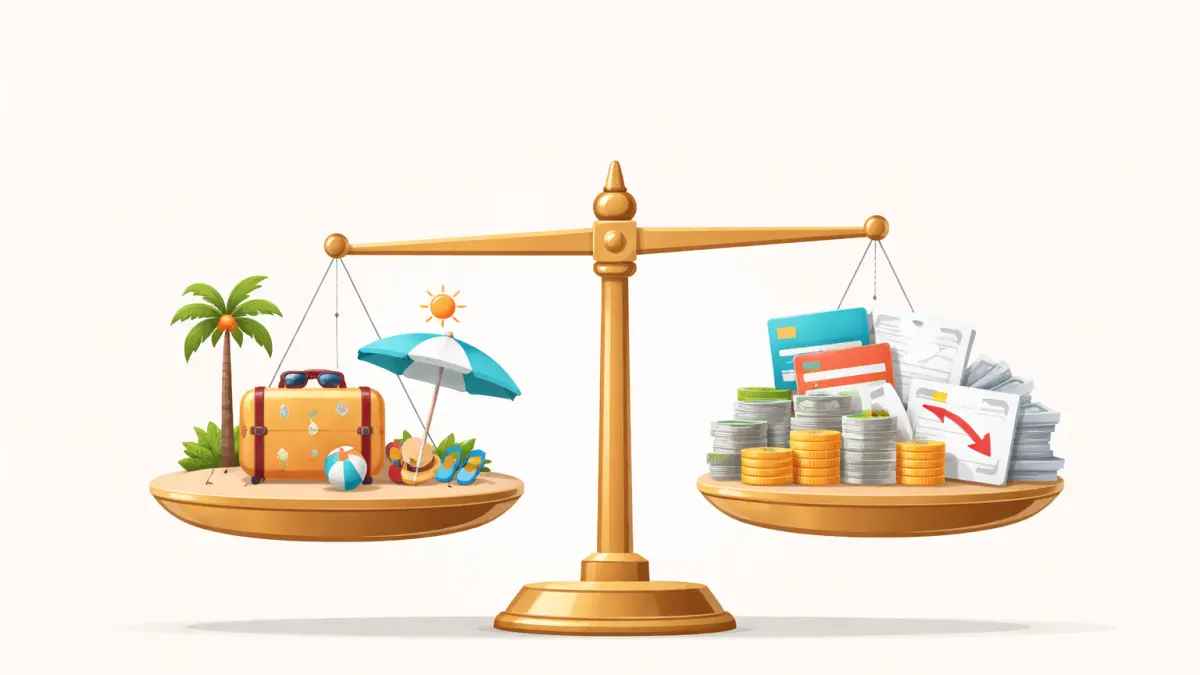
Recommendations for not getting into debt on vacation. Photo: Image generated with artificial intelligence-CHATGPT
TL;DR
- Failing to set a clear budget is a common mistake that leads to overspending on vacations.
- Many travelers resort to credit without fully understanding the consequences, leading to accumulating debt.
- Up to 60% of people spend more than planned due to unconsidered expenses and impulsive buying.
- Having a budget can help reduce spending by 15% to 25% and changes financial behavior.
- Debt for travel is acceptable only if there's a clear payment strategy, including understanding installments, interest rates, and repayment capacity.
- Perceiving credit card limits as additional income is a dangerous misconception.
- It's recommended not to finance the entire trip with debt; aim to have at least 50% to 60% saved beforehand.
- Monitoring expenses during the trip is essential to avoid surprises upon return.
- Responsible financial planning, including budgeting, saving, and wise credit use, ensures a vacation is enjoyable without becoming a financial burden.