Problemas en el flujo de recursos ponen en riesgo la producción nacional de medicamentos
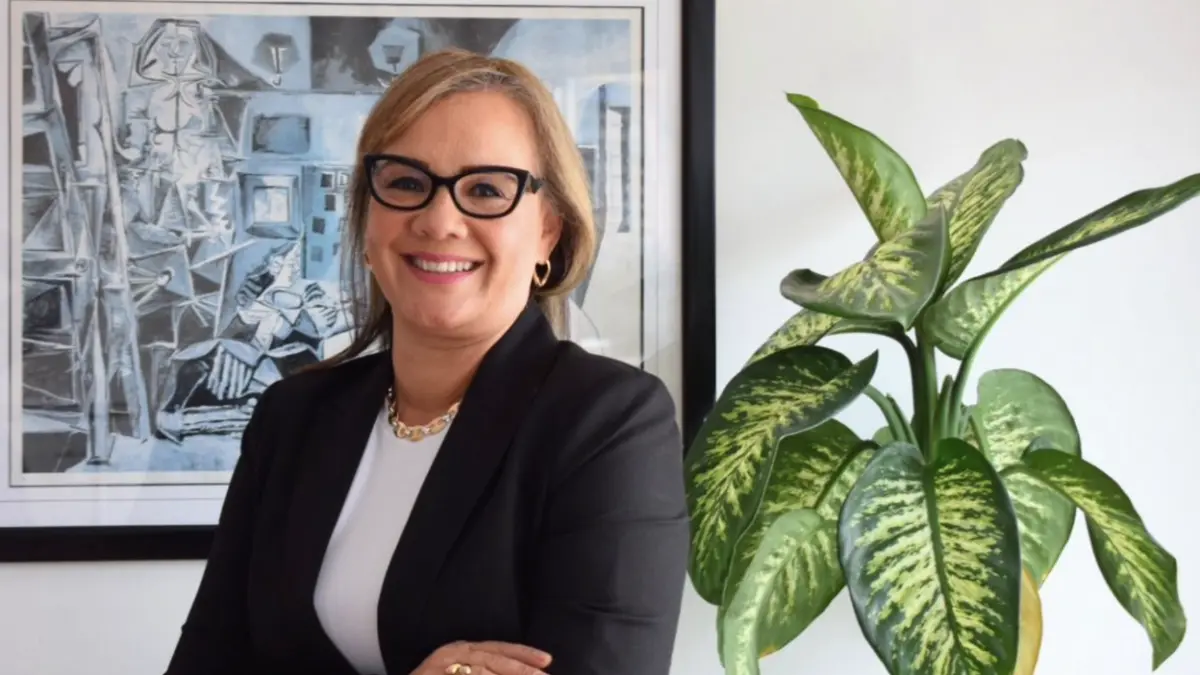
Clara Isabel Rodríguez, directora ejecutiva de la Asociación Colombiana de la Industria Farmacéutica (Ascif) Foto: Cortesía Ascif
TL;DR
- Rising labor costs, particularly due to minimum wage increases, are pressuring pharmaceutical companies.
- Increased regulatory demands and significant investments in infrastructure and technology, often financed by loans, add to production costs.
- The expansion of the Basic Health Plan (PBS) to include approximately 500 new medications strains the available financing from the Unit of Payment of Capacitation (UPC).
- Healthcare providers (EPS) are experiencing significant payment delays to pharmaceutical manufacturers, with outstanding portfolios reaching up to $5 trillion Colombian pesos.
- Patients are facing increased out-of-pocket expenses as they are sometimes unable to obtain medications through the healthcare system and must purchase them independently.
- There is a lack of government incentives for local drug production, and bureaucratic delays at regulatory bodies like Invima hinder the introduction of new products and foreign investment.