economy
Gasoline price hike pressures cargo companies to accelerate technology adoption to reduce fuel consumption
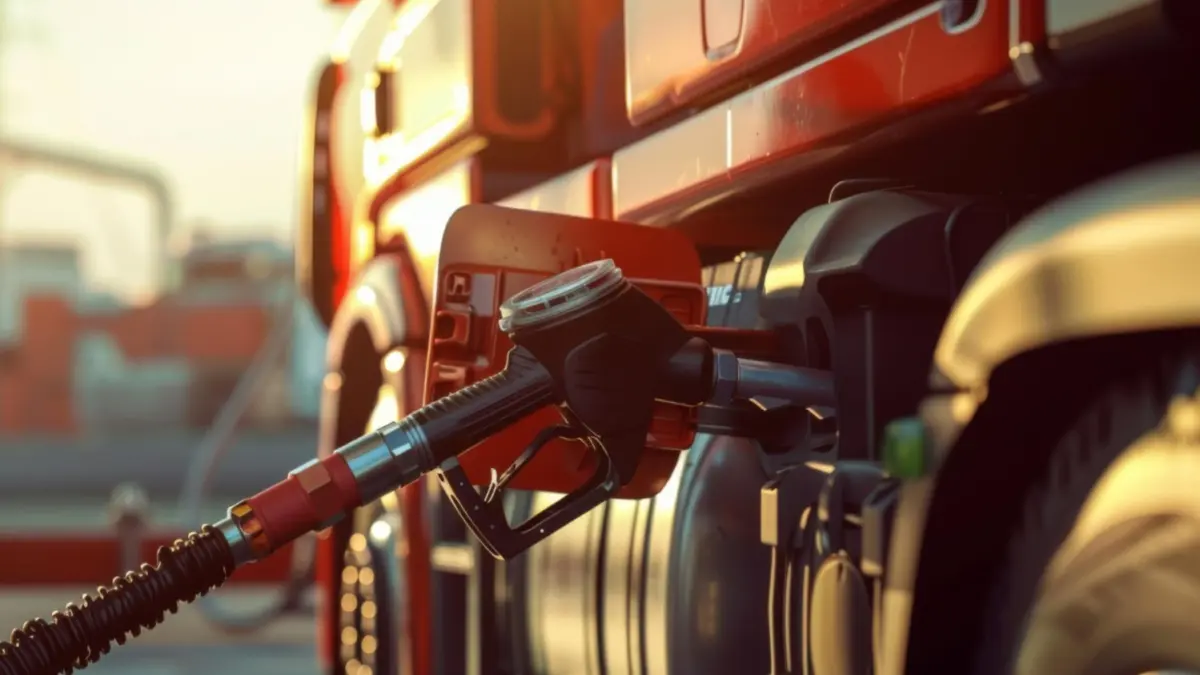
Colombian logistics adopts real-time control to contain fuel cost impact. Photo: Private archive
TL;DR
- Fuel prices in Colombia have increased by approximately 74% since 2022, with a gallon now exceeding $15,000 COP.
- This surge pressures operating margins, making fuel waste reduction a priority for cargo and logistics companies.
- Companies are implementing real-time sensors, idle monitoring, and AI cameras to decrease fuel consumption by over 10%.
- Fuel represents 35% to 45% of operating costs, directly impacting profitability.
- Key areas for control include driving habits, engine idling time, and fuel traceability.
- Real-time fuel sensors detect unauthorized extractions or leaks and validate refueling.
- Idle monitoring identifies prolonged engine running while stationary, which can waste up to 5 liters per hour.
- Driving habits can influence up to 40% of gasoline expenditure.
- AI cameras analyze driving behavior such as harsh acceleration, braking, speeding, and distractions.
- Technological solutions enable predictive fuel spending control and better operational decision-making.
- Efficiency is shifting from a secondary improvement to a financial necessity for these businesses.