Why Colombia Doesn't Let Go of Cash: Cultural and Economic Barriers Slow Down the Advance of Digital Payments
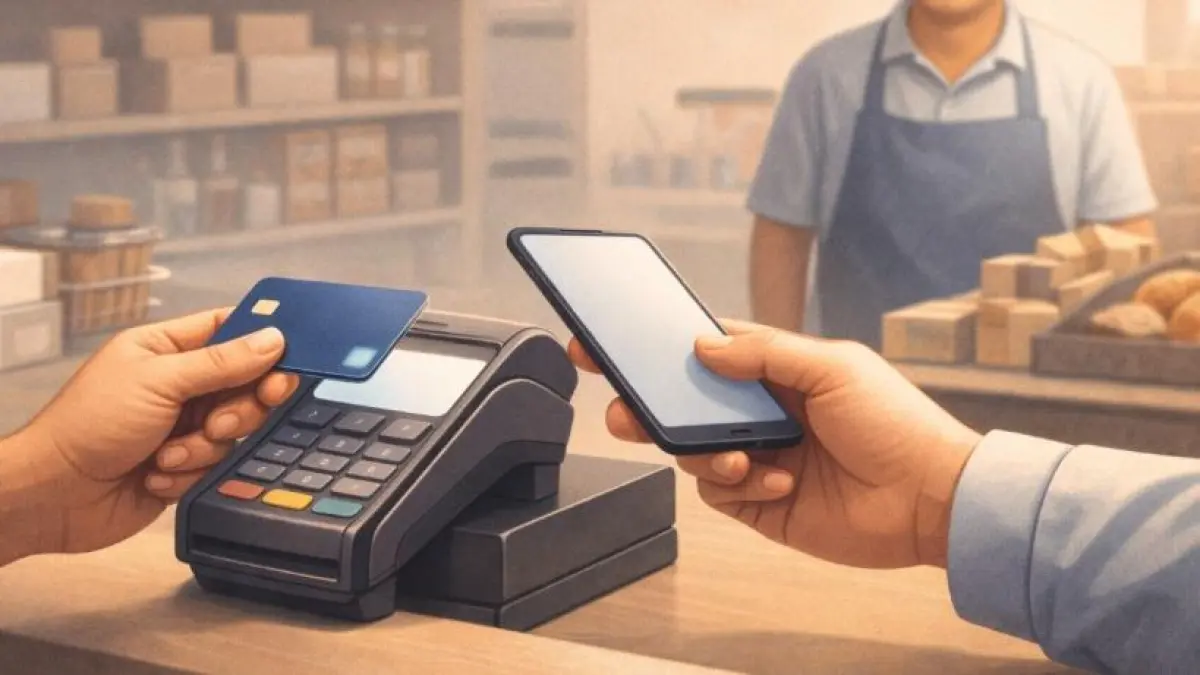
Colombia's digital payments industry showed good results in 2025. Photo: Image generated with Artificial Intelligence.
TL;DR
- 75.8% of transactions in Colombia were still in physical cash by 2025, indicating a slow transition to electronic payments.
- Small businesses and neighborhood stores show over 90% reliance on cash, highlighting uneven digital adoption.
- Key obstacles to digital payments are structural, including high labor informality, distrust in digital channels, and lack of connectivity in remote regions.
- High informality is a major driver, with many workers receiving income solely in cash, perpetuating cash-based business operations.
- Some digital wallet users treat platforms like Nequi as temporary channels to withdraw cash rather than fully integrating them into daily digital transactions.
- Technological barriers, such as lack of connectivity and high costs in rural departments, contribute to digital poverty and limit financial inclusion.
- Systems like Bre-B show significant adoption, processing over 617 million transactions totaling 97 trillion pesos.
- Experts emphasize that until local shopkeepers perceive digital payments as immediate and frictionless as cash, cash will remain dominant.
- Accelerating the transition requires a joint effort from public and private sectors, including reviewing incentives like the 4x1000 tax and strengthening financial education.
- Globally, cash use is projected to decrease by 2% annually until 2030, but Colombia's situation is deeply tied to its economic structure and user confidence, not just available technology.