¿Los departamentos son los principales beneficiados por la suspensión provisional de la emergencia económica?
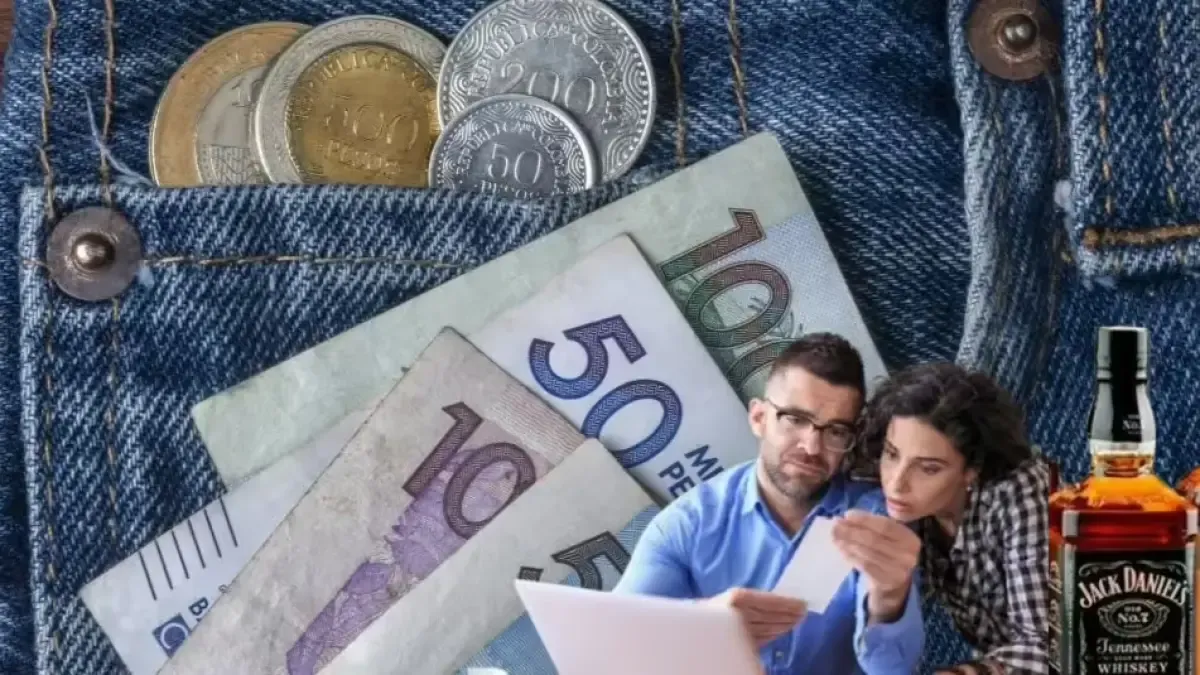
El decreto buscaba recaudar recursos adicionales para enfrentar el déficit presupuestal de 2026. Foto: Montaje a partir de Istock
TL;DR
- The Fiscal Observatory of Pontificia Universidad Javeriana analyzed proposed changes to alcohol and tobacco taxes through Decree 1474 of 2025.
- The decree aimed to increase revenue for the 2026 budget deficit by adjusting taxes like VAT, financial sector income tax, and specifically consumption taxes on alcohol and tobacco.
- Historically, taxes on alcohol and tobacco have been a permanent revenue source for departments and the Capital District since 1995, adjusted further by Law 1816 of 2016.
- The proposed decree would increase VAT on alcohol from 5% to 19%, but only the initial 5% would be transferred to departments, with the remainder going to the National General Budget.
- Specific taxes on tobacco per pack and per gram would also significantly increase.
- Despite the appearance of maintaining departmental percentages, the study predicts a drop in demand due to higher prices, leading to lower departmental revenue.
- Taxes on alcohol and tobacco constitute approximately 43% of departmental own revenues, funding essential services like health, education, and sports.
- A key concern is that shifting additional revenue collection to the National General Budget may reduce the incentive for departments to invest in fiscal administration and control, potentially leading to increased evasion and a smaller tax base.