Natural phenomena increasingly attract tourists, but at what personal and environmental cost?
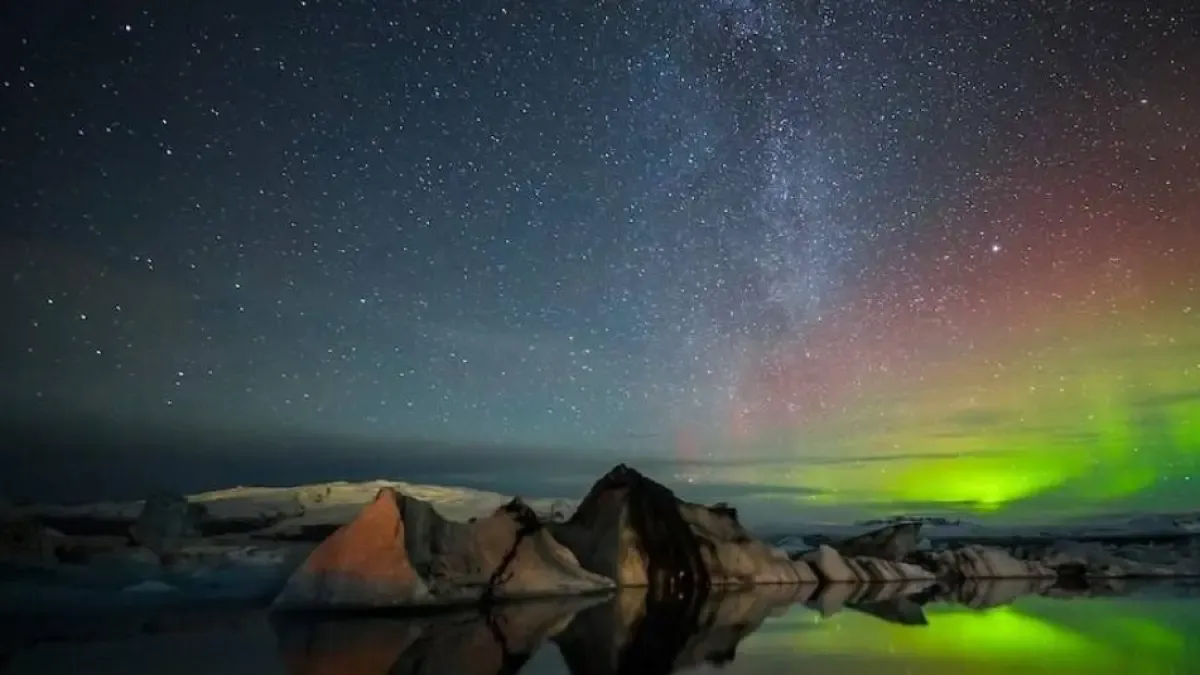
Volcanic eruptions, giant waves or auroras borealis, a trend that multiplies the pressure on ecosystems. Photo: EFE
TL;DR
- Tourism centered around natural phenomena like volcanic eruptions, giant waves, and auroras is a growing trend.
- This trend is driven by a desire for intense, memorable experiences and a shift from consuming goods to consuming experiences.
- Experts link this to neoliberalism, which shapes identity through consumption, including emotional and experiential consumption.
- These trips serve as a way to build personal identity and differentiate oneself in a homogenizing society.
- The typical traveler is between 30-55 years old, seeking immersion over mass tourism, with a higher than average budget.
- The trend poses risks to travelers, including potential accidents, and to the environment through noise, pollution, and habitat degradation.
- Proposed solutions include capacity limits, permits, stricter regulation of mobile phone and drone use, and promoting local, responsible tourism.
- Future growth of this tourism must be accompanied by greater guarantees and responsibility, focusing on longer, slower trips that support local communities and protect phenomena.